夜空を切り裂く「流れ星」の正体は、宇宙空間を漂う岩石が地球の大気に突入した際に放つ光です。その岩石が完全に燃え尽きず、地表まで到達したとき、それは隕石と呼ばれます。隕石は太陽系の形成過程や他の惑星の組成を解き明かす貴重な手がかりとなるため、科学的に極めて重要な価値を持っています。
宇宙から飛来した物体が大気圏に進入すると、激しい摩擦や圧力、ガスとの化学反応によって急激に加熱されます。このとき、眩い光を放つ火球(ファイヤーボール)となり、特に明るいものは「ボライド」と呼ばれます。地質学的な視点では、地表に巨大な衝突痕(インパクトクレーター)を残すほどの規模を持つものをボライドと定義します。

Key Facts
- 隕石の定義: 宇宙由来の岩石が惑星や衛星の表面に到達したもの。
- 主な起源: 多くの隕石はメインベルトにある少数の小惑星の分裂イベントに由来する。
- 分類: 主に「石質」「鉄」「石鉄」の3つのカテゴリーに分けられる。
- 最大級の例: ナミビアのホバ隕石は、完全な状態で残っている隕石として世界最大(約60トン)。
- 分布: 地球だけでなく、月や火星の表面でも隕石が確認されている。
隕石の分類と化学的組成
隕石はその構成成分や内部構造に基づいて、大きく3つのグループに分類されます。現代の分類法では、化学組成や同位体比、鉱物学的な特徴を用いてさらに詳細なグループ分けが行われています。
1. 石質隕石(Stony Meteorites)
主にケイ酸塩鉱物で構成されており、最も一般的なタイプです。原始的な太陽系の情報を保持しているものが多く、研究対象として重要です。
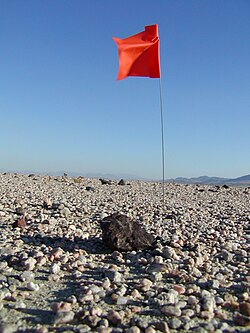
2. 鉄隕石(Iron Meteorites)
鉄とニッケルの合金(フェロニッケル)を主成分とする隕石です。かつての小惑星の核の部分であったと考えられています。
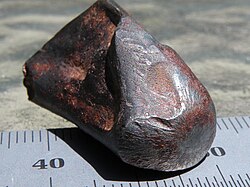
3. 石鉄隕石(Stony-Iron Meteorites)
金属成分と岩石成分の両方を大量に含んでいる稀なタイプです。
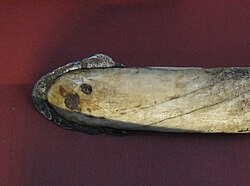
また、直径が約1mm未満の極小のものは「マイクロ隕石」と呼ばれます。これらは大気圏でほぼ完全に溶融し、急冷された液滴のような状態で地表に降り注ぎます。
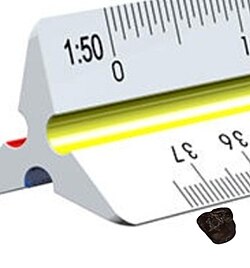
地球への到達と発見のプロセス
隕石が地表に届くまでの過程では、大気との摩擦による「アブレーション(溶融・蒸発)」が起こります。これにより、表面が削られたり、特有の溶融殻が形成されたりします。
![This small meteorite is from the NWA 869 strewn field, near Tindouf, Algeria. Currently classified as an L3.8-6 ordinary chondrite it shows brecciation and abundant chondrules.[78]](/images/45/39/4539ca95bc4dab307856ef232f3181d0f071fd9e54f084def05ea3de2d128594.jpg)
![The 60-tonne (66-short-ton; 130,000-pound), 2.7 m (8 ft 10 in) Hoba meteorite in Namibia is the largest known intact meteorite.[1]](/images/57/38/573875d11c0c2a3cbfb5e2e68e06263c906626de3d6d3c4f1ca9558ffccacfa7.jpg)
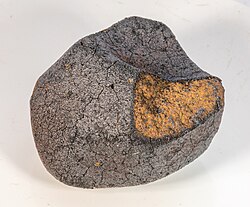
回収された隕石は、その発見経緯によって2種類に区別されます。落下中の目撃情報があり、直後に回収されたものは「隕石落下(Fall)」、目撃情報がなく後に発見されたものは「隕石発見(Find)」と呼ばれます。
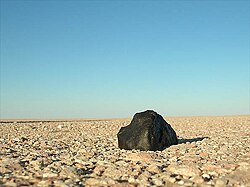
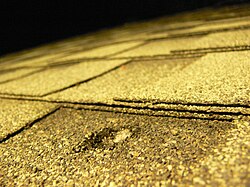
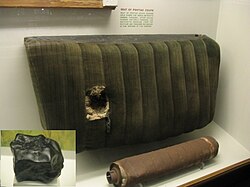
世界各地で隕石が発見されていますが、特に南極やサハラ砂漠などの地域は、隕石が見つかりやすい環境として知られています。また、稀に住宅の屋根や車などの所有物に直接衝突する事例も報告されています。
巨大衝突の痕跡:インパクトクレーター
非常に巨大な隕石が衝突すると、地表に巨大な窪みであるインパクトクレーターが形成されます。地球上には、数キロメートルから数百キロメートルに及ぶ多様な衝突構造が存在します。
| 名称 | 場所 | 直径(約) |
|---|---|---|
| ヴレデフォート構造 | 南アフリカ | 300 km |
| ウンガバ湾 | カナダ(ケベック州) | 260 × 320 km |
| チクシュルーブ | メキシコ(ユカタン半島) | 170 km |
| マニクガガン貯水池 | カナダ(ケベック州) | 100 km |
| チェサピーク湾 | アメリカ | 90 km |
| アクラマンクレーター | オーストラリア | 90 km |
一方で、ツングースカ出来事(1908年)やチェリャビンスク出来事(2013年)のように、地表に到達する前に大気圏で爆発・分解し、明確なクレーターを残さなかった事例もあります。
宇宙生命の謎と隕石
隕石の中には、生命の起源に関する重要なヒントが含まれていることがあります。例えば、南極で発見されたALH84001隕石では、電子顕微鏡によって細菌の化石に似た構造が発見され、大きな議論を呼びました。後に、同様の構造は熱水系などの非生物的なプロセスでも形成され得ることが判明しましたが、宇宙における生命探査の先駆けとなりました。
![A scanning electron microscope revealed structures resembling bacteria fossils – in the meteorite ALH84001 discovered in Antarctica in 1984. Microscopically, the features were initially interpreted as fossils of bacteria-like lifeforms. It has since been shown that similar magnetite structures can form without the presence of microbial life in hydrothermal systems.[70]](/images/f9/3f/f93fce9560728501410c31918f02035a64419cae82704f77e768e1d46dd78335.jpg)
Frequently Asked Questions
隕石と流星の違いは何ですか?
流星(流れ星)は、宇宙の塵や岩石が大気圏に進入して燃え、光を放っている「現象」のことです。その物体が燃え尽きずに地表まで到達し、岩石として残ったものが「隕石」です。
隕石はどこからやってくるのですか?
多くは火星と木星の間にあるメイン小惑星帯の小惑星に由来しています。少数の小惑星が衝突し、破片が地球方向へ弾き飛ばされたものが隕石となります。また、月や火星から飛来したものも存在します。
隕石の種類をどうやって見分けますか?
外見上の特徴(溶融殻の有無や重量感)に加え、化学分析や鉱物学的調査を行います。主にケイ酸塩が多いか(石質)、鉄・ニッケル合金が多いか(鉄質)、あるいはその両方が混在しているか(石鉄質)で分類されます。
地球に巨大な隕石が落ちる危険性はありますか?
歴史的に、チクシュルーブのような巨大衝突が地球環境に劇的な影響を与えたことが分かっています。そのため、現代では近地球物体(NEO)の監視が行われ、衝突の可能性を予測・分析する研究が進められています。
References
- (1999). Meteorites and their parent planets (2nd ed.). Cambridge: Cambridge University Press. . 39210190.
- "What Are Meteorites?". NASA Astromaterials Research & Exploration Science. Retrieved 26 May 2026.
- C. Wylie Poag (1 April 1998). "Introduction: What is a Bolide?". The Chesapeake Bay Bolide: Modern Consequences of an Ancient Cataclysm. USGS Report. US Geological Survey, Woods Hole Field Center. p. 70. :1998usgs.rept...70P. :10.3133/7000063. Archived from the original on 5 September 2011. Retrieved 16 September 2011.
- (1976). "A new type of chondritic meteorite found in lunar soil". Earth and Planetary Science Letters. 31 (2): 193–199. :1976E&PSL..31..193M. :10.1016/0012-821X(76)90211-9.
- Rubin, Alan E. (1997). "The Hadley Rille enstatite chondrite and its agglutinate-like rim: Impact melting during accretion to the Moon". Meteoritics & Planetary Science. 32 (1): 135–141. :1997M&PS...32..135R. :10.1111/j.1945-5100.1997.tb01248.x.
- "Opportunity Rover Finds an Iron Meteorite on Mars". JPL. 19 January 2005. Archived from the original on 15 November 2013. Retrieved 12 December 2006.
- New research shows most space rocks crashing into Earth come from a single source
- "Meteoritical Bulletin". Archived from the original on 22 August 2016. Retrieved 28 May 2014.
- Chapman, Clark R.; Durda, Daniel D.; Gold, Robert E. (2001). The Comet/Asteroid Impact Hazard: A Systems Approach (PDF) (Report). Johns Hopkins University Applied Physics Laboratory. Archived from the original (PDF) on 4 March 2016 – via International Space Consultants.
- Make your own impact at the University of Arizona Archived 5 May 2010 at the . Lpl.arizona.edu. Retrieved on 17 December 2011.
📸 フォトギャラリー