空を舞う鳥たちへの関心は、人類の歴史と共にありました。単なる観察や収集の対象であった鳥類研究は、時代を経て鳥類学(Ornithology)という専門的な科学分野へと進化を遂げました。かつての標本収集中心のスタイルから、現代の生態学的アプローチ、そしてゲノム解析に至るまで、この学問がどのように発展してきたのかを紐解きます。
古代から中世にかけて、鳥は芸術や宗教的な象徴として描かれることが多く、科学的な記録は断片的でした。例えば、古代エジプトの壁画には当時の鳥の姿が詳細に描かれており、後世の研究者に貴重な視覚的情報を与えています。

鳥類学の科学的基礎と分類の誕生
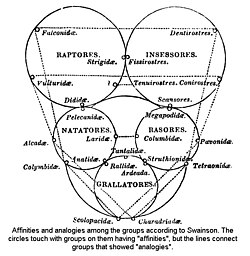
鳥類学が近代的な科学として形を成し始めたのは18世紀のことです。マーク・ケイツビーによる北米地域の自然史に関する著作は、精緻な図版を用いて多くの種を記録し、後の分類学に多大な影響を与えました。この流れを受け、カール・リンネが1758年に発表した『Systema Naturae』において、すべての種に属名と種小名を付与する二名法が導入され、鳥類の分類体系に革命が起きました。
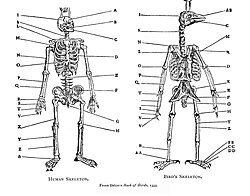
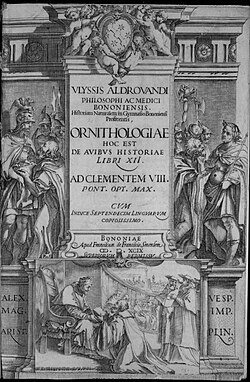
17世紀から18世紀にかけては、鳥の鳴き声と縄張りの関係に注目した研究者や、鳥類学の体系的な記述を試みた先駆者たちが現れ、知識の蓄積が進みました。
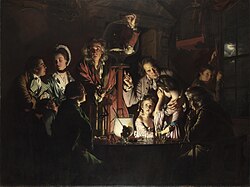
![Antonio Valli da Todi, who wrote on aviculture in 1601, knew the connections between territory and song.[34]](/images/cf/65/cf65bf2ce610eda58fe57691a07038df7b7f4a70131c73bb54ba895a919e5dd6.jpg)
博物学の黄金時代と収集文化
ヴィクトリア朝時代になると、自然史への関心が一般市民の間でも高まりました。この時期の鳥類学は、卵や皮膚(剥製)などの標本を収集する「コレクション」としての側面が強く、博物館を中心とした形態学的研究が主流となりました。
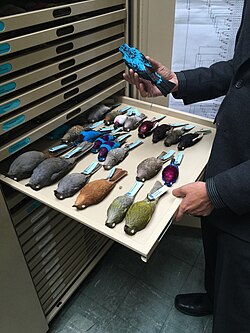
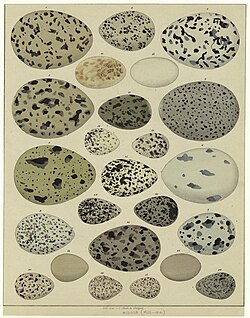
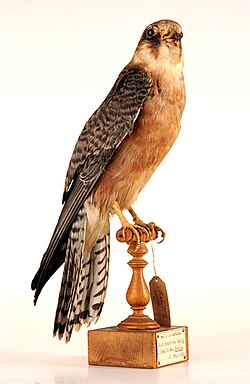
こうした収集活動は、種の同定や地理的分布を把握する上で重要な役割を果たしましたが、同時に「生きた鳥」の観察よりも「死んだ標本」の分析に偏る傾向がありました。
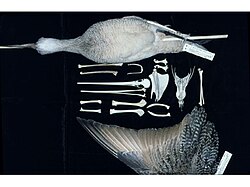
生態学への転換と研究手法の近代化
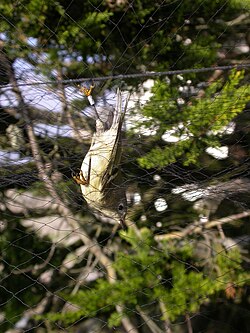
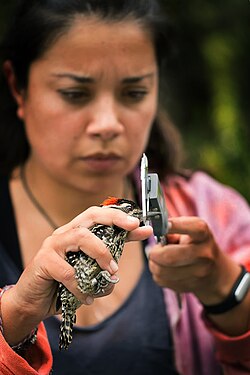
20世紀に入ると、研究の焦点は博物館からフィールド(野外)へと移り始めます。特にドイツでは1903年頃から鳥類標識調査(バンディング)が導入され、生息地での行動や生理学的な研究が進展しました。エルヴィン・ストレーゼマンなどの研究者が、野外調査と実験室での研究を統合させたことで、鳥類学は大学における学術的な地位を確立しました。
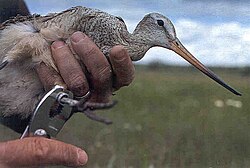
その後、アメリカではエルンスト・マイアがストレーゼマンの影響を受け、形態的な変異や地理的分布の研究に生態学的な視点を導入しました。また、デヴィッド・ラックによる個体群生態学の先駆的な研究は、定量的なアプローチを鳥類学にもたらしました。

現代の分析手法と技術
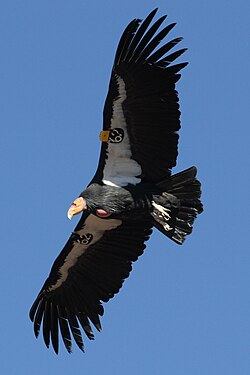
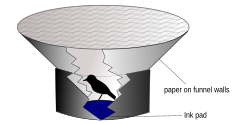
現代の鳥類学では、高度な計測技術やテクノロジーが活用されています。個体の識別には金属製のタグや翼タグが用いられ、個体群の動態を追跡しています。また、実験室ではエムレン・ファンネルなどの装置を用いて、渡り鳥の方向定位行動を詳細に分析することが可能です。
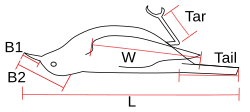
さらに、形態測定学(Morphometrics)による系統分類の精緻化や、DNAバーコーディングによる種の同定、ゲノム解析による進化プロセスの解明など、分子生物学的なアプローチが不可欠となっています。
市民科学の台頭と社会的応用
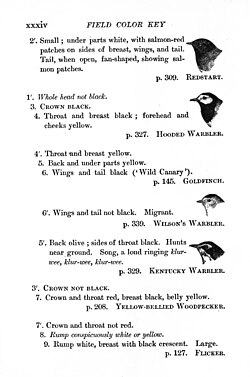
鳥類学の大きな特徴の一つは、専門家だけでなくアマチュアの観察者(バードウォッチャー)による貢献が極めて大きい点です。ジュリアン・ハクスリーが提唱したように、膨大な数の愛好家が提供するデータは、生物学の根本的な問題を解決するための貴重なリソースとなっています。
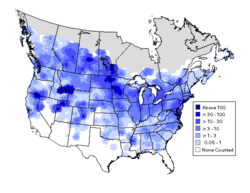
現在では、市民参加型の調査(シチズンサイエンス)を通じて、カナダガンの分布状況のような広域的なデータ収集が行われています。これらのデータは、生物多様性の指標としての鳥類の活用や、絶滅危惧種の保全計画に直接的に役立てられています。
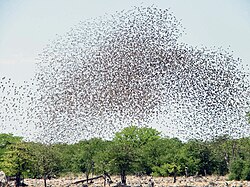
また、農業分野では、アフリカのコウライチョウのように農作物に甚大な被害を与える種の管理など、経済鳥類学的な視点からの研究も重要視されています。
Key Facts
- 分類の革命: カール・リンネによる二名法の導入が、現代の鳥類分類の基礎となった。
- 研究の移行: 19世紀の標本収集中心の博物学から、20世紀の生態学・生理学中心の科学へと進化した。
- 手法の多様化: 標識調査(バンディング)、形態測定、ゲノム解析、GPS追跡など多角的な手法が用いられている。
- 市民科学の重要性: アマチュア観察者のデータが、個体数調査や分布研究において不可欠な役割を果たしている。
- 実用的応用: 生物多様性のモニタリングや、農業害鳥の対策、絶滅危惧種の保護に活用されている。
| 時代 | 主な焦点 | 代表的な手法・特徴 |
|---|---|---|
| 18世紀 | 種の記述と分類 | 二名法の導入、自然史の記録 |
| 19世紀 | 形態学と収集 | 剥製・卵のコレクション、博物館研究 |
| 20世紀前半 | 生態学と行動学 | 野外観察、鳥類標識調査(バンディング) |
| 20世紀後半〜現代 | 分子生物学と保全 | DNA解析、ゲノム研究、シチズンサイエンス |
Frequently Asked Questions
鳥類学が「科学」として確立したのはいつ頃ですか?
18世紀に分類学的な基礎が築かれましたが、専門的な科学分野として確立したのはヴィクトリア朝時代以降です。その後、20世紀に入り生態学的なアプローチが導入されたことで、現代的な科学としての地位を固めました。
二名法とは具体的にどのような仕組みですか?
カール・リンネが導入した方法で、生物に「属名」と「種小名」の2つの単語を組み合わせて名前を付ける体系です。これにより、世界共通の基準で種を識別することが可能になりました。
アマチュアのバードウォッチャーは研究にどう貢献していますか?
広範囲にわたる種の分布データや、渡りの時期、個体数の変動などの観察記録を提供することで、専門家だけでは不可能な大規模なデータ収集(シチズンサイエンス)を支えています。
現代の鳥類研究でDNA解析はどのように使われていますか?
外見では判別が難しい近縁種の識別(DNAバーコーディング)や、種間の進化的なつながりを明らかにする系統樹の作成、個体群の遺伝的多様性の分析などに利用されています。
鳥類標識調査(バンディング)の目的は何ですか?
個体に識別タグを付けることで、その個体がどこから来てどこへ行くのかという移動経路の解明や、生存率、寿命などの個体群動態を正確に把握することを目的としています。
References
- Newton, Alfred; Lydekker, Richard; Roy, Charles S.; Shufeldt, Robert W. (1896). A dictionary of birds. London: A. and C. Black.
- Newton, Ian (1998). Population limitation in birds. Academic Press. p. 2. .
- Mayr, E. (1984). "Commentary: The Contributions of Ornithology to Biology". BioScience. 34 (4): 250–255. :10.2307/1309464. 1309464.
- Bibby, Colin J. (2003). "Fifty years of Bird Study: Capsule Field ornithology is alive and well, and in the future can contribute much more in Britain and elsewhere". Bird Study. 50 (3): 194–210. :10.1080/00063650309461314. 87377120.
- Sutherland, W. J., Newton, Ian and Green, Rhys (2004). Bird ecology and conservation: a handbook of techniques. Oxford University Press. .
{{}}: CS1 maint: multiple names: authors list () - Harper, Douglas. "ornithology". .
- Field, Daniel J.; Burton, M. Grace; Benito, Juan; Plateau, Olivia; Navalón, Guillermo (2025). "Whence the birds: 200 years of dinosaurs, avian antecedents". Biology Letters. 21 (1) 20240500. :10.1098/rsbl.2024.0500. 11750382. 39837495.
- Gurney, JH (1921). "Early annals of ornithology". Nature. 108 (2713): 268. :1921Natur.108..268.. :10.1038/108268a0. :2027/coo.31924090299532. 4033666.
- Anker, Jean (1979). Bird books and bird art. Springer-Science. pp. 1–5.
- Nadel, K. D., Ehud Weiss, Orit Simchoni, Alexander Tsatskin, Avinoam Danin, and Mordechai (2004). "Stone Agehut in Israel yields world's oldest evidence of bedding" (PDF). Proc. Natl. Acad. Sci. U.S.A. 101 (17): 6821–6826. :2004PNAS..101.6821N. :10.1073/pnas.0308557101. 404215. 15090648. Archived (PDF) from the original on 2022-10-09.
{{}}: CS1 maint: multiple names: authors list ()
📸 フォトギャラリー