クラヴィーア練習曲 III
コンテンツへジャンプ


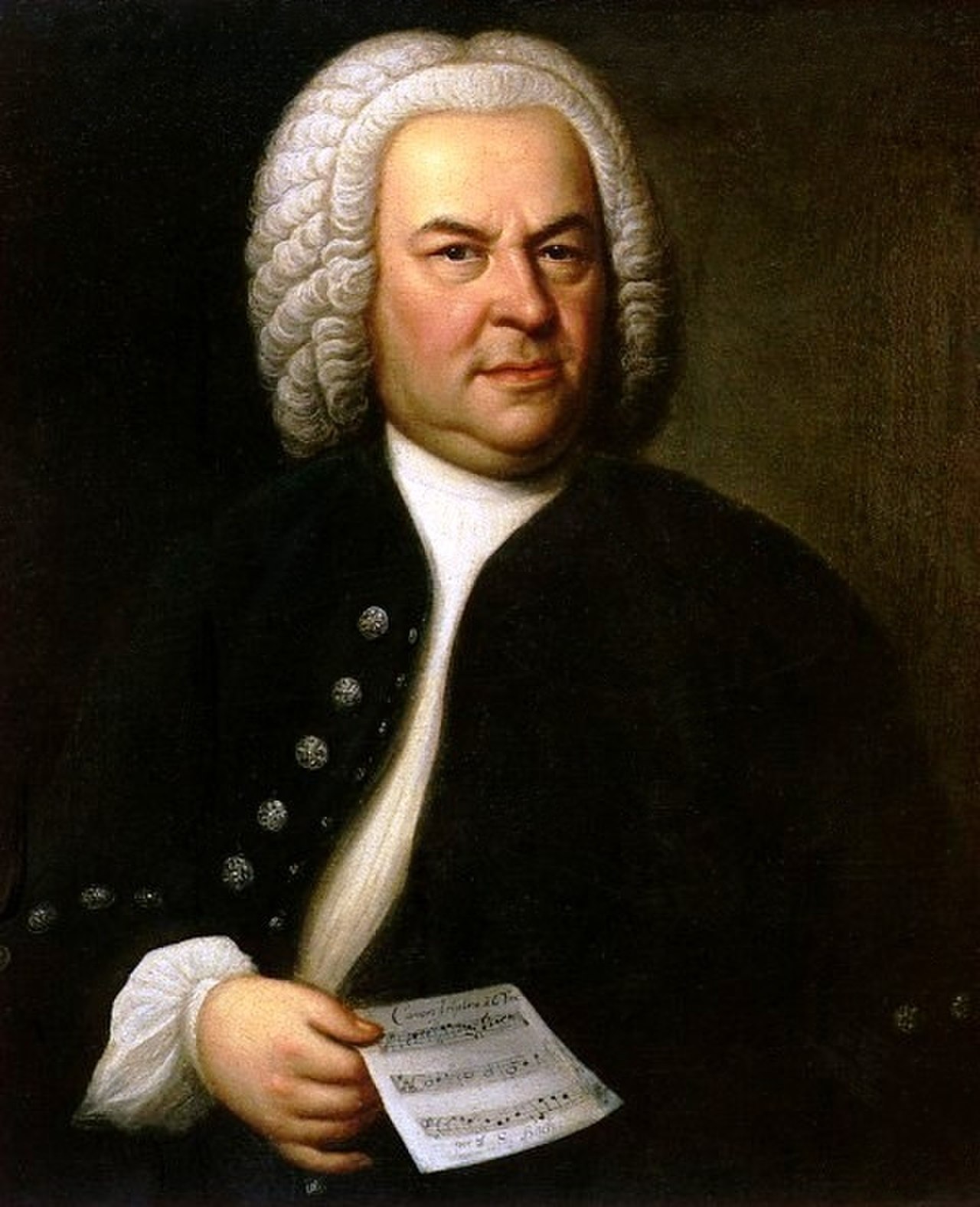
クラヴィーア練習曲第3番は、ドイツ・オルガン・ミサ曲とも呼ばれ、ヨハン・セバスチャン・バッハによるオルガン作品集で、1735年から1736年にかけて作曲が開始され、1739年に出版されました。バッハのオルガン作品の中で最も重要かつ大規模な作品とされており、オルガンのための最も音楽的に複雑で技術的に要求の厳しい作品がいくつか含まれています。
旋法、モテット様式、カノンの使用において、フレスコバルディ、パレストリーナ、ロッティ、カルダーラといった古代様式の巨匠たちの宗教音楽への回帰が見られます。同時に、バッハはフランス風コラールといった近代バロック音楽の形式を取り入れ、発展させるなど、先進的な姿勢を示していました。 [ 1 ]
この作品はオルガンミサの形式をとっており、冒頭楽章と終楽章(前奏曲と「聖アンナ」フーガ ♭ホ長調 BWV 552)の間には、ルター派ミサの2部と6つの教理問答コラールを題材とした21のコラール前奏曲(BWV 669–689)が収められており、その後に4つの二重唱(BWV 802–805)が続く。コラール前奏曲は、単鍵盤用のものから、ペダル2部を含む6部構成のフーガ前奏曲まで、多岐にわたる。
このコレクションの目的は4つあった。ライプツィヒでのバッハ自身のオルガン演奏会を出発点とした理想的なオルガンプログラム、教会や家庭での宗教的使用のためにルター派の教義を音楽用語に実際的に翻訳すること、古代と現代のあらゆるスタイルとイディオムのオルガン音楽の概要、そして適切に国際化されていること、そして従来の音楽理論の論文をはるかに超える、対位法作曲のあらゆる形式の例を示す教訓的な作品であることである。[ 2 ]
歴史と起源
[編集]_006.jpg/1280px-Canaletto_(I)_006.jpg)

1736年11月25日、ゴットフリート・ジルバーマンによって製作された新しいオルガンが、ドレスデンのフラウエン教会の中心的かつ象徴的な場所に奉献されました。翌週の12月1日の午後、バッハはそこで2時間にわたるオルガン・リサイタルを行い、「盛大な拍手」を浴びました。バッハはドレスデンの教会のオルガンを演奏することに慣れており、1733年から息子のヴィルヘルム・フリーデマン・バッハがゾフィー教会のオルガニストを務めていました。 12月のリサイタルで、バッハは未発表の『クラヴィーア練習曲集III』の一部を初めて演奏した可能性が高いと考えられています。グレゴリー・バトラーによる版画の年代測定によると、この曲の作曲は1735年には既に始まっていたようです。この推論は、表紙に「音楽愛好家、特に音楽通のために」書かれたという特別な記述、バッハが礼拝後に信者のためにオルガン・リサイタルを開いていたという当時の記録、そしてその後ドレスデンの音楽愛好家の間で、バッハの弟子ゴットフリート・アウグスト・ホミリウスが聖母教会で日曜午後に開催するオルガン・リサイタルに通うという伝統(プログラムは通常、コラール前奏曲とフーガで構成されていました)から導き出されました。バッハは後に、ジルバーマンのオルガンの調律は「今日の演奏」には適していないと不満を述べています。[ 3 ] [ 4 ] [ 5 ]
クラヴィーア演習IIIは、バッハのクラヴィーア演習全4巻のうちの3番目の巻です。オルガン用に編曲された唯一の部分であり、他の3部はチェンバロ用です。「鍵盤練習」を意味する題名は、ヨハン・クーナウ(ライプツィヒ、1689年、1692年)、ヨハン・フィリップ・クリーガー(ニュルンベルク、1698年)、フィンセント・リューベック(ハンブルク、1728年)、ゲオルク・アンドレアス・ゾルゲ(ニュルンベルク、1739年)、ヨハン・ジギスムント・ショルツェ(ライプツィヒ、1736年~1746年)といった、同様の題名の論文の長い伝統を意識したものでした。バッハは1735年に『クラヴィーア演習II』(イタリア協奏曲 BWV 971とフランス風序曲 BWV 831)を完成した後、作曲に着手した。準備の遅れから、バッハは2つのグループの版画家を用いた。ライプツィヒのヨハン・ゴットフリート・クルーグナー工房の3人の版画家が43ページ、ニュルンベルクのバルタザール・シュミットが35ページを担当した。最終的な78ページの原稿は、1739年ミカエル祭(9月下旬)にライプツィヒで出版され、価格は3ライヒスターラーと比較的高額だった。バッハのルター派のテーマは、当時すでにライプツィヒで宗教改革200周年記念の音楽祭が3回開催されていたことから、時代の流れに沿ったものであった。[ 6 ]

Dritter Theil der Clavier Übung bestehend in verschiedenen Vorspielen über die Catechismus- und andere Gesaenge, vor die Orgel: Denen Liebhabern, in besonders denen Kennern von dergleichen Arbeit, zur Gemüths Ergezung verfertiget von Johann Sebastian Bach, Koenigl。ポールニシェンとクールフュルシュトル。ザクス。ホフ作曲家、カペルマイスター、ライプツィヒのチョリ・ムジチ監督。 Verlegung des Authorisにて。
翻訳では、タイトルページには「鍵盤練習曲第3部。カテキズムとその他のオルガン賛美歌に関する様々な前奏曲から構成されています。音楽愛好家、特にこの種の作品の愛好家のために、魂の再生のために、ポーランド王立およびザクセン選帝侯宮廷作曲家、宮廷楽長、ライプツィヒ合唱団指揮者であるヨハン・セバスチャン・バッハによって編曲されました。著者発行」とあります。[ 7 ]
原稿を調査した結果、キリエ・グロリアと大教理問答のコラール前奏曲が最初に作曲され、続いて1738年に「聖アンナ」前奏曲とフーガ、マニュアライターのコラール前奏曲、そして最後に1739年に4つの二重唱が作曲されたことが示唆されている。BWV 676を除き、すべての素材は新たに作曲された。この作品の構成と出版は、おそらくゲオルク・フリードリヒ・カウフマンの『和声的情景』(1733年 - 1736年)、コンラート・フリードリヒ・フルレブッシュの『音楽作品』(1734年 - 1735年) 、ヒエロニムス・フロレンティヌス・クヴェル、ヨハン・ゴットフリート・ヴァルター、ヨハン・カスパール・フォーグラーによる1734年から1737年にかけて出版されたコラール前奏曲集、さらに古い『オルガン本』、ニコラ・ド・グリニー(1700年)、ピエール・デュマージュ(1707年)らの『フランス・オルガン・ミサ曲』などに影響を受けたものと思われる。[ 8 ] [ 9 ]バッハの標題紙の構成は、これらの初期の作品のいくつかに倣って、作品の特殊な形式を描写し、「鑑識眼」に訴えかけるものであり、『クラヴィーア演習II』の標題紙から唯一逸脱している。[ 10 ]
クラヴィーア演習第3番は単なる雑多な作品集ではないと認められているが、それが一つの作品群を形成するのか、それとも単に密接に関連した作品群なのかについては合意が得られていない。フランソワ・クープラン、ヨハン・カスパール・ケルル、ディートリヒ・ブクステフーデといった作曲家によるこの種の以前のオルガン作品と同様に、この曲も部分的には教会礼拝の音楽的要求に応えたものであった。バッハがイタリア音楽、フランス音楽、ドイツ音楽に言及していることから、クラヴィーア演習第3番は、ライプツィヒのトーマス教会におけるバッハの先任者の一人であるエリアス・アンマーバッハによる類似ではあるがはるかに古い作品集であるタブラトゥルブフの伝統に直接連なるものと位置付けられる。[ 11 ]


バッハの複雑な音楽様式は、同時代の人々から批判を受けていた。作曲家、オルガン奏者、音楽学者のヨハン・マッテゾンは『カノニシェ解剖学』(1722年)の中で次のように述べている。[ 12 ]
実のところ、そして私自身も経験したことですが、芸術作品(クンスト・シュテュッケ)[カノンなど]の急速な進歩は、分別のある作曲家を夢中にさせ、心からひそかに自身の作品を楽しむことを可能にします。しかし、この自己愛によって、私たちは知らず知らずのうちに音楽の真の目的から遠ざけられ、他人を喜ばせることを目指しているにもかかわらず、他人のことなどほとんど考えなくなります。本当は、私たちは自分の好みだけでなく、聴き手の好みにも従うべきです。私自身、取るに足らない作品に思えたものが、思いがけず大きな反響を得たことが何度もあります。このことを心に留め、同じ作品をもっと書きました。芸術性という点ではそれほど高く評価されていませんでしたが。
1731年までは、1725年にカンタータ『我らが至高の歌』BWV 21におけるバッハの朗誦的な作風を嘲笑したことは有名だが、それ以外は、マッテゾンのバッハに対する評論は肯定的なものだった。しかし1730年、ゴットフリート・ベンヤミン・ハンケが自身の鍵盤楽器の演奏技術について批判的なコメントをしているのを偶然耳にする。「バッハはマッテゾンを袋に入れてまた出すだろう」と。1731年以降、虚栄心が刺激されたマッテゾンの著作はバッハを批判するものとなり、彼はバッハを「芸術的バッハ」と呼んだ。同じ時期に、バッハのかつての弟子ヨハン・アドルフ・シャイベもバッハを痛烈に批判していた。1737年には、バッハは「作品に大げさで混乱した性格を与えることで、自然さを一切奪い、過剰な芸術性によってその美しさを覆い隠している」と書いている。[ 13 ]シャイベとマッテゾンはバッハに対して実質的に同じ攻撃を展開し、実際、マッテゾンはシャイベのバッハ批判運動に直接関与した。バッハは当時直接コメントしなかったが、ライプツィヒ大学修辞学教授で音楽愛好家であり、バッハとローレンツ・クリストフ・ミツラーの友人でもあったヨハン・アブラハム・バーンバウムが、バッハからのさりげない働きかけで、彼の主張を論じた。1738年3月、シャイベはバッハの「決して小さくない誤り」を理由に、さらなる攻撃を開始した。


この偉大な人物は、学識ある作曲家に求められる科学と人文科学を十分に学んでいない。哲学を学ばず、自然と理性の力を探究し認識することができない人物が、どうして音楽作品において欠点のない人間でいられるだろうか?批評的な観察や調査、そして修辞学や詩と同様に音楽にも不可欠な規則にほとんど気を配ることなく、どうして優れた趣味を培うために必要なあらゆる利点を得られるだろうか。それらなしには、感動的で表現力豊かな作曲は不可能である。
マッテゾンは1738年、近刊の論文『民衆の楽長(Der follkommene Capellmeister )』(1739年)の広告に、バーンバウムとのやり取りから生まれたシャイベの手紙を添付した。その中でシャイベは、バッハの「巧妙な」対位法よりも、マッテゾンの「自然な」旋律を強く好むと述べている。バッハは友人のミツラーや、同じくマッテゾンの印刷業者であったライプツィヒの印刷業者、クリュグナーとブライトコップフを通じて、他の印刷業者と同様に、マッテゾンの論文の内容を事前に知っていたと思われる。対位法について、マッテゾンは次のように記している。
三つの主題を持つ二重フーガについては、私の知る限り、私自身の作品『ヴォルクリンゲンの指笛、パートIとII』以外に出版されているものはありません。これは謙虚さゆえに誰にもお勧めできません。むしろ、フーガの巨匠として知られるライプツィヒの著名なバッハ氏による同様の作品が出版されることを強く望みます。しかしながら、この出版の少なさは、一方では確かな学識を持つ対位法奏者の衰退と弱体化を、他方では今日の無知なオルガン奏者や作曲家がこうした有益な事柄に関心を示さないことを、如実に示しています。
バッハ自身の反応がどうであれ、対位法を用いた『クラヴィーア演習III』は、シャイベの批判とマッテゾンのオルガン奏者への呼びかけに対する音楽的な応答となった。前述のミツラーは、『クラヴィーア演習III』の特質が「宮廷作曲家の音楽を批判しようとする者たちを力強く反駁する」ものであったと述べているが、これは彼らの批判に対する言葉による応答であった。しかしながら、ほとんどの評論家は、バッハの記念碑的作品の主なインスピレーションは音楽、すなわちジローラモ・フレスコバルディの『音楽の夕べ』のような音楽作品であったことに同意している。バッハは1714年にワイマールで個人所有の『音楽の夕べ』を入手するなど、この曲に特別な愛着を持っていた。 [ 8 ] [ 14 ] [ 15 ]
テキストと音楽の計画
[編集]| BWV | タイトル | 典礼上の意義 | 形状 | 鍵 |
|---|---|---|---|---|
| 552/1 | プレリュード | プロオルガノプレノ | E ♭ | |
| 669 | キリエ、ゴット・ファーター | キリエ | ソプラノのカントゥス・フィルムス | G |
| 670 | Christe, aller Welt Trost | キリエ | テナーのcf | C(またはG) |
| 671 | Kyrie, Godt heiliger Geist | キリエ | ペダルのcf (プレノ) | G |
| 672 | キリエ、ゴット・ファーター | キリエ | 3 4 マニュアルライター | E |
| 673 | Christe, aller Welt Trost | キリエ | 6 4 マニュアルライター | E |
| 674 | Kyrie, Godt heiliger Geist | キリエ | 9 8 マニュアルライター | E |
| 675 | Allein Gott in der Höh' | グロリア | トリオ、マニュアライター | F |
| 676 | Allein Gott in der Höh' | グロリア | トリオ、ペダリター | G |
| 677 | Allein Gott in der Höh' | グロリア | トリオ、マニュアライター | あ |
| 678 | Dies sind die heil'gen zehn Gebot' | 十戒 | 正典のcf | G |
| 679 | Dies sind die heil'gen zehn Gebot' | 十戒 | フーガ、マニュアライター | G |
| 680 | Wir glauben all an einen Gott | 信条 | à 4、in organo pleno | D |
| 681 | Wir glauben all an einen Gott | 信条 | フーガ、マニュアライター | E |
| 682 | Vater unser im Himmelreich | 主の祈り | カノンのトリオとCF | E |
| 683 | Vater unser im Himmelreich | 主の祈り | 非フーガル、マニュアルライター | D |
| 684 | キリスト アンサー ヘル ズム ヨルダン カム | 洗礼 | à 4、ペダルのcf | C |
| 685 | キリスト アンサー ヘル ズム ヨルダン カム | 洗礼 | fuga inversa、manualiter | D |
| 686 | Aus tiefer Noth schrei ich zu dir | 告白 | à 6, in pleno organo | E |
| 687 | Aus tiefer Noth schrei ich zu dir | 告白 | モテット、マニュアライター | F # |
| 688 | イエス・キリスト、我らが祖国 | 聖体拝領 | トリオ、ペダルのcf | D |
| 689 | イエス・キリスト、我らが祖国 | 聖体拝領 | フーガ、マニュアライター | F |
| 802 | デュエット I | 3 8、マイナー | E | |
| 803 | デュエットII | 2 4、 選考科目 | F | |
| 804 | デュエットIII | 12 8、 選考科目 | G | |
| 805 | デュエットIV | 2 2、マイナー | あ | |
| 552/2 | フーガ | 5 voci per organo pleno | E ♭ |

クラヴィーア演習第3番のコラール前奏曲の数は21で、フランス式オルガンミサの楽章数と一致する。ミサ曲と教理問答の設定は、ライプツィヒの日曜礼拝のスケジュール、すなわち午前のミサと午後の教理問答に対応している。同時代の賛美歌集では、ドイツ語のキリエとドイツ語のグロリアで構成されるルター派のミサは、聖三位一体の項目に分類されていた。オルガン奏者で音楽理論家のヤコブ・アドルングは、 1758年に、教会のオルガン奏者が日曜賛美歌の2曲「万物の神に栄光あれ」と「われらはすべての神に栄光あれ」を異なる調で演奏する習慣を記録している。バッハは「万物の神に栄光あれ」で言及されているEとB ♭の間の6つの調性のうち3つを使用している。信仰に関する一連の問答である教理問答において、オルガンは役割を果たさなかったため、これらの賛美歌の存在はバッハの個人的な信仰告白であったと考えられます。しかしながら、ルターの小教理問答(図参照)は、十戒、信条、主の祈り、洗礼、鍵の礼拝と告解、そして聖体拝領を中心としており、これらはルター自身の6つの教理問答コラールの主題と全く同じです。バッハの居住地であったドイツでは、これらの教理問答コラールは平日の学校集会で歌われ、日曜日にはキリエとグロリアが歌われました。ルターの賛美歌集には、6つのコラール全てが収録されています。しかし、バッハがこれらの賛美歌(グレゴリオ聖歌由来のものも含む)を用いたのは、ライプツィヒのトーマス教会で1539年に行われたルターの説教から200年を記念する特別な年であったため、ルター派の主要な教えへの賛辞としてであった可能性が高い。ルター派にとって主要なテキストは聖書、賛美歌集、そしてカテキズムであった。バッハは既にカンタータや受難曲に数多くの聖書テキストを用いており、1736年にはゲオルク・クリスティアン・シェメリと共に賛美歌集の編纂に携わっていた。そして1739年には、カテキズムの賛美歌(前述の表紙の挿絵を参照)をオルガン・コラール・プレリュードとして作曲した。[ 16 ]

ウィリアムズ (1980)は、クラヴィーア演習 III がフレスコバルディの「音楽の夜」から借用した以下の特徴を示唆しています。バッハの個人コピーには「JS Bach 1714」と署名されています。
- 意図。フィオーリは「ミサと晩祷に対応する」楽曲を「主にオルガン奏者に提供するために」作曲されました。
- 計画。フィオーリの3つのセットの最初のものは、ミサ前のトッカータ(前奏曲)、2つのキリエ、5つのクリステ、さらに6つのキリエ、そしてカンツォーネ(使徒書の後)、リチェルカーレ(信条の後)、トッカータ・クロマティカ(聖体拝領の後)、そして最後にカンツォーナ(フーガ)(聖体拝領後)で構成されています。
- ポリフォニー。フレスコバルディの短い「キリエ」と「クリステ」は、四声の対位法(スティレ・アンティコ)で書かれています。多くの作品には、常に流れるカントゥス・フィルムス(ペダル・ポイント)があります。
- 構造:フーガBWV 552/2における主題の変化と組み合わせは、フィオーリの第1セットの終結カンツォーナと第2セットの代替リチェルカーレと密接に対応している。同様に、フーガBWV 680のオスティナート・ベースは、フィオーリにおける5音のオスティナート・ベースを伴うリチェルカーレ・フーガによって予兆されている。
ウィリアムズ(2003)によると、バッハはオルガン曲集に明確な典礼上の目的を持っており、その循環的な順序と計画は、耳にはわからなくても目には明らかだった。マニュライターのフーガは当時、平均律クラヴィーア曲集の第2巻として書かれたが、最後のフーガBWV 689だけが共通している。バッハの音楽計画には、オルガンのプレナム小品、ミサ曲におけるポリフォニー、マニュライター、トリオソナタの3つのスタイル、カノンのカントゥス・フィルムスを含む2曲、ペダルのカントゥス・フィルムスを含む2曲、オルガン全曲のための2曲)、そして二重唱における自由なインヴェンションなど、多様な構造がある。クラヴィーア演習IIIの中央にあるフーゲッタBWV 681は、バッハのクラヴィーア演習の他の3つの部分の中心となる小品と同様の構造的役割を果たし、コレクションの後半の始まりを示しています。このフーゲッタは、バッハの鍵盤楽器パルティータBWV 828(クラヴィーア演習I )の第4番の第1楽章、フランス風序曲BWV 831(クラヴィーア演習II)の第1楽章、ゴルトベルク変奏曲BWV 988(クラヴィーア演習IV )の第16変奏(「Ouverture. a 1 Clav」と記されている)、およびP200に収蔵されているフーガの芸術の原稿版のコントラプンクトゥスVIIなどのフランス風序曲の音楽モチーフを用いて書かれています。
おそらく礼拝での使用を意図していたと思われるが、クラヴィーア演習第3番は、バッハの後期の作品(カノン変奏曲BWV 769、音楽の捧げ物BWV 1079、フーガの技法BWV 1080)と同様に、技術的な難度が高いため、ほとんどのルター派教会のオルガン奏者には難しすぎたであろう。実際、バッハの同時代人の多くは、幅広いオルガン奏者に演奏しやすいように意図的に音楽を作曲した。ゾルゲは1750年の『フォアシュピール』でシンプルな3声のコラールを作曲したが、これはバッハのようなコラール前奏曲は「あまりにも難しく、演奏者にはほとんど手に負えない」ためであった。ヴァイマル出身のバッハの教え子であるフォーゲルは、コラールを「主に田舎の」教会で演奏しなければならない人々のために作曲した。もう一人のワイマール大学の学生、ヨハン・ルートヴィヒ・クレプスは、ピアノ練習曲第2番(1737年)を「女性でも問題なく演奏できる」ように作曲した。[ 17 ]
クラヴィーア演習IIIは、特に冒頭のプレリュード(BWV 552/1)において、ドイツ、イタリア、フランスの様式が融合しており、3つの主題群はそれぞれフランス、イタリア、ドイツを象徴するように意図的に選ばれているように見える(BWV 552/1に関する以下の議論を参照)。これは、17世紀後半から18世紀初頭にかけてのドイツにおいて、作曲家や音楽家が「混合趣味」として知られる様式で作曲・演奏していた傾向を反映している。この用語はクヴァンツによって作られた。[ 18 ] 1730年、バッハはライプツィヒ市議会に宛てた、今では有名な手紙「充実した教会音楽のための簡潔だが最も必要な草稿」の中で、演奏環境だけでなく、様々な国の演奏様式を採用するよう圧力をかけられていることについても不満を述べている。
いずれにしても、ドイツの音楽家が、イタリア、フランス、イギリス、ポーランドのいずれの音楽であっても、即座に即興で演奏できる能力が求められているというのは、いくぶん奇妙なことである。
ゲオルク・ムッファトは1695年にすでに、自身の作品『フロリレギウム・プリムムム』の献辞の中で、「私は単一の様式や手法を用いるのではなく、むしろ様々な国での経験を通してできる限り巧みに様式を混ぜ合わせようとしている。…フランス風の作風をドイツ風やイタリア風の作風と混ぜ合わせることで、私は戦争を始めるのではなく、すべての人々が切望する統一と悲願の平和への序曲となるかもしれない」と記していた。この傾向は、バッハの批評家マッテゾンやシャイベなど、当時の評論家や音楽学者によって奨励された。彼らはバッハと同時代のゲオルク・フィリップ・テレマンの室内楽を賞賛し、「ドイツのパート譜、イタリアのガランテリー、そしてフランスの情熱が融合するのが最善である」と記した。


バッハが1700年から1702年にかけてリューネブルクのミヒャエル学校に通っていた頃を回想して、息子のカール・フィリップ・エマヌエルは1754年のバッハの死亡記事「ネクロログ」に次のように記している。
そこから、ツェレ公爵が維持し、主にフランス人で構成されていた当時有名なオーケストラを頻繁に聴くことにより、彼は、その地域や当時では全く新しいフランス様式を身につける機会を得た。
ブラウンシュヴァイク=リューネブルク公爵ゲオルク・ヴィルヘルムの宮廷オーケストラは1666年に設立され、 1680年から1710年にかけてドイツで人気を博したジャン=バティスト・リュリの音楽に集中していた。バッハはリューネブルク近郊のダンネンベルクにある公爵の夏の離宮でこのオーケストラを聴いた可能性が高い。リューネブルクでは、バッハはヨハニ教会のオルガニスト、ゲオルク・ベームや、1701年にここを訪れたヨハン・フィッシャーの作品も聴いたであろう。どちらもフランス風の影響を受けていた。[ 19 ]後にCPEのネクロログでバッハは「オルガンの芸術においては、ブルーンス、ブクステフーデ、そして数人の優れたフランス人オルガニストの作品を手本とした」とも記している。 1775年、彼はバッハの伝記作家ヨハン・ニコラウス・フォルケルにこのことを詳しく伝え、バッハの父はブクステフーデ、ベーム、ニコラウス・ブルンス、フィッシャー、フレスコバルディ、フロベルガー、ケルル、パッヘルベル、ラインケン、シュトルンクの作品だけでなく、「何人かの古くて優れたフランス人」の作品も研究していたと述べている[ 20 ] 。
同時代の文献によれば、これらの作曲家にはボイヴァン、ニヴェール、レゾン、ダングルベール、コレット、ルベーグ、ル・ルー、ディユパール、フランソワ・クープラン、ニコラ・ド・グリニー、マルシャンが含まれていたと思われる。(後者は、フォルケルの逸話によると、1717年にバッハとの鍵盤楽器の「決闘」を避けるためにドレスデンから逃亡した。)[ 19 ] 1713年、ワイマール宮廷では、熱心な音楽家であったヨハン・エルンスト公子がヨーロッパ旅行からイタリアとフランスの音楽を持ち帰ったと伝えられている。バッハは同時期、あるいはそれ以前に、グリニーの『オルガン集』 (1699年)全曲と、ダングルベールの『クラヴサン小品集』 (1689年)の装飾音表を精巧に模写し、弟子のフォーグラーはボイヴァンの『オルガン集』 2冊を模写した。さらに、ワイマールでは、バッハは従兄弟のヨハン・ゴットフリート・ヴァルターの膨大なフランス音楽コレクションにも触れることができたと思われる。ずっと後、1738年、『クラヴィーア演習III』が準備されていた頃、バーンバウムとシャイベの間でバッハの作曲様式について意見交換が行われた際、バーンバウムは装飾音に関連してグリニーとデュマージュの作品を持ち出した。これはおそらくバッハの示唆によるものであろう。冒頭の前奏曲BWV 552/1と中央のマニュアル式コラール前奏曲BWV 681に見られる「フランス風序曲」様式の要素を除けば、2つの大規模な5声コラール前奏曲、すなわち「神の御前には必ず」 BWV 678と「天地万物よ、主よ」 BWV 682は、各マニュアルに2つのパート、ペダルに5番目のパートを持つグリニーの5声のテクスチャに部分的に影響を受けていると評論家らは一致している。[ 21 ] [ 22 ] [ 23 ] [ 24 ] [ 25 ]
評論家たちは、クラヴィーア演習第3番はバッハのオルガン曲の技法の集大成であると同時に、個人的な宗教的声明でもあるとしている。他の後期の作品と同様、バッハの音楽言語は、旋法であれ慣習的であれ、この世のものとは思えない性質を持っている。トリオ・ソナタBWV 674や677のように、一見長調で書かれている作品でも、調が曖昧な場合がある。バッハは、フーガ、カノン、パラフレーズ、カントゥス・フィルムス、リトルネッロ、モチーフの展開、さまざまな対位法など、知られているすべての音楽形式で作曲した。 [ 17 ]ポリフォニックなアンティコ様式の作品が5曲あり(BWV 669–671、686、および552/iiの最初の部分)、パレストリーナとその弟子であるフックス、カルダーラ、ゼレンカの影響を示している。しかしながら、バッハは、たとえアンティコ・スタイルの長い音価を採用したとしても、例えばBWV 671のように、元のモデルを超えています。[ 17 ]
ウィリアムズ(2007)は、クラヴィーア演習IIIの目的の一つとして、オルガン演奏会のための理想的なプログラムを提供することを挙げている。このような演奏会については、後にバッハの伝記作家ヨハン・ニコラウス・フォルケルが次のように述べている。[ 26 ]
ヨハン・セバスチャン・バッハは、しばしば礼拝の依頼を受けていたが、礼拝がない時はオルガンの前に座っていた。彼はある主題を選び、あらゆるオルガン曲の形式で演奏した。そのため、たとえ2時間以上も休憩なしで演奏したとしても、その主題は常に彼の素材であり続けた。まず彼はこの主題を用いて、フルオルガンによる前奏曲とフーガを演奏した。次に彼は、常に同じ主題で、三重奏、四重奏などのストップを用いて、その技巧を披露した。その後に続くコラールでは、その旋律は三部または四部で、元の主題に非常に多様な形で遊び心をもって取り囲まれていた。最後はフルオルガンによるフーガで締めくくられた。フーガでは、最初の主題のみが主役となるか、あるいは主題の性質に応じて、他の1つまたは2つの主題が混ざり合っていた。
『クラヴィーア演習 III』の音楽計画は、コラール前奏曲と室内楽風の作品のコレクションと、オルガン・プレナムのための自由前奏曲とフーガで囲まれたこのパターンに従っています。
数秘術的な意味
[編集]
ヴォルフ(1991)は『クラヴィーア演習III』の番号論的分析を行っている。ヴォルフによれば、循環的な順序が存在する。冒頭の前奏曲とフーガは、3つの楽曲群を形作っている。ルター派ミサのキリエとグロリアに基づく9つのコラール前奏曲、ルター派のカテキズムに基づく6組のコラール前奏曲、そして4つの二重唱である。各群は独自の内部構造を持つ。最初の群は3つの3つの群で構成されている。キリエにおける最初の3つのコラールは、アンティコ様式で演奏され、次第に複雑なテクスチャを伴い、パレストリーナのポリフォニックミサを彷彿とさせる。次の群は、キリエにおける3つの短い詩節で構成され、拍子記号は進行する。6
8、9
8、 そして12
8ドイツのグロリアによる3つのトリオ・ソナタの第3グループでは、2つのマニュアル式設定が2つの鍵盤とペダルのためのトリオを構成し、ヘ長調、ト長調、イ長調の規則的な調の進行をしています。各カテキズム・コラールのペアには2つの鍵盤とペダルの設定があり、その後に小規模なマニュアル式フーガ・コラールが続きます。12のカテキズム・コラールのグループはさらに、6つずつの2つのグループに分けられ、それぞれが重要なグランド・プレナム・オルガン設定(Wir glaubenとAuf tiefer Noth)に基づいてグループ化されています。二重奏曲は、ホ短調、ヘ長調、ト長調、イ短調の連続的な調の進行によって関連しています。このように、クラヴィーア演習IIIは、多くの異なる構造、すなわち重要なパターン、類似または対照的なペア、および次第に増大する対称性を組み合わせています。また、支配的な数秘術的な象徴もあります。 9つのミサ曲(3×3)は、ミサにおける三位一体の3つ、特に対応するテキストにおける父、子、聖霊への言及を示唆している。教理問答コラールの12という数字は、教会で弟子の数である12という数字が一般的に用いられていることを示していると考えられる。作品全体は27の小品(3×3×3)で構成され、このパターンが完成している。しかしながら、このような構成にもかかわらず、この作品が全体として演奏されることを意図していた可能性は低い。この作品は、教会で演奏するためのオルガン奏者のための資料として、またデュエットは聖餐式の伴奏として意図されていたと考えられる。[ 27 ]
ウィリアムズ (2003) は、様々な音楽学者が指摘したクラヴィーア演習第3番における黄金比の出現について論評している。前奏曲 (205) とフーガ (117) の小節区分がその一例である。フーガ自体では、3つのパートはそれぞれ36、45、36小節であるため、中間部と外側のセクションの長さの間に黄金比が現れる。中間部の中点は極めて重要で、そこで初めて第1主題と第2主題の変形版が現れる。最後に、BWV 682 「主の祈り」では、鍵盤パートとペダルパートが入れ替わる重要なポイントが第41小節に現れるが、これは JS バッハの文字の数字順序の合計である(バロック時代の慣例[ 28 ]に従い、I を J に、U を V に一致させる)。 91小節のコラール前奏曲の56小節目の終止も黄金比のもう一つの例である。91自体は祈りを意味する7と罪を意味する13を掛け合わせた数となり、教会法と迷える魂という二つの要素は音楽構造においても直接的に表現されている。[ 29 ]
プレリュードとフーガ BWV 552
[編集]- 以下の説明は、Williams (2003)の詳細な分析に基づいています。
BWV 552/1 プレリュード
[編集]

トッカータ ヘ長調 BWV 540と共に、この曲はバッハのオルガン前奏曲の中で最も長い作品である。フランス序曲(第一主題)、イタリア協奏曲(第二主題)、そしてドイツフーガ(第三主題)の要素をオルガン用にアレンジしたものとなっている。序曲に見られる付点リズムは一般的であるが、主題の交替は、ヴィヴァルディの協奏曲におけるソロとトゥッティの交替というよりも、オルガン作品における対照的なパッセージの伝統に由来する。元々は協奏曲や序曲でより一般的なニ長調で書かれていた可能性があるが、バッハはフーガと共にホ長調に移調した可能性がある。これは、1731年にマッテゾンが「美しく荘厳な調」と評し、オルガン奏者が避けるホ長調であったためである。この曲には3つの独立した主題(A、B、C)があり、それらは時に重なり合うこともあり、評論家たちはこれを三位一体における父、子、聖霊を表していると解釈しています。三位一体を示唆する他の例としては、伴奏のフーガのように、調号に3つのフラットがあることが挙げられます。
前奏曲が進むにつれ、第 1 主題の再現部は、典型的なヴィヴァルディの協奏曲のように短縮され、第 2 主題は単純に属音に移調され、第 3 主題はより拡張され発展したものになる。トッカータ風のパッセージはなく、楽譜は当時のものとはまったく異なる。各主題のペダル パートはそれぞれ異なる特徴を持っている。第 1 主題ではバロック風の通奏低音、第 2 主題では準ピチカートベース、第 3 主題では足の間で音が交互になる、スティレ アンティコ ベースである。3 つの主題はすべて、3 つの 16 分音符の音型を共有している。第 1 小節の第 1 主題では、これはフランス風序曲の典型的な音型であり、第 32 小節の第 2 主題では、ガラントイタリア風のエコーであり、第 71 小節の第 3 主題では、ドイツ風オルガン フーガの典型的なモチーフである。3 つの主題は国民的影響を反映している。 2つ目はイタリア風で、その華やかな記譜法、そして3つ目はドイツ風で、北ドイツのオルガンフーガの伝統から多くの要素を取り入れています。エコーのための第2主題におけるフォルテとピアノの記号は、少なくとも2つの鍵盤が必要だったことを示しています。ウィリアムズは、おそらく3つの鍵盤が意図されていた可能性を示唆しており、第1主題は1番目の鍵盤で、第2と第3主題は2番目の鍵盤で、エコーは3番目の鍵盤で演奏されていました。
| セクション | バー | 説明 | バーの長さ |
|---|---|---|---|
| A1 | 1~32 | 第一テーマ – 父なる神 | 32バー |
| B1 | 32(アップビート)~50 | 第二主題 – 神の子; 50小節、第一主題の1小節 | 18バー |
| A2 | 51~70 | 最初のテーマの最初の部分 | 20バー |
| C1 | 71~98(重複) | 第三のテーマ – 聖霊 | 27バー |
| A3 | 98(重複)~111 | 第一主題の第二部 | 14バー |
| B2 | 111(アップビート)–129 | 第2主題を4度上に移調したもの。第129小節、第1主題の1小節 | 18バー |
| C2 | 130~159 | ペダルによる対主題を伴う第3主題 | 30バール |
| C3 | 160~173(重複) | 第三主題ロ短調 | 14バー |
| A4 | 173(重複)~205 | 最初のテーマの繰り返し | 32バー |
第一テーマ:父なる神
最初の主題は、フランスの序曲に見られるスラーで記された付点リズムで、複雑なサスペンデッド・ハーモニーを伴う5部構成で書かれています。

短調の主題の最初のリプライズ(A2)には、典型的なフランスの和声進行が含まれています。

第二のテーマ:神の子
神、息子、"優しい主"を表すこのテーマには、ガラント様式のスタッカートの 3 部和音の 2 小節のフレーズがあり、エコー応答はpianoと記されています。

これに続いて、より華やかなシンコペーションのバージョンが続きますが、前奏曲ではそれ以上展開されません。

第三のテーマ:聖霊
この主題は16分音符を基調とした二重フーガで、「聖霊が降り立ち、炎の舌のように揺らめく」様子を表現しています。北ドイツの慣例に従い、16分音符にはスラーは付されていません。最後の展開部(C3)では、主題はホ短調へと移行し、楽章の終結を予感させると同時に、以前の短調のエピソードを想起させ、第3楽章(例えば第1二重奏曲BWV 802)における同様の効果を予感させます。この古風な2部または3部構成の記譜法は、和声的に複雑で現代的な記譜法である第1主題とは対照的です。

フーガの16分音符の主題は、交互足奏法を使った伝統的な方法でペダルに適応されています。

BWV 552/2 フーガ
[編集]

三重フーガは三位一体の象徴です。同じ主題が3つの連続したフーガで繰り返されますが、それぞれ異なる人格を持ちます。最初のフーガは穏やかで荘厳で、全体を通して完全に均一な動きをしています。2番目のフーガでは主題は隠されているように見え、真の姿で認識できるのはごくまれで、まるで神が地上の姿をとったことを暗示しているかのようです。3番目のフーガでは、主題はまるでペンテコステ派の風が天から轟き渡るかのように、激しい16分音符へと変化します。
— アルバート・シュバイツァー、ジャン=セバスチャン・バッハ、音楽詩人、1905年[誰の翻訳?】
クラヴィーア練習曲第3番の最後を飾る変ホ長調BWV552/2のフーガは、英語圏では「聖アンナ」として知られるようになった。これは、第1主題がウィリアム・クロフトの同名の賛美歌に似ているためである。バッハはこの曲を知らなかったと思われる。[ 31 ]このフーガは36小節、45小節、36小節の3つのセクションから成り、各セクションが異なる主題の独立したフーガとなっているため、三重フーガと呼ばれている。しかし、第2主題は第3セクション内で明確に示されておらず、93、99、102~104、113~114小節でのみ強く示唆されている。
3番
3という数字はプレリュードとフーガの両方に遍在し、多くの人々に三位一体を象徴するものと理解されてきました。アルベルト・シュバイツァーの記述は、3つのセクションを三位一体の3つの異なる部分に関連付ける19世紀の伝統に従っています。しかし、3という数字は他にも多くの場面で現れます。調号のフラット数、フーガのセクション数、各セクションの小節数(それぞれ3の倍数(3×12、3×15)、そして出版月(9月=09、3×3)と出版年(39、3×13)などです。3つの主題はそれぞれ、前の主題から派生しているように見えます。実際、音楽学者ヘルマン・ケラーは、2番目の主題が1番目の主題に「含まれている」と示唆しています。楽譜には隠されているかもしれないが、聴き手にとっては、その形状と、第2主題の8分音符が第1主題の対主題の4分音符音型に類似していることから、この特徴がより明白に感じられる。同様に、第3主題の16分音符音型は、第1セクションの第2主題と対主題に由来していると考えられる。[ 32 ]
フーガの形式
このフーガの形式は、フロベルガーやフレスコバルディの作品のような17世紀の三部構成のリチェルカールやカンツォーナに倣っている。第一に、主題がセクションを進むにつれて次第に速くなっていく点、第二に、一つの主題が次の主題に変化する点である。 [ 33 ] [ 34 ]バッハは、ニコラウス・アダム・シュトゥングクやフリードリヒ・ヴィルヘルム・ツァホフの鍵盤楽器用リチェルカールや幻想曲に遡る、ライプツィヒの対位法作曲の伝統をセクションごとに継承していると見ることもできる。異なるセクション間のテンポの移行は自然で、第1セクションと第2セクションの1小音符は第3セクションの付点四分音符に対応している。
被験者の出所
多くの評論家が、最初の主題と他の作曲家によるフーガの主題との類似性について指摘している。アンティコ様式の例として、これは当時のフーガの重々しい主題に典型的に見られる一般的な主題である可能性が高い。「静かな4
2拍子記号、上昇する4度音程、狭い旋律音域。ウィリアムズ(2003)が指摘するように、バッハ自身が1734年に出版したコンラート・フリードリヒ・ハーレブッシュのフーガの主題との類似性は、バッハが科学で聴衆を盲目にしようとした意図的な試みだったのかもしれない。ロジャー・ウィバーリー[ 35 ]は、3つのフーガ主題すべてとプレリュードの特定のパッセージの基礎が、コラール「おお、ヘルツェンザングスト、おお、バンギクカイト」の最初の4つのフレーズに見出されることを明らかにした。BWV 552/2の最初の2つのセクションは、同時期に書かれた平均律クラヴィーア曲集第2巻のホ長調BWV 876/2のフーガと多くの類似点を共有している。同書のヘ短調BWV 883や対句の一部のような真の3重フーガとは異なり、バッハの『フーガの技法』におけるBWV 552/2の意図は、理論的には可能ではあったものの、3つの主題全てを組み合わせることではなかったかもしれない。むしろ、作品が進むにつれて、第一主題は他の主題を通して歌い上げられる。時には隠れ、時には第二部のようにアルトとテノールで静かに歌い上げられ、そして最後の部ではトレブルで高音で、そしてクライマックスの終結に近づくにつれてペダルで擬似オスティナートのように、2組の高音の声の下で轟くように響く。第二部では8分音符を伴奏として演奏され、最後の部では一部、16分音符の連続パッセージを伴奏として演奏される。フーガが進むにつれて、ウィリアムズが「大合唱」と呼んだ累積効果を生み出す。後半の部では、三拍子に適応するために第一主題はリズム的にシンコペーションされ、その結果、音楽学者ロジャー・ブリヴァントが「どの時代のフーガにも匹敵しないほどのリズムの複雑さ」と呼んだものとなる。
| セクション | バー | 拍子記号 | 説明 | 特徴 | スタイル |
|---|---|---|---|---|---|
| 初め | 1~36 [36] | 4 2 | ア・プレノ・オルガノ、5部、12エントリー、四分音符の対主題 | 上昇する4度音程の強調、平行3度音程(b.21)と6度音程(b.26)の小節でのストレッティ | Stile antico, fuga grave |
| 2番 | 37~81 [45] | 6 4 | manualiter、4部構成、第2主題、そしてb.57からの第1主題と第2主題を組み合わせた15のエントリ | 2度音程と3度音程の強調、b.54における1度音程と2度音程の主題の部分的な結合 | アンティークスタイル |
| 三番目 | 82~117 [36] | 12 8 | ア・プレノ・オルガノ、5部構成、第3主題、その後第1主題と第3主題を組み合わせたもの(b.87より) | 下降五度音程の顕著性、第2主題を想起させる16分音符の音型、第3主題の2つのエントリー、ペダルの第1主題の4つのエントリー | ジーグ風のモダン様式 |
最初のセクション
最初のセクションは静かで4
2五声フーガ、アンティコ調。対主題は四分音符。

ストレットのパッセージが 2 つあり、最初のパッセージは 3 度 (下図)、2 番目のパッセージは 6 度です。

第2セクション
第2セクションは、1段の鍵盤で演奏される4声の二重フーガです。第2主題は8分音符の連続で、37小節の2拍目から始まります。

最初の主題は徐々に再び現れ、最初は内側の部分(44~46小節)で示唆される。

そして54小節の高音部で

その後、低音域から完全に対主題として上昇します(59~61小節目)。

第三セクション
第3セクションは、全音域オルガンのための5声の二重フーガである。第2セクションの前の小節は、1つのミニム(ヘミオラ)の3拍で演奏され、新たな拍子を提供する。第3主題は、ジーグに似た活気に満ちた舞踏的な旋律で、同じく第1小節の2拍目から始まる。第3拍の4つの16分音符という特徴的なモチーフは、第1セクションの対主題と第2主題で既に聴取できる。この16分音符の連続パッセージは、第2セクションの16分音符パッセージの加速された継続であり、時折、第2セクションのモチーフが組み込まれている。

88小節で、第3主題はソプラノラインで第1主題と融合しますが、耳にははっきりとは分かりません。バッハは独創的な手法で第1主題のリズムを変えず、小節をまたいでシンコペーションをとっています。その後、主題は内側のパートに移り、そこでようやく第3主題との自然な対比を確立します。第3主題の2つの入力が、第1主題の1つの入力と完全に一致するのです。

ペダルと下手鍵盤の3度音程で奏される第3主題の終止符に加え、第1主題には4つの擬似オスティナート・ペダル奏法があり、第1セクションのペダル部(スティレ・アンティコ)を想起させます。ペダルの上では、第3主題とその16分音符の対主題が、広がりと連続性を増しながら展開します。第1主題の最後から2番目の導入部は、高音部とペダルの間のカノンで、内声部では16分音符の下降音階が用いられます。114小節(下から2小節目)には、ペダルによる第1主題の最後の響きが響き渡り、クライマックスを迎えます。ペダルにおける後ろ向きのスティレ・アンティコと、高音部における前向きのスティレ・モデルノの独特な組み合わせにより、作品は輝かしい結末を迎えます。ウィリアムズが評するように、これは「音楽におけるあらゆるフーガの中で最も壮大な結末」です。

コラール前奏曲 BWV 669–689
[編集]- コラール前奏曲の記述は、ウィリアムズ(2003)の詳細な分析に基づいています。
- MIDI録音を聞くには、リンクをクリックしてください。
コラール前奏曲 BWV 669–677(ルター派ミサ)
[編集]

この二つのコラールは、ルター派のミサ・ブレヴィスのキリエとグロリアのドイツ語版であり、ルター派教会においてミサの最初の二曲の代わりに用いられ、ライプツィヒの礼拝の冒頭で歌われたことから、特別な重要性を帯びています。バッハがこのコラール集で取り組んだ、ルター派キリスト教の教義を音楽で讃えるという使命は、彼にとって礼拝行為とみなされ、その冒頭で、会衆が毎週日曜日に歌っているのと同じ祈りと賛美の賛美歌によって、三位一体の神に語りかけました。
— フィリップ・スピッタ、ヨハン・セバスティアン・バッハ、1873
1526年、マルティン・ルターは『ドイツミサ』を出版し、ドイツ語の会衆賛美歌を用いてミサを執り行う方法を解説した。これは特にラテン語が話されていない小さな町や村での使用を想定していた。その後30年間で、ルター、ユストゥス・ヨナス、フィリップ・メランヒトン、その他のドイツ宗教改革者の助言を得ながら、ドイツ全土で数多くの現地語の賛美歌集が出版された。1537年にニコラウス・メドラーが作成したナウムブルク賛美歌集には、冒頭の『キリエ、神は主を喜ばしめし』が含まれている。これは、比喩的な『キリエ・スムム・ボヌム』(Kyrie summum bonum)をルター派が翻案した 『キリエ・フォンス・ボニタトゥス』のひとつである。1525年の最初のドイツミサは待降節に開催されたため『グロリア』は含まれず、それが翌年のルターのテキストにないことの理由となっている。ナウムブルク賛美歌集にはグロリアのドイツ語版があったものの、ニコラウス・デキウスが1523年に作曲した賛美歌「万物の主よ、万物よ」もまた平唱から編曲されたもので、最終的にはドイツ全土でほぼ普遍的に採用されました。この賛美歌が初めて印刷されたのは、改革派ヨハン・シュパンゲンベルクが1545年に編纂したマクデブルク賛美歌集『ドイツ教会の聖歌集』で、この歌詞は初めて用いられました。1世紀後、ルター派の典礼文と賛美歌が広く流通していました。ライプツィヒでは、バッハがゴットフリート・ヴォペリウスの『新ライプツィヒ歌集』(1682年)を所有していました。ルターは礼拝における芸術、特に音楽の活用を強く主張していました。彼はアイゼナハのゲオルゲン教会の聖歌隊で歌っていたが、そこではバッハの叔父ヨハン・クリストフ・バッハが後にオルガン奏者となり、父ヨハン・アンブロジウス・バッハも主要な音楽家の一人で、バッハ自身も1693年から1695年までルターと同じラテン語学校の生徒としてそこで歌っていた。[ 36 ] [ 37 ] [ 38 ]
キリエ BWV 669–671 のペダリッター設定
[編集]
ライプツィヒでは、キリエは日曜日に、冒頭のオルガン前奏曲の後に歌われるのが通例でした。バッハによるキリエの3つの壮大なペダリタ版は、3つの詩節に対応しています。これらは、フレスコバルディの『音楽の日』のアンティコ様式において、厳密な対位法で演奏されています。3つのカントゥス・フィルムスすべてに同じ旋律の部分があり、『父なる神』はソプラノ、『子なる神』はミドルテナー(アン・タイユ)、『聖霊なる神』はペダルベースで歌われています。バッハの『キリエ』の声楽版、例えば『ミサ ヘ長調BWV 233』と共通する特徴はあるものの、非常に独創的な音楽スタイルはオルガンのテクニックに合わせて調整されており、3つのコラール前奏曲ごとに変化しています。しかしながら、他の高教会的な平唱作品と同様に、バッハの作品は、フックスの対位法論『グラドゥス・アド・パルナッスム』で述べられているように、「不変の和声の法則に根ざしている」 。彼の作品の堅実さは、「信仰の堅固さ」を反映する音楽的手段だったのかもしれない。ウィリアムズ(2003)は、「3つの楽章すべてに共通するのは、ある種のシームレスな動きであり、それが完全な終止や連続的な反復につながることはほとんどない。どちらの場合も、望ましい超越的スタイルには適さないほど全音階的になってしまう」と述べている。
以下はルター版キリエの3節のテキストとチャールズ・サンフォード・テリーの英語訳である:[ 39 ]
キリエ、ゴット・ファーター・イン・エーヴィッヒカイト、
グロス・イスト・デイン・バルムヘルツィッヒカイト、
すべてのディン・アイン・シェプファー・ウント・レジエラー。
エライゾン!
クリステ、世界のトロストと
スンダー・アライン・デュ・ハスト・アーロースト。
イエス様、ゴテス・ゾーン様、
ミトラー下は王座を守りました。
ヘルツェンス・ベギエ、
エライソンを目指してください!
Kyrie, Gott heiliger Geist,
tröst', stärk' uns im Glauben
allermeist daß wir am letzten End'
fröhlich abscheiden aus diesem Elend,
eleison!
永遠の父なる主よ!
われらは汝の驚くべき恵みを崇め、
汝の力を告白し、万世に尊ぶ。
主よ、憐れみ給え。
我らが唯一の希望、キリストよ、
汝の血をもって我らを償い給うたまえ。
イエスよ!神の子よ!
われらの救い主よ、いと高き所の弁護者よ!
主よ、われらの窮状に際し、汝のみに叫び求める
。憐れみ給え、主よ。
聖なる主よ、聖霊なる神よ!
生命と光の源泉たる神は、
信仰をもってわれらの心を支え、
最後にわれらが平安のうちに旅立つことができるようにし給う。
主よ、憐れみ給え。
- BWV 669 キリエ、永遠の父なる神よ

BWV 669は2つの手鍵盤とペダルのためのコラールモテットである。4
2カントゥス・フィルムスの4行は、ト長調フリギア旋法で、1つの鍵盤でソプラノのトップパートで全音速で演奏される。他の3つのパート(2つは第2鍵盤、1つはペダル)の単一のフーガの主題は全音速で、カントゥス・フィルムスの最初の2行に基づいている。記述は厳密なアラ・ブレーヴェの対位法で、時折、旋法の調からB ♭長調やE ♭長調に逸脱する。カントゥス・フィルムスの下で演奏されているときでさえ、対位法の記述は非常に精巧である。多くのアンティコ様式の特徴には、転回形、中断、ストレット、ダクティルの使用、そして主題が途切れることなく平行3度で展開される終結部のカノン・シネ・パウザが含まれる。カントゥス・フィルムスと同様に、パートは段階的に進み、コラールの前奏曲に自然な滑らかさを生み出す。

- BWV 670 Christe, aller Welt Trost (キリスト、全世界の慰め)

BWV 670は2つの手鍵盤とペダルのためのコラールモテットである。4
2ト長調フリギア旋法のカントゥス・フィルムスの4行は、テノール(アン・タイユ)で片方の鍵盤で全音符で演奏される。BWV 669と同様、他の3つのパート(第2鍵盤に2つ、ペダルに1つ)の単一のフーガ主題は短音符で、カントゥス・フィルムスの最初の2行に基づいている。この記述も大部分が旋法で、厳密なアラ・ブレーヴェの対位法で、同様のスタイル・アンティコの特徴を持ち、結果として滑らかになっている。ただし、この場合は転回形が少なく、カントゥス・フィルムスのフレーズはより長く自由で、他のパートはより広く間隔が空けられ、カノン・シネ・パウザのパッセージは6度である。

- BWV 671 Kyrie, Gott heiliger Geist (キリエ、聖霊なる神よ)

BWV 671は、オルガン・プレナムとペダルのためのコラール・モテットである。バスのカントゥス・フィルムスはペダルで全音階で演奏され、その上の鍵盤にはテナー、アルト、そして例外的に2つのソプラノの4つのパートが配置され、独特のテクスチャーを生み出している。マニュアルにある4声のフーガの主題はカントゥス・フィルムスの最初の2行に由来し、その転回形で応答しており、これはアンティコ・スタイルに典型的である。8分音符のモチーフは、指音型で始まり、次第に連続的、渦巻き状、鱗状になる上昇および下降シーケンスで、これまでのコラール前奏曲とは一線を画している。アンティコ・スタイルの特徴には、階段状の動きやシンコペーションがある。旋法のキーが全音階になる傾向は、流れるような8分音符が突然終わる最終セクションの半音階によって相殺されている。カントゥス・フィルムスの最終行では、四分音符の音型が半音ずつ連続的に下降し、劇的で予期せぬ不協和音を奏でます。これは、マティアス・ウェックマンの五声コラール前奏曲『O lux beata』の終結部における、類似しているもののそれほど長くはないパッセージを想起させます。ウィリアムズ(2003)が示唆するように、12の下降する半音階は、まるで祈り、エレイソン(慈悲を)の繰り返しの叫びのようです。

キリエ BWV 672–674 のマニュアルライター設定
[編集]

フリギア調はイ短調と全く同じ調で、唯一の違いは、コラール「ああ神よ、主よ、主よ」 [カンタータ153]に見られるように、属和音のE-G # -Bで終わることです。属和音で始まり、終わるこの技法は、現代でも用いられており、特に協奏曲、交響曲、ソナタが完全に終結しない楽章でよく用いられます。…このような終わり方は、何かもっと聴きたいという欲求を掻き立てます。
— ゲオルク・アンドレアス・ゾルゲ、幻想文学、1767年[ 40 ]
3つのマニュアライター・コラール前奏曲 BWV 672–674 は、中央ドイツで一般的に使用されていたコラール・モテットから派生した形式であるコラール・フゲッタの伝統に属する短いフーガ作品である。バッハの叔父でアイゼナハのオルガン奏者であったヨハン・クリストフ・バッハは、このようなフゲッタを44曲作曲した。フゲッタが短いのはスペースの制限によるものと考えられている。これらは1739年のかなり後の段階で、既に刻まれていたペダライターの設定の間のスペースを埋めるために手稿に追加されたのである。その長さと簡潔さにもかかわらず、フゲッタはどれも非常に型破りで独創的でスムーズに流れ、時にはこの世のものとも思えないほどの甘美さがある。自由に作曲されたコラール前奏曲であるため、フーガの主題とモチーフは、直接的には登場しないカントゥス・フィルムスの各行の冒頭に大まかに基づいている。モチーフ自体は、バッハの後期対位法作品に特徴的な繊細さと独創性をもって、独立して展開されている。バット(2006)は、この曲集は、同時代のゲオルク・フリードリヒ・カウフマンが1733年に出版した『ハーモニーの海』所収の「無垢なる高地よ、高地よ」の5つのマニュライター組曲から着想を得たのではないかと示唆している。BWV 673と674は、カウフマンのコラール前奏曲のうち2曲と類似したリズムとモチーフを用いている。
キリエは三位一体の象徴性に則り、セットとして構想されたようです。これは、3
4、6
8そして9
8これらは和声的にも繋がっており、いずれも長調で始まり、終止符の前に短調へと移行する。各フゲッタの最高音部はホ長調三和音の異なる音で終わる。また、後続の楽曲の終止音と開始音は一致している。ウィリアムズ(2003)がこれらのコラール・フゲッタの「新たな超越論的性質」と呼んだものは、旋法による記譜法に一部起因する。ホ長調フリギア旋法の定唱は、属調での主題の導入が旋法によって妨げられるため、標準的な対位法の手法には適さない。楽曲の始まりと終わりの音の選択によってさらに悪化したこの作曲上の問題は、バッハが各フゲッタの属調を別の調とすることで解決した。これは、パレストリーナ時代の16世紀半ばのリチェルカーレにまで遡る、フリギア旋法における対位法の確立された慣習からの逸脱であった。バッハの弟子ヨハン・キルンベルガーは1771年に「偉大な人は良いパート譜を維持するために規則から逸脱する」と述べた。[ 41 ]

- BWV 672 キリエ、永遠の父なる神よ
BWV 672は4声部による32小節のフーゲッタである。楽章はト長調で始まるが、支配的な調性中心はイ短調である。付点二分音符(G-A-B)の主題と八分音符の対主題は、カントゥス・フィルムスの第1行に由来しており、この行はいくつかの終止と、その後の下降する八分音符の音型(下記第8小節)の素材も提供している。一連の記譜法の一部は、平均律クラヴィーア曲集第2巻のロ長調フーガBWV 890/2に類似している。滑らかさと甘美な響きは、ウィリアムズ(2003)が「液状化効果」と呼ぶ、この単純な拍子記号による効果によるものである。3
4; 主題と対主題の二重化における平行三度の使用から、ト長調からイ短調、ニ短調、イ短調、そして最後のホ長調へと進む四部構成の書法の明確な調性から、そして、時折現れる半音階の柔らかな効果から、前のコラール前奏曲 BWV 671 の結末のようにはもはや劇的ではないことから。

- BWV 673 Christe, aller Welt Trost (キリストよ、全世界の慰めよ)
BWV 673は4声のフーゲッタで、長さは30小節、複旋律である。6
8ウィリアムズ(2003)は、この楽章を「計り知れないほど繊細な楽章」と評している。3小節半の主題は、カントゥス・フィルムス(定唱)の第一行目から派生している。4小節目の16分音符のモチーフも関連しており、曲全体を通して大きく発展している。主題から取られた対主題は、オルゴール小節集に収録されている「イエス・キリストは天国に」 BWV 626と同じシンコペーションの跳躍的なモチーフを用いており、これはブクステフーデがコラール前奏曲「我が愛しの神よ」BuxWV 179で用いたジーグ風の音型に類似している。これは、復活したキリストが死に打ち勝ったことを象徴していると解釈されている。先行するフゲッタとは対照的に、BWV 673の楽曲は軽快で遊び心のある性質を帯びているが、全体を通してカントゥス・フィルムスの要素に支配されているにもかかわらず、やはり旋法的で型破り、独創的で型破りな作品となっている。フゲッタはハ長調で始まり、ニ短調へと転調し、終止の前にイ短調へと移行する。流動性は、多くの3度と6度の平行したパッセージから生まれている。対位法的な楽曲の独自の特徴として、主題(ト音階以外のすべての音)の多様な導入部が挙げられ、ストレットとカノンの両方で表現される。

- BWV 674 キリエ、ゴット・ハイリガー・ガイスト(キリエ、聖霊なる神よ)
BWV 674は4声のフーゲッタで、長さは34小節、複旋律である。9
8テンポは速かった。この記述はここでも滑らかで独創的かつ簡潔であり、 Eフリギア調のカントゥス・フィルムスによって形作られている。第3小節の8分音符のモチーフは、楽章全体を通して、しばしば3度や6度で繰り返され、第1小節の8分音符のテーマよりも発展している。この絶え間ない8分音符のテクスチャは、聖歌の最後のエレイソンへの言及なのかもしれない。この楽章はト長調で始まり、イ短調へと移り、その後短時間ハ長調を経て再びイ短調に戻り、最後にホ長調の三和音へと終止する。ウィリアムズ(1980)は次のように説明している[ 29 ]。「いわゆる旋法は、終止形に例示され、調号に示唆され、そして様々な旋律や模倣に裏付けられる、ある種の全音階的な曖昧さにある。」

アライン・ゴット・イン・デア・ヘーホ BWV 675-677
[編集]
バッハはほぼ常にメロディーを使って天使の群れの崇拝を表現し、音階の部分では天使の群れが地上と天国の間を昇ったり降りたりする様子を描写しています。
— チャールズ・サンフォード・テリー、バッハ・コラール、1921年[ 42 ]
ライプツィヒのクリュグナー氏は、バッハ校長先生から紹介・推薦を受けたのですが、カウフマンの作品の出版を引き受けたため、完成まで長期間かかると思われ、辞退せざるを得ませんでした。それに、費用が高すぎるのです。
— ヨハン・ゴットフリート・ヴァルター、1736年1月26日に書かれた手紙[ 43 ]


バッハのドイツのグロリア/三位一体の賛美歌「万物は天に在り」の3つの曲にも、やはり三位一体への言及がある。それは、最初の曲BWV 675の冒頭の音符とおそらく同じF、G、Aという調の連続、拍子記号、そして楽章のさまざまなセクションに割り当てられた小節数においてである。[ 44 ] 3つのコラール前奏曲は、それぞれ完全に異なる扱いになっている。最初はアルトに定旋律がある手回し三重奏、2番目はペダルに定旋律のヒントがあるペダリッター三重奏ソナタで、バッハの6つのオルガン用トリオソナタBWV 525–530とスタイルが似ている。最後は、メロディーの最初の2行から派生したテーマを持つ3声の手回しフーゲッタである。初期の評論家たちは、いくつかの曲、特に「ひどく非難されている」BWV 675は、ヘルマン・ケラーがバッハのヴァイマル時代に書かれた可能性があると考えたように、クラヴィーア練習曲第3番に「あまりふさわしくない」と考えていた。[ 45 ]より最近の評論家たちは、3つの曲すべてが、特にその型破りさと対位法の「奇妙さ」において、バッハがこの曲集に採用した一般原則に合致していることを確認している。ウィリアムズ(2003年)とバット(2006年)は、バッハの音楽言語に同時代の音楽家たちが影響を与えた可能性を指摘している。バッハは、従兄弟のヨハン・ゴットフリート・ヴァルターによる『神との闘い』の8つの版や、バッハの死後、ライプツィヒの印刷業者クリュグナーによって印刷されたゲオルク・フリードリヒ・カウフマンの『和声的世界欲』に精通していた。 BWV 675と677には、カウフマンのギャラント的革新と類似点がいくつか見られる。前者では三連音符と二連音符、後者では独立した八分音符による明確なアーティキュレーションが見られる。BWV 675の全体的なスタイルは、カウフマンの「沼よ、すべての森よ」の編曲と比較され、BWV 676はヴァルター自身の「神よ、すべての神よ」の編曲の第5番と比較され、BWV 677はカウフマンの「われらはすべての神よ、 ...
以下はルター版グロリアの4節のテキストとチャールズ・サンフォード・テリーの英語訳です。[ 39 ]
Allein Gott in der Höh' sei Ehr'
und Dank für seine Gnade、
darum daß nun und nimmermehr
uns rühren kann kein Schade。
ein Wohlgefall'n Gott an uns hat,
nun ist groß' Fried' ohn' Unterlaß、
all ' Fehd' hat nun ein Ende。
Wir loben, preis'n, anbeten dich
für deine Ehr';ダンケン、
ダス・デュ、ゴット・ファーター・エヴィグリッヒ・
レジスト・オール・ワンケン。
ganz ungemeß'n ist deine Macht、
fort g'schieht、dein Will' hat bedacht でした。
ヘレン!
おお、イエス・キリストよ、Sohn eingebor'n
deines hitmlischen Vaters、
versöhner der'r、die war'n verlor'n、
du Stiller unsers Haders、
Lamm Gottes、heil'ger Herr und Gott、
nimm an die Bitt' von unsrer Not、
erbarm' dich unser aller!
おお、ハイルガー・ガイスト、デュ・
ヘヒステス・ガット、デュ・アレルヘイルサムスト・トロスター、
ヴォルのトイフェルス・グヴァルト・フォルタン・ベヒュット、
死ね、イエス・キリストは
永遠に死ね、マルトと苦いトッド、
すべての無知を避けて、ジャムルとノット!
ダラウフ・ヴィル・ウンス・フェルラーセン。
いと高きところにおられる神にすべての栄光あれ、
そして感謝あれ、その慈悲深さよ、
これからは永遠にいかなる
悪も我々を苦しめることはないであろう。
神の言葉は人々に善意を宣言し、我々の救世主イエス・キリストを通して
地上に再び平和が回復された。我々は謙虚にあなたを崇拝し、讃え、あなたの偉大な栄光を称えます。父よ、あなたの王国はいつも続き、もろくも一時的なものでもありません。あなたの力は無限であり、あなたの賛美を語るあなたに、宇宙は従います。このような主にあって我々は幸せです。ああ、いと高きところに座すイエス・キリストよ、父に愛された子よ、あなたによって失われた罪人は近づけられ、罪悪感と呪いは取り除かれます。一度屠られた子羊よ、我々の神であり主よ、あなたは困窮する人々の祈りに耳を傾け、我々すべてに慈悲を注いでください。ああ、慰め主、聖霊なる神よ、あなたは慰めの源であり、サタンの力から、キリストの会衆を守り、彼の永遠の真実を主張し、すべての悪を慈しみ深く避け、私たちを永遠の命へと導いてくださいますよう、私たちは信じています。

- BWV 675 Allein Gott in der Höh'(高き神に栄光あれ)
BWV 675は66小節の曲で、上声部と下声部のための二声インヴェンションで、アルトパートにカントゥス・フィルムスが入っています。外側の二つのパートは複雑でリズムも複雑で、大きな跳躍があり、二分音符と四分音符で滑らかにステップを踏んで進むカントゥス・フィルムスとは対照的です。3
4この楽章では、拍子記号が三位一体への言及の一つとされている。先行する2つのコラール前奏曲と同様に、明示的な手置記号はなく、あいまいな「a 3」があるのみである。演奏者は、1台のキーボードで演奏するか、4フィート(1.2メートル)ペダル付きの2台のキーボードで演奏するかの選択を迫られるが、唯一の難しさは第28小節の3連符から生じる。 [ 46 ]この楽章は小節形式(AAB)で、各セクションの小節の長さは3で割り切れる。18小節のシュトーレンには、定旋律のある小節とない小節が9小節あり、30小節のアブゲサンには、定旋律のある小節が12小節、ない小節が18小節ある。[ 47 ]インヴェンション主題は定旋律の予示であり、各対応する局面と同じ音符と小節長を包含している。主題の追加モチーフは、曲全体を通して巧みに展開される。3つの上昇音、2小節目の3つの下降三連符、3小節目冒頭のオクターブの跳躍、そして4小節目の8分音符の音型である。これらは、対主題の2つのモチーフ(5小節末尾の3連符と6小節頭の16分音符音階)とその転回形と、絶えず変化する形で遊び心のある組み合わせとなっている。各シュトーレンとアブゲザングの終わりには、外側のパートの複雑さが薄れ、ソプラノでは単純な3連符の下降音階のパッセージ、バスでは8分音符が用いられる。ハーモニーはバッハのライプツィヒ・カンタータに似ており、調は長調と短調の間で切り替わる。


- BWV 676 Allein Gott in der Höh'(天上の神に栄光あれ)
BWV 676は2台の鍵盤とペダルのための126小節のトリオ・ソナタである。賛美歌の旋律は定旋律、上声部の主題におけるパラフレーズ、そして和声に遍在する。作曲スタイルと細部は魅力的で勇壮であり、オルガン・トリオ・ソナタBWV 525–530に類似している。コラールの前奏曲は技術的な難しさにもかかわらず、耳に心地良い。トリオ・ソナタとは異なり、定旋律の行に指示されたリトルネッロ形式を採用している。この場合、リトルネッロ形式は以前の変奏を用いており、最終行は2行目と同一である。この特徴と行自体の長さが、BWV 676の異例の長さの理由である。

BWV 676 の音楽形式は次のように分析できます。
- 1~33小節目: 提示部。左手が右手に続き、12小節目と28小節目では左手で定旋律の最初の2行を演奏します。
- 33~66小節:提示部の繰り返し。右手と左手を入れ替える。
- 66~78小節:シンコペーションされたソナタ風の音型を含むエピソード
- 78~92小節目:ペダルと両手の間にカノンのカントゥス・フィルムスの3行目と4行目が挿入され、もう一方の手にはトリオ主題から派生した対主題が挿入される
- 92~99小節: 最初の提示部の一節に類似したエピソード
- 100~139小節目:左手で最後の定旋律、次に右手、ペダル、そして最後に右手、最後のペダルポイントの前。ペダルポイントの上で右手でトリオのテーマが戻り、左手で音階のような音型が演奏され、やや曖昧なエンディングとなる。


- BWV 677 Allein Gott in der Höh'(天上の神に栄光あれ)
BWV 677は20小節からなる二重フーゲッタです。最初の5小節では、カントゥス・フィルムスの最初の行に基づく第一主題と対主題がストレットで演奏され、5小節目から7小節目にはそれに対する応答が見られます。複雑な音楽的テクスチャの独創性は、カントゥス・フィルムスへの遍在的でありながら控えめな言及と、3小節目前半の滑らかな16分音符のモチーフによって生み出されています。これらのモチーフは曲全体を通して繰り返し登場し、第一主題の独立した16分音符と対照をなしています。
対照的な第 2 主題は、定旋律の 2 行目に基づいており、7 小節目の最後の 8 分音符のアルト パートで始まります。
2つの主題と16分音符のモチーフは、16小節目から終曲まで組み合わされています。音楽的象徴性の例としては、冒頭主題の短三和音や16小節前半の下降音階などが挙げられます。これらは三位一体と天の軍勢を暗示しています。


コラール前奏曲 BWV 678–689(ルターのカテキズムコラール)
[編集]原典を綿密に調査した結果、6つのカテキズム賛美歌を含む、ペダル付きの大規模なコラール前奏曲が最初に彫刻されたことが判明しました。カテキズム賛美歌のより小規模なマニュアル版と4つの二重唱は、後になって残りのスペースに追加されました。最初の5つのカテキズム賛美歌は3声のフーゲッタ、最後の1曲はより長い4声のフーガとして編曲されています。バッハは、このコレクションの入手しやすさを向上させるために、これらの追加曲を家庭用の鍵盤楽器で演奏できる曲として構想した可能性があります。しかし、たとえ鍵盤楽器1台だけでも、演奏は困難を伴います。オルガン奏者で作曲家のゲオルク・アンドレアス・ゾルゲは、1750年に出版した自身のコラール前奏曲集の序文で、「ライプツィヒのバッハ氏の教理問答コラールによる前奏曲は、この種の鍵盤楽器作品の好例であり、高い評価を得ています」と記し、「このような作品は非常に難しく、若い初心者や、演奏に必要な十分な熟練度を持たない人にはほとんど手に負えないほどです」と付け加えています。[ 48 ]
十戒 BWV 678, 679
[編集]- BWV 678 Dies sind die heil'gen zehn Gebot (これは聖なる十戒です)
以下はルターの賛美歌の第一節のテキストとチャールズ・サンフォード・テリーによる英訳である:[ 39 ]
Dies sind die heil'gen zehn Gebot, | これらは、シナイ山の頂上で神の意志に従ったモーセを通して、 |
このプレリュードはト長調のミクソリディアン旋法で、ト短調のプラガル終止で終わる。リトルネロは上鍵盤とペダルの上手と低音部で、カントゥス・フィルムスは下鍵盤のオクターブでカノンで演奏される。リトルネロのエピソードと5つのカントゥス・フィルムスのエントリーがあり、これが戒律の数に相当する。パートの配分は、各鍵盤に2パート、ペダルに1パートという点で、グリニーの『オルガン小品集』と似ているが、バッハは右手パートにはるかに高い技術的要求を課している。
評論家たちは、カノンを「法」を意味する「canon」という語呂合わせで秩序を表すものと解釈しています。ルターの詩にも表れているように、カノンの二つの声部はキリストの新しい律法とモーセの古い律法を象徴し、それらを反映していると解釈されています。冒頭のオルガンの上声部の牧歌的な雰囲気は、人間の堕落以前の静寂を表していると解釈されています。その後、罪深いわがままによる混乱が続き、最後に最後の小節で救済の静けさとともに秩序が回復されます。

上声部とペダルは、コラール前奏曲冒頭のリトルネッロで導入されたモチーフに基づいた、精巧で高度に発展した幻想曲を奏でます。これらのモチーフは、元の形、あるいは転回形で繰り返し現れます。上声部には以下の6つのモチーフがあります。
- 上の1小節目の冒頭の3つの四分音符
- 上記の1小節目の2番目の部分の付点音符
- 上の第3小節の2つの半分にある6つの音符の8分音符
- 5小節目の3つの16分音符と2組の「ため息」のような8分音符のフレーズ
- 上の5小節の後半の16分音符の部分
- 下の2小節目の後半の16分音符のパッセージ(最初に聴かれるのは13小節目)
ベースには5つあります。
- 上の4小節目の冒頭の3つの四分音符
- 5小節目の冒頭で2つの四分音符が1オクターブ下がる
- 上記の5小節目の2番目の部分のフレーズ
- 6小節目の2番目、3番目、4番目の四分音符の3音階
- 上記の 7 小節目の最後の 3 つの四分音符。
上声部2声部の記譜法は、カンタータのオブリガート楽器の記譜法に類似しており、その音楽的素材はコラールとは独立している。一方、冒頭のペダルGは、カントゥス・フィルムスで繰り返されるGの前兆として聴こえる。カントゥス・フィルムスの間は、第2鍵盤のオクターブでカノン調で歌われる。カントゥス・フィルムスの5番目で最後のエントリーは、遠めのロ長調(ト短調)で、第1節の終わりに歌われるキリエ・エレイソンの純粋さを表現し、前奏曲を調和のとれた終結へと導く。


- BWV 679 Dies sind die heil'gen zehn Gebot (これは聖なる十戒です)
ジーグ風の活気あるフゲッタは、より長いコラール前奏曲といくつかの類似点を持つ。まず、ト音のミクソリディアン旋法で、ペダルポイントで始まり、主題の登場回数として10という数字が用いられ(そのうち4つは転回形)、そしてプラガル終止で終わる。2小節後半のモチーフと対主題は、より深く展開されている。このフゲッタの活気は、ルターが『小教理問答』の中で「主の命じられたことを喜んで行いなさい」と勧めたことを反映していると考えられている。同様に、詩篇119篇は「主の定めを喜びとし」、律法を喜びとすることを歌っている。

信条 BWV 680, 681
[編集]- BWV 680 Wir glauben all' an einen Gott (私たちは皆、唯一の神を信じています)


以下はルターの賛美歌の第一節のテキストとチャールズ・サンフォード・テリーによる英訳である:[ 39 ]
Wir glauben all' an einen Gott、 |
|
4声のコラール前奏曲は、ニ長調ドリアン旋法のフーガで、主題はルターの賛美歌の第1行に基づいている。目立つ対主題はペダルベースで初めて聞かれる。ピーター・ウィリアムズによると、コラール前奏曲は、ジローラモ・フレスコバルディやジョヴァンニ・バッティスタ・バッサーニを彷彿とさせるイタリア風のアンティコ様式で書かれている。イタリア的要素は、フーガの上部部分をオスティナートによる数字付き低音と組み合わせたトリオ・ソナタの構造や、イタリア風の16分音符モチーフをフルレンジで独創的に使用している点に顕著である。元の賛美歌ではWirの冒頭のメリスマに5つの音符が使われているが、最初の2小節では拡張され、残りの音符が対主題に使われている。おそらく賛美歌が非常に長いため、例外的に定唱はない。しかし、賛美歌の残りの部分、特に音階的なパッセージと旋律の飛躍は、楽曲全体に浸透している。フーガの対主題は、ペダルに合わせて力強いストライド・ベースと交互にフットワークを伴って演奏される。その擬似オスティナート的な性質は、一貫して「神への揺るぎない信仰」を表すと解釈されてきた。バッハは、例えばロ短調ミサ曲のクレドとコンフィテオルのように、ストライド・ベースラインをクレド楽章で頻繁に用いた。ペダルにおけるオスティナートの対主題の各出現の後には、16分音符のブリッジ・パッセージ(8~9小節、19~20小節、31~32小節、44~45小節、64~66小節)があり、そこで音楽は異なる調へと転調し、3つの高音部は転回対位法で演奏される。このようにして、3つの異なる旋律線を3つの声部間で自由に入れ替えることができる。これらの非常に独創的な移行部分は作品にアクセントを与え、楽章全体に一貫性を与えている。追加されたG ♯によってコラールの旋律は認識しにくいものの、後半のテノールパートで歌い上げられることでより明確に聴き取ることができる。最後のマニュライター・エピソード(76~83小節)では、オスティナートのペダル音型がテノールパートによって短時間取り上げられ、その後ペダル音でフーガの対主題が長く繰り返され、楽章は幕を閉じる。[ 49 ] [ 50 ]アメリカの音楽学者デイヴィッド・イヤーズリーは、このコラール前奏曲について次のように述べている。[ 51 ] この力強くシンコペーションされた対位法は、ペダルで繰り返される2小節のテーマの上に巧みに展開されます。このテーマはリトルネッロのように機能し、その繰り返しは長い休符によって区切られています。オスティナートは、長調と短調の両方で様々な転調を経ても一定に保たれます。[...]ペダル線の形状は、上昇と下降の典型的な物語を完璧な対称性で示唆しています。[...]この音型は、教会に力強く足の動きを投影しています。バッハ自身の演奏指示によると、オルガンのフルオルガン(オルガノ・プレノ)で、すべての「Due Gravitas (重厚な音)」の響きとともに、足は真の目的を持って動きます。[...] 「Wir glauben all(誰もが輝いている)」は、まさにオルガンで演奏する人の心を掴む作品です。
- BWV 681 Wir glauben all' an einen Gott (私たちは皆、唯一の神を信じています)
ホ短調のマニュアライター・フーゲッタは、クラヴィーア演習第3番の中で最も短い楽章であると同時に、この曲集のちょうど中間点でもある。主題はコラールの第1行をパラフレーズしており、楽章後半で2つの劇的な減七和音につながる2小節のパッセージは、コラールの第2行に基づいて構成されている。厳密にはフランス風序曲ではないが、付点リズムなど、その様式の要素が取り入れられている。ここでバッハは、主要な曲集の後半をフランス風の楽章で始めるという慣例に従っている(他の3つのクラヴィーア演習巻、 『平均律クラヴィーア曲集』の両巻、 『フーガの芸術』の初期の写本、『音楽オペラ』の5つの番号付きカノン群と同様)。また、イタリア風と対照的なフランス風を踏襲することで、先行するコラール前奏曲を補完している。明らかにオルガン用に書かれていますが、スタイル的にはフランス組曲第1番ニ短調BWV 812のチェンバロのジーグに最も似ています。

主の祈り BWV 682, 683
[編集]- BWV 682 Vater unser im Himmelreich (天におられるわれらの父)

以下はルターの賛美歌の第一節のテキストとチャールズ・サンフォード・テリーによる英訳である:[ 39 ]
Vater unser im Himmelreich、
der du uns alle heissest gleich
Brüder sein und dich rufen an
und willst das Beten vor uns ha'n、
gib、dass nicht bet allein der Mund、
hilf、dass es geh' aus Herzensgrund。
天におられるわれらの父よ、
われら全員を心の
兄弟とならせ、あなたに呼び求め、
われら全員に祈りを求めてくださる父よ、
口で祈るだけでなく、
心の奥底から祈る道をお助けください。
同じように、御霊もわたしたちの弱いところを助けてくださいます。わたしたちは、どのように祈ったらよいかわからないからです。しかし、御霊自ら、言葉に表せない深いうめきをもって、わたしたちのために執り成しをしてくださいます。
— ローマ人への手紙8:26

ホ短調『主よ、我が魂の王国に』 BWV 682は、バッハのコラール前奏曲の中でも長らく最も複雑で、理解と演奏の両面で難解であると考えられてきた。現代フランスのガラント様式によるリトルネッロ・トリオ・ソナタを通して、第一節のドイツ・コラールは、両手でオクターブのカノンで演奏され、ほぼ潜在意識に訴えかけるように聴こえ、オブリガートの器楽独奏と共に演奏される。バッハは、カンタータ『主よ、我が魂よ』BWV 78冒頭の合唱幻想曲で、既にこのような複合形式を習得していた。このカノンは、ルターが祈りの目的の一つとみなした律法への遵守を指しているのかもしれない。

上声部のガラント様式は、ロンバルディア式のリズムと、時には16分音符と対比される独立した16分音符3連符に反映されており、これは当時のフランスのフルート音楽の特徴でした。下声部では、ペダルが落ち着きのない通奏低音を奏で、モチーフは絶えず変化します。技術的な面では、ドイツの音楽学者ヘルマン・ケラーがBWV 682には4段の鍵盤と2人の演奏者が必要だと提唱しましたが、これは受け入れられませんでした。しかし、バッハが弟子たちに強調したように、アーティキュレーションは極めて重要でした。付点音符と3連符は区別する必要があり、「音楽が極めて速い」場合にのみ一緒に演奏されるべきでした。
上部の主題は、トリオ・ソナタや協奏曲の緩徐楽章における器楽ソロのように、この賛美歌の精巧なコロラトゥーラ版である。その彷徨い、ため息のような性質は、神の保護を求める救われない魂を象徴していると解釈されている。この主題は、プレリュードで大きく展開される3つの重要な要素、すなわち第3小節のロンバルディア・リズム、第5小節と第6小節の間の半音階的下降フレーズ、そして第10小節の独立した16分音符三連符から成っている。バッハは1730年代初頭に既にロンバルディア・リズムを用いており、特にカンタータ『グロリア・イン・エクセルシス・デオ』(BWV 191)の「ミサ曲ロ短調主神」の初期版のいくつかで用いられている。上昇するロンバルディア・パターンは「希望」と「信頼」を、苦悩に満ちた半音階は「忍耐」と「苦しみ」を象徴すると解釈されている。作品のクライマックスである第41小節では、ロンバルディのリズムがペダルに移り、上半音部で半音階表現が最も極限に達します。


ソロパートがコラールのソロラインを包み込み、まるで隠してしまうかのような、この世のものとは思えないほどの巧妙さは、一部の評論家たちに「言葉にできないうめき声」、つまり祈りの神秘性を想起させると評されている。リトルネッロは最初の演奏の後、6回繰り返されるが、厳密な反復ではなく、様々なモチーフが聴こえてくる順序が絶えず変化している。[ 52 ]
- BWV 683 Vater unser im Himmelreich (天におられるわれらの父)
ニ長調ドリアン旋法によるマニュアライター・コラール前奏曲 BWV 683 は、バッハが以前に作曲した同主題のオルガン小曲 BWV 636 と形式が類似している。ペダルパートがないため、後者ではパート間のより自由な統合が可能となっている。カントゥス・フィルムスは最上段で途切れることなく演奏され、下段では三声対位法の伴奏が用いられる。伴奏には2つのモチーフが用いられている。1つはコラールの4行目「und willst das beten von uns han」(そして我々に祈りを願う)に由来する、1小節目の5つの下降する16分音符、もう1つは5小節後半のアルトパートにおける3つの8分音符である。最初のモチーフもまた転回形となっている。静かで甘美なハーモニーを奏でるこの音楽は、祈りと瞑想を想起させる。その親密なスケールと正統派のスタイルは、BWV 682の以前の「より大規模な」設定とは完全に対照的です。コラールの各行の冒頭では、音楽的なテクスチャが削ぎ落とされ、行の終わりに向かってより多くの声部が追加されます。コラールの最初の長い音符は無伴奏です。プレリュードは、鍵盤の低音域で控えめに終わりを迎えます。

洗礼 BWV 684, 685
[編集]- BWV 684 Christ unser Herr zum Jordan kam (私たちの主キリストがヨルダン川に来られた)

以下はルターの賛美歌「キリストはヨルダンのために」の最初と最後の節のテキストとチャールズ・サンフォード・テリーによる英語訳です:[ 39 ]
Christ unser Herr zum Jordan kam
nach seines Vaters Willen,
von Sanct Johann die Taufe nahm,
sein Werk und Amt zu 'rfüllen,
Da wollt er stiften uns ein Bad,
zu waschen uns von Sünden,
ersaüfen auch den bidrn Tod
durch sein selbst Blut und Wunden;
新しいレーベンです。
Das Aug allein das Wasser sieht,
wie Menschen Wasser gießen;
der Glaub im Geist die Kraft versteht
des Blutes Jesu Christi;
フルート、
フォン・クリスティ・ブルート、ダイ・アレン・シャーデン
、ハイレン・トゥット、フォン・アダム、彼女の音楽、そして自分自身の始まりを感じてください。
我らが主がヨルダン川へ行かれた時、
御父の御心のままに、
聖ヨハネの洗礼を受け、
御自身の御業と務めを全うされました。
そこで主は、
我々を汚れから清めるための沐浴を命じ、
また、
汚れの血であの残酷な死を溺れさせようとされました。
それは新たな命に他なりません。
目には水しか見えません。
人の手から流れ出る水のように。
しかし、内なる信仰は、イエス・キリストの血の計り知れない力
を知るのです。信仰は、そこにキリストの血が染まり混ざり合った
赤い洪水の流れを見るのです。それは、アダムからこの地に降り注ぎ、我々自身によってもたらされた
、あらゆる傷を癒すのです。
コラール「キリストはヨルダン川のために」の編曲において、絶え間なく流れる16分音符が聞こえる時、バッハの作品に精通した批評家でなくても、そこにヨルダン川のイメージを見出すことはできる。しかし、バッハの真の意図は、洗礼の水がキリストの贖いの血の象徴として信者の前に差し出される最後の詩節まで、詩全体を読破するまでは完全には理解できないだろう。
— フィリップ・スピッタ、ヨハン・セバスティアン・バッハ、1873

コラール前奏曲『ヨルダンのためにキリストよ』 BWV 684には、3つの鍵盤にハ短調のリトルネッロのようなトリオ・ソナタがあり、ペダルのテナー・レジスターにはハ長調のドリアン・モードによる定旋律が用いられる。バッハは、模倣的な上声部と低音部に異なる響きを与えるために、2つの鍵盤を明確に規定している。低音部のうねる16分音符は、通常ヨルダン川の流れる水を表すと解釈され、カウフマンの『和声的情景』を手本に、ヴァイオリン通奏低音を模倣している。リトルネッロの音楽的内容には、コラールのメロディーへの明示的な暗示が含まれており、16分音符のパッセージワークやモチーフに隠されていることもある。

- BWV 685 Christ unser Herr zum Jordan kam (私たちの主キリストがヨルダン川に来られた)
洗礼を詠ったコラール前奏曲「キリストはヨルダンのために」は、流れる水を表現しています。コラールの最後の節では、洗礼はキリストの血に染まった救いの波として描かれ、人類を通り過ぎ、あらゆる汚れと罪を消し去ります。コラール前奏曲の短縮版は、興味深いミニチュアです。4つのモチーフが同時に現れます。メロディーの最初のフレーズとその転回形、そしてより速いテンポのメロディーの最初のフレーズとその転回形です。これはまさに文字通りの観察ではないでしょうか。私たちは、波が上下し、速い波が遅い波の上を転がり落ちるのを見ているのではないでしょうか。そして、この音楽的イメージは、耳よりも目に訴えかけるものではないでしょうか。
— アルバート・シュバイツァー、J.S.バッハ、音楽の詩人、1905年[ 53 ]

マニュアル式コラール前奏曲 BWV 685 は、わずか 27 小節で技術的には 3 声部のフーゲッタであるにもかかわらず、フーガの書法が緻密な複雑な作品である。主題と対主題はともにカントゥス・フィルムスの第 1 行に由来する。簡潔なスタイル、模倣的な対位法、そして反復やパート数の曖昧さといった気まぐれなタッチは、BWV 685 がカウフマンの「和声的世界」に収録されているより短いコラール前奏曲と共有する特徴である。[ 54 ] [ 55 ]第 9 小節におけるパート間の反対方向への動きは、サミュエル・シャイトの作品を思い起こさせる。ウィリアムズ (2003)はこのフーゲッタの正確な分析を行っている。
- 1~4小節目:ソプラノの主題、アルトの対主題
- 5~7小節目:主旋律はベースで転回、対旋律はソプラノで転回、アルトパートは自由
- 8~10小節目:対主題から派生したエピソード
- 11~14小節目:アルトによる主題、ベースによる対主題、アルトパートに対してエピソードが続く
- 15~17小節目:ソプラノで主語が転回、ベースで対主題が転回、アルトパートが派生
- 18~20小節目:対主題から派生したエピソード
- 21~23小節目:バスの主題、ソプラノの対主題、派生アルトパート付き
- 24~27小節目:主旋律はアルトで転回、対旋律はソプラノで転回、ベースパートは派生
BWV 685の音楽的図像解釈には多くの試みがなされてきました。アルベルト・シュバイツァーは、主題と対主題が波のような視覚的印象を与えていると示唆しました。ヘルマン・ケラーは、主題と対主題の3回の入場と3回の転回形が、洗礼における3回の浸礼を表していると示唆しました。また、3つの声部に三位一体への暗示を見出している人もいます。主題と対主題は、ルターの洗礼のテーマである「古きアダム」と「新しき人」を象徴していると考えられています。意図された象徴性が何であれ、バッハの作曲意図は、より短いコラールの前奏曲を創作し、先行するより長い設定と音楽的に対照をなすことだったと考えられます。
告白 BWV 686, 687
[編集]- BWV 686 Austiefer Not schrei ich zu dir (深みから私はあなたに叫びます)
以下はルターの賛美歌の最初と最後の節のテキストとチャールズ・サンフォード・テリーによる英語訳です:[ 39 ]


Aus tiefer は、監督ではなく、
ゴット、私はルーフェンです。
Dein gnädig Ohren kehr zu mir
und meiner Bitt sei öffne;
そうなったのですか、
Sünd und Unrecht ist getan,
we kann, Herr, vor dir bleiben?
Darum auf Gott will hoffen ich,
auf mein Verdienst nicht bauen;
auf ihn mein Herz soll lassen sich
und seiner Güte trauen,
die mir zusagt sein wertes Wort;
ダス・イスト・ミーン・トロストとトロイアー・ホルト、
ダス・ウィル・イヒ・オールツァイト・ハレン。
心の底から主よ、
私の祈りを聞き入れてください、懇願します!
慈悲深い耳を傾け、
私の祈りを御前に届けてください!
あなたがすべての悪行を覚えておられ、
すべての悪行に正当な報いがあるなら、
誰があなたの御前に留まれましょうか。
このように、私の希望は主にあり、
私自身の功績にはない。
私は主の忠実な言葉に拠り頼みます
。悔いる者たちへ。
主は慈悲深く公正です。
ここに私の慰めと信頼があります
。私は主の助けを忍耐強く待ちます。
バッハがこのコラールを作品の頂点に選んだことは、彼の感性を示す重要な意味を持つ。パート譜の独創性、和声の豊かさと高貴さ、そしてそれが要求する演奏力から見て、このコラールが作品の頂点であることは疑いようがない。北方の巨匠たちでさえ、ペダルの二声部演奏を初めて導入したにもかかわらず、全曲を二声部で演奏しようと試みたことはなかった。そしてバッハは、この曲においてペダルの真価を十分に発揮した。
— フィリップ・スピッタ、ヨハン・セバスティアン・バッハ、1873


コラール前奏曲BWV 686 は、ハ長調フリギア旋法の壮大なコラールモテットである。クラヴィーア練習曲第3番のクライマックスであり、華やかな対位法を用いたパレストリーナの厳格なポリフォニック様式で作曲されている。これは、音楽の捧げ物BWV 1079 のリチェルカーレa 6を除けば、バッハのユニークな6声のオルガン曲である。 [ 56 ]ドイツのオルガンにおけるダブルペダル ( doppio pedale )の作曲は、16世紀のアルノルト・シュリックとルートヴィヒ・ゼンフル、 17世紀初頭のサミュエル・シャイトのタブラトゥーラ・ノヴァからの2つの設定にまで遡ることができる。バロック時代にはブクステフーデ、ラインケン、ブルーンス、トゥンダー、ヴェックマン、リューベックがダブルペダルを作曲しました。フランスでは、フランソワ・クープランのオルガン曲『ミサ曲』やルイ・マルシャンのダブルペダルを作曲した作曲家がいます。[ 57 ]
ルターの賛美歌の第一節は、バッハによって既にカンタータ『Aus tiefer Not schrei ich zu dir』BWV 38 (1724) に作曲されていました。BWV 686の編曲は、より流れが滑らかで、対主題が多く、斬新な特徴があり、終章には典型的なオルガンの音型が見られることから、ルターのテキスト全体が考慮され、より純粋なアンティコ様式が反映されていると考えられます。冒頭の壮大なスケールに続き、バッハは7つのセクション(繰り返しを含む)の対主題にカントゥス・フィルムスのモチーフを巧みに取り入れ、絶えず変化する音楽的テクスチャを生み出しています。上声部と下声部の間の音程差が最も大きいのは、ちょうど中間の27小節目である。各行の最後で、左(下)ペダルで定旋律が取り上げられ、続いて途切れることなく対主題が演奏され、右(上)ペダルの上では、テノール音域で定旋律を増音法(つまり、音符の長さを2倍にして)で演奏してセクションを締めくくる。[ 58 ]プレリュードの最後のセクションでは、四分音符に続いて2つの八分音符が続くダクティルの「喜び」のモチーフが多数使用されているが、これは最後の詩節の楽観主義を反映している。
ウィリアムズ(2003)は、7つのセクションについて次のような分析を行っています。
- 第1行目と第3行目:フーガの部分、b.3のテノールとソプラノの手声部とb.9のバスとソプラノの手声部によるストレッティ付き。シンコペーションと四分音符による対主題。
- 2行目と4行目:メロディーの冒頭で上昇する3音のフレーズまたはカプトは、すべてのパートで2分音符または4分音符で表され、すべてが段階的に(最も近い音符まで上または下に)移動します。前の4分音符の対主題は反転されます。
- 5行目: ベース手鍵盤以外のすべてのパートにメロディーがあり、シンコペーションされた対主題にはジャンプ、4つの8分音符の音型、またはアナペスト(2つの8分音符の後に4分音符が続く)が含まれます。
- 6行目:メロディーはアルトとテナーの手鍵盤とテナーとベースのペダルパートのみ。対主題のジャンプが音楽のテクスチャを崩す。
- 第7行目:全パートの旋律は若干の変形と転回形を伴い、対主題の活気ある短小音と八分音符は、厳格なアンティコ様式に、より生き生きとした現代的な要素を加えている。
- BWV 687 AustieferNothschrei'ichzudir(深みから私はあなたに叫びます)


この「Aus tiefer Noth schrei' ich zu dir」の小編成版は、ヘ短調の4声コラール・モテットで、最上ソプラノ部にフリギア旋法のホ長調による増唱カントゥス・フィルムスが挿入されている。厳密な対位法の記述はBWV 686よりも緻密であるが、アンティコ様式へのこだわりは弱く、より均一なテクスチャとなっている。解説者たちは、フーガ主題への継続的な転回による応答は、告白とそれに続く許しを象徴していると示唆している。ウィリアムズ(2003)は、 BWV 687の7つのセクションにおいて、以下の音楽的特徴を指摘している。
- 各セクションのフーガ主題は、対応する定旋律の要素から派生しており、ストレットの主題の転回形で応答している。
- 各セクションには、アルト、テナー、ベースの対位法による5小節があり、その後にソプラノのカントゥス・フィルムスが8小節、1小節の終止で終わる。
- 各カントゥス・フィルムスのエピソードが進むにつれて、伴奏の下声部はより生き生きと動きます。
聖体拝領 BWV 688, 689
[編集]- BWV 688 イエス・クリストゥス、アンサー・ハイランド(私たちの救い主イエス・キリスト)


以下はルターの賛美歌の全文とチャールズ・サンフォード・テリーによる英訳である:[ 39 ]
イエス・クリストゥス、ハイランド | キリスト・イエスは、我々 |
これらの壮大な作品は、詩人としても作曲家としても、彼の深遠な才能を雄弁に物語っています。バッハはオルガン・コラールの感情的な特徴を、常に賛美歌全体から導き出し、第一節だけから導き出したわけではありません。このようにして、彼は概して詩から、彼にとって特に重要と思われる何らかの主導的な思想を引き出し、それに基づいて作品に独自の詩的・音楽的特徴を与えました。彼の意図を確かに理解するためには、彼の手法を詳細に追う必要があります。聖体拝領の賛美歌「イエス・キリストは天地の我らが子」における、広大で重々しい進行を伴う対位法は、表面的に見ると賛美歌の性格にそぐわないように思えるかもしれません。しかし、歌詞を注意深く読むと、すぐにこの特徴的な音楽的フレーズを生み出した箇所、つまり第五節が見つかります。生き生きとして揺るぎない信仰と、罪の意識の厳粛さは、この作品の感情的な土台を構成する 2 つの要素です。
— フィリップ・スピッタ、ヨハン・セバスティアン・バッハ、1873

コラール前奏曲「イエス・キリストよ、われらの聖地よ」 BWV 688は、グレゴリオ聖歌のように、8分音符と16分音符の上声部、ト長調のペダルによる16分音符の定旋律によるトリオ・ソナタである。鍵盤部の主題の、大きく広がったり狭まったりする偏心した角ばりは、メロディーに由来する。これは、その図像学的意味について多くの憶測を呼んでいる。「揺るぎない信仰」は、多くの評論家によって根底にある主題とされており、スピッタやシュバイツァーは、この不安定な主題を、嵐の甲板でしっかりした足場を探している船乗りの幻影(un marin qui cherche un appui solide sur une planche roulante)になぞらえた。また、この跳躍的な主題を、人間が神から離れ、神に戻ることを表していると解釈する者もいる。あるいは、第6節の「大いなる苦しみ」(großer Arbeit)として、あるいはキリストの苦しみによって鎮められた神の怒り(この主題の後に反転が続く)として、あるいは、この箇所の酒搾りの踏み込みへの言及として。
「なぜ、あなたの着物は赤く染まっているのか。あなたの衣服は、酒ぶねを踏む者のように。わたしはひとりで酒ぶねを踏んだ。民のうち、わたしと共にいる者はひとりもいなかった。わたしは怒りをもって彼らを踏みつけ、憤りをもって彼らを踏みつける。彼らの血はわたしの衣服に染みつき、わたしの着物はすべて汚される。」
イザヤ書63章2-3節に由来し、十字架に対する勝利を象徴しています。同様に、16分音符の部分は聖餐における血の酩酊を示唆しているという説もあります。視覚的には、16分音符のテーマは十字架のモチーフを含んでおり、楽譜の特定の部分ではギリシャ文字のイオタとカイの上に細長いキリストグラムを形成している可能性があります。
宗教的な意味合いがどうであれ、モチーフからの音楽的展開は独創的で繊細、絶えず変化に富んでいる。フーガ主題の16分音符コデッタ(6小節目)と対主題(7~9小節目)の素材は、BWV 688全体を通して広範囲に使用され、展開され、時には転回形をとっている。主題自体は、転回形、反射、反転、シンコペーションなど、さまざまな方法で変形され、2つの上声部の組み合わせ方によって多様性が増している。16分音符の音型は、一旦始まると、モト・ペルペトゥオを形成する。いくつかの箇所で、16分音符のフーガ主題の隠されたバージョンが含まれているが、作品が進むにつれて、徐々に音階的なパッセージへと単純化される。エンディングさえも型破りで、最後の小節ではペダルを鳴らさずに模造のリタルダンドが行われる。このようにして、コラールの前奏曲は、最初の数小節で既に聞かれるいくつかの有機的なモチーフから構成されている。このような自作の作品が持つ前例のない斬新さと音楽的独創性こそが、バッハの主な意図だったのかもしれない。


- BWV 689 イエス・クリストゥス、アンサー・ハイランド(私たちの救い主イエス・キリスト)
即興フーガはオルガン奏者の得意技の一つだった…このフーガは、バッハが『クラヴィーア練習曲集』の他の箇所でも蘇らせ、より穏健な手法で扱ったこのジャンルの、想像を絶するほど変容したバージョンである。また、これはバッハが書いたフーガの中でも、波乱に満ちたという意味で、最も劇的なものの一つに違いない。このドラマは、冷静さと苦痛に満ちた雰囲気の中で始まり、超越的な境地で終わる。
— ジョセフ・カーマン『フーガの技法:バッハの鍵盤楽器のためのフーガ』(1715-1750年)
最後のマニュライターによる四部コラール前奏曲、イエズス・キリスト、我らが祖国BWV 689 ハ短調は、1739年の印刷版に「Fuga super Jesus Christus, unser Heyland」と記されている。カテキズム賛美歌のこれまでの5つのマニュライター版におけるフーガとは対照的に、このフーガは独創性に富んだ長く複雑なフーガであり、ストレッティ(旋律)の使用における傑作と言える。フーガの主題はコラールの最初の行から派生している。BWV 689全体の構想の根底にあるストレッティを容易にするために、バッハは旋律の4番目の音をB ♭からB ♮にシャープにすることで旋律を変形させた。この変更は17世紀の賛美歌集にも既に見られた。この変更により、バッハは不協和音を導入することができ、フランスのオルガン奏者であり音楽学者でもあるノルベール・デュフォークが「苦悩する半音階主義」と呼んだものを作品に吹き込んだ。[ 60 ] 8分音符の対主題とその転回形は、このフーガ全体を通して用いられ、発展させられている。このフーガはバッハの他の鍵盤フーガ、特にほぼ同時期に作曲された平均律クラヴィーア曲集第2巻の終りから2番目のフーガ(ロ短調 BWV 891/2)に類似している。

5 小節目の対主題の転回形(最初の音符を省略)は、後のフーガ(30 小節目)で重要な役割を果たします。

ストレッティは様々な長さの音程で出現します。フーガ主題に加えて、主題の16分音符(およびその転回形)と、対主題から派生した上記の音符にも、模倣とストレッティが存在します。ウィリアムズ(2003)は、フーガ主題のストレッティについて以下のように要約しています。
- 1~2小節目:テナーとアルトの間、1小節半後
- 7~8小節目:ソプラノとベースの間、1小節半後
- 10小節目:アルトとソプラノの間、1四分音符後
- 16小節目:アルトとテナーの間、1小節後
- 23~24小節目:ベースとテナーの間、1小節後
- 36~37小節目:アルトとソプラノの間、5つの四分音符の後
- 37~38小節目:ソプラノとテナーの間、1小節半後
- 57小節目:アルトの四分音符とテノールの二分音符の増音符で同時に主題を演奏する
テノールによるフーガ主題の最後の導入部は、伝統的なカントゥス・フィルムスへの回帰を思わせる。テノールの持続するヘ音の上のコーダは、対主題のモチーフに基づいて構築されている。様々な種類のストレッティによって、コラール前奏曲全体を通して、主題と音楽的テクスチャの多様な和声表現が生み出されている。

ケルマン(2008)は、バッハの鍵盤フーガの観点からBWV 689の詳細な分析を行っています。
- 第1セクション(1~18小節)。フーガはまるで重荷を背負っているかのように、慎重に始まり、4つのエントリーは1小節ごとに規則的に間隔をあけて配置されます。+1 ⁄ 2小節。テナーの6拍後にストレットでアルトが続き、ソプラノの6拍後にベースが同様にストレットで続く。11小節の1拍目でベース主題が終わる前に、フーガの2番目の進入が始まる。今回はストレットの不規則性により、より苦悩に満ちた不協和音となる。10小節冒頭のアルト進入に続いて1拍後にソプラノが続き、16小節冒頭のテナー進入に続いて2拍後にベースが続く。8分音符の対主題とその転回形は、控えめな伴奏として全体を通して聞こえるが、その真の性格はまだ明らかにされていない。
- セクション2(19~35小節)。19小節中盤のハ短調終止は通常、フーガにおける新たな主題を意味します。この場合、ソプラノパートでフーガの主題から4度上方への跳躍が取られ、テノールとバスパートで模倣されます。これは新たな活力を示し、対主題がコラール旋律の4行目から派生した素材(最も高い音で構成され、容易に認識できます)へと変化することを告げています。新しい2番目の8分音符主題は、20小節後半と21小節前半でソプラノの声で初めて聞かれ、続いてバスで2回転回形で応答されます。そして23~27小節では、ソプラノが2番目の主題を2回連続で演奏し、続いてアルトで転回形が演奏されます。以下、ベースとテノールが1小節のストレットで第1主題を演奏する。しかし、このフーガで唯一、第1主題のこの登場は目立たず、背景的な役割を果たす。第2主題がソプラノで3度目に聞かれた後、ベースの2.5小節のペダルCの上で小節の途中で音楽は終了するかに思われる。しかし、テノールが第2主題を演奏し始めると、音楽はソプラノとアルトのパートで16分音符のモチーフで盛り上がり、30小節でクライマックスに達する。このとき、高らかに悲哀に満ちた瞬間に、第2主題がソプラノの高い声で聞かれる。しかし、次の小節では、音楽は平和で調和のとれた慰めの雰囲気に変わり、長調が初めて聞かれる。長く美しいパッセージの中で、静謐な第 2 主題は、アルト パートとベース パートを小節ごとに連続して下降し、テノール パートに移ってフーガの第 2 主終止に達しますが、その後は最後のセクションまで聞こえなくなります。
- 第3節(36~56小節)。終止符でフーガは再びロ短調へ移る。音楽のテクスチャは落ち着きがなく、エキセントリックになる。半音階が戻り、16分音符で活気づけられたリズムは、聴き手を不安にさせる。アルトがフーガの主題を再開し、5拍後にソプラノが高音域でストレットで登場する。続いてベースが舞踏的な伴奏を奏でる。3
4テナーのストレットの直前にベースが6小節続く。3
4時間(つまり4+フーガの主題と繋がり、第1セクションで既に示唆されている、5度下降を伴う短い新しいモチーフ(通常の1 ⁄ 2小節)が導入される。ソプラノはベースと共に新しいモチーフをカノンで演奏し、ベースが第1小節の2拍目から主題を再開し、リズムが安定するまで演奏を続ける。上声部は対主題と新しいモチーフの組み合わせを演奏し、フーガの主題終了後もエピソードとして演奏を続ける。ベースによる更なる主題の導入に続き、新しいモチーフに基づく別のエピソードが続き、全パートが半音階的に終止形へと下降する。 - 第4セクション(57~67小節)。最終セクションではバッハの独創性が最も際立ち、ケルマンが「崇高な時計仕掛け」と呼ぶものを生み出している。テノールパートは、フーガの主題を、最少旋律のカントゥス・フィルムスのように、5小節にわたって最後のペダルポイントFまで増奏的に演奏する。同時にバッハは、アルトパートにフーガの主題を四分音符で1回演奏し、一種の「同時ストレット」として演奏する。ソプラノパートでは、これに8分音符の第2主題を重ねるが、これは第2セクションの終盤以降は演奏されていなかった。アルトパートとバスパートが対主題でソプラノパートとポリフォニックに合流し、ペダルポイントを越えて終曲まで続くと、最後に聴かれた明瞭さと調和が再び現れる。
4つの二重奏曲 BWV 802–805
[編集]
- デュエットの説明は、Williams (2003)およびCharru & Theobald (2002)の詳細な分析に基づいています。
- MIDI録音を聞くには、リンクをクリックしてください。
ホ短調、ヘ長調、ト長調、イ短調の連続調で演奏される4つのデュエットBWV 802–805は、1739年というかなり後期に『クラヴィーア演習III』の版画に収録されました。その目的は依然として議論の的となっています。冒頭のプレリュードとフーガBWV 552と同様に、タイトルページには明示されておらず、オルガン用に意図されていたという明確な記述もありません。しかし、多くの評論家が指摘しているように[ 61 ] 、バッハが平均律クラヴィーア曲集第2巻とゴルトベルク変奏曲(クラヴィーア練習曲第4番)の対位法を非常に広いチェンバロの音域を使って作曲するのに忙しかった当時、バッハはヘルムホルツ音高記譜法のCからc″″ ′ (科学的音高記譜法ではC2からC6 )の音域に無理なく収まるように二重奏曲を書いた。つまり、当時のほぼすべてのオルガンの比較的狭い音域に収まるように書いたのである。それでもこれらの曲は、チェンバロやフォルテピアノなど、どのキーボードでも演奏できる。
「デュエット」という用語自体の用法は、ヨハン・マッテゾンの『音楽批評』(1722年)第1巻に用いられているものに最も近い。それは、単に「ユニゾンとオクターブの模倣」以上のものを含む二声のための作品を指す。マッテゾンは、「作曲家の真の傑作」とはむしろ「多声部のアラ・ブレーヴェや対位法よりも、巧みにフーガを駆使した二重唱」にあると考えていた。バッハは、二声のインヴェンションBWV 772–786をはるかに超える作品形式を選択したことで、フリードリヒ・ヴィルヘルム・マルプルグやヨハン・フックスの論文で既に提唱されていた対位法理論に関する当時の議論に、音楽的な貢献を果たしたと言えるかもしれない。フックスの『グラドゥス・アド・パルナッスム』は、バッハの友人ミツラーによって翻訳されている。イヤーズリー(2002)は、この二重奏曲はバーンバウムとシャイベの間で続いていた音楽様式に関する論争への直接的な反応であった可能性があると示唆している。バッハは、批評家マッテゾンとシャイベが主張した簡素で調和のとれた様式と、より現代的な半音階的でしばしば不協和音を伴う様式を融合させており、彼らはこれを「不自然」で「人工的」とみなしていた。聖餐式の伴奏として、二つのパートがパンとワインという二つの聖餐要素を象徴しているなど、様々な説明が提唱されているにもかかわらず、バッハがこの四つの二重奏曲に宗教的な意味合いを持たせていたかどうかは定かではない。むしろ、歴史的説明と「神の栄光を高めるため」の両方の観点から、バッハが二声対位法の可能性を可能な限り明確に示そうとした可能性が高いと考えられている。[ 62 ]
二重奏曲第1番 BWV 802
[編集]ホ短調の最初の二重フーガは、73小節の長さで、すべての音楽素材は可逆的、つまり2つのパート間で交換可能です。最初の主題は6小節で、1小節のセグメントに分割されています。1小節の16分音符音階で構成され、4小節にわたって主題は角張った半音階になり、シンコペーションが行われます。6小節目には16分音符のモチーフが導入され、これは後の二重奏で非常に独創的な方法で展開されます。また、このモチーフは転調の手段としても機能し、その後、パートが役割を交換します。対照的な8分音符とオクターブの跳躍を伴う2番目の主題は、半音4度による下降です。2つの半音階パート間の和声は、ほぼ同時期に作曲されたと推定される平均律クラヴィーア曲集第2巻のイ短調プレリュードBWV 889/1の和声に似ています。

BWV 802 は次のように分析されています。
- 1~28小節目:ホ短調の6小節の提示部、続いてロ短調の6小節のパート交換、模倣による12小節の16分音符モチーフの移行、続いてホ短調の12小節の提示部の繰り返し
- 29~56小節目:6小節のト長調のパートによる反転提示部、続いて6小節のニ長調のパート交換、模倣による12小節の16分音符モチーフの移行小節、続いて12小節の反転提示部をロ短調で繰り返す
- 57~60小節目:ニ短調で2小節の16分音符の音階が使用され、その後イ短調で2小節転回される移行部分
- 61~73小節目:5小節の提示部を繰り返し、その後5小節のパートを入れ替え、最後に3小節のコーダでパートを入れ替えて転回する。すべてホ短調。
デュエット II BWV 803
[編集]ヘ長調の二重奏曲のAセクションは、シャイベが求めていた全てを備えている。しかし、バッハにとってはそれだけでは満足できなかった。彼はここで、ヘ長調のインヴェンションの明瞭さと統一性を遥かに超えているのだ。Bセクションを除けば、この二重奏曲は1739年の完璧な作品であり、まさにその時代を完璧に体現している。しかしながら、全体としては完全な冒涜であり、自然さと透明性という進歩的なスローガンに対する力強い反駁である。
— デイヴィッド・イヤーズリー『バッハと対位法の意味』
ヘ長調第2二重奏曲 BWV 803は、ABA形式のア・ダ・カーポ・アリアで書かれたフーガである。第1セクションは37小節、第2セクションは75小節で、繰り返しを含めると149小節となる。2つのセクションの間には明確な対照があり、イヤーズリー(2002)は、これは作曲当時シャイベとバーンバウムの間で繰り広げられていたスタイルに関する激しい論争に対するバッハの音楽的回答であった可能性があると示唆している。セクションAは、インヴェンションとシンフォニアの精神に則った伝統的なフーガであり、旋律的で調和に富み、聴き手に負担をかけない、マッテゾンとシャイベの両者が提唱した「自然な」カンタービレ的な作曲アプローチである。

セクションBは全く異なる方法で書かれています。厳格で半音階的な構成で、主に短調で、不協和音、ストレット、シンコペーション、カノン調の記譜法が用いられています。これらはすべて、バッハの批評家から「人為的」「不自然」と非難された特徴です。セクションBは31小節、13小節、31小節のセグメントに対称的に分割されています。セクションAの最初の主題は、短調のカノンで再び聴こえます。

最初の主題の性格は、明るく楽な単純さから暗く緊張した複雑さへと完全に変化します。最初の主題のストレットは珍しい増三和音を生み出し、新しい半音階の対主題が中央の 13 小節部分に現れます (これは 5 小節下の 69 小節目から始まります)。

セクション A の音楽構造は次のとおりです。
- 1~4小節目:(最初の)右手の主題、ヘ長調
- 5~8小節目:左手に主題、右手に16分音符の対主題、ハ長調
- 9~16小節目:対主題からの素材に関するエピソード
- 17~20小節目:右手に主題、左手に対主題、ハ長調
- 21~28小節:対主題からの素材に関するエピソード
- 29~32小節目:左手の主題、ヘ長調
- 33~37小節: コーダ
セクション B の音楽構造は次のとおりです。
- 38~45小節目:第2主題(4小節2つ)は右手で5番目のカノンで演奏される。
- 46~52小節目:右手で導かれる5度目のカノンの最初の主題、ニ短調
- 53~60小節目:カノンの2番目の主題は5度目、左手でリード
- 61~68小節目:カノンの最初の主題は5度、左手でリード、イ短調
- 69~81小節目: 左手に第1主題、右手に半音階の対主題(5小節)、右手に第1主題を反転、左手に半音階の対主題を反転(5小節)、16分音符のパッセージワーク(3小節)
- 82~89小節目:第2主題、カノンで5度、左手でリード
- 90~96小節目:カノンの最初の主題は5度、左手でリード、ヘ短調
- 97~104小節目:右手でリードされるカノンの第2主題(5度目)
- 105–112小節目:カノンの最初の主題は5度、右手でリード、ハ短調
二重奏曲第3番 BWV 804
[編集]39小節のト長調第3楽章BWV 804は、4つのデュエットの中で最も簡素な作品です。軽やかで舞踏的なこの曲は、バッハの二声のインヴェンションに最も近い形式をしており、その中で最も類似しているのは最後の第15番BWV 786です。主題の独立した8分音符による低音伴奏は、高音部には現れず、発展も見られません。

転調や半音階がほとんどなく、BWV 804 の斬新さは 16 分音符のパッセージワークの発展にあります。

中間部のホ短調の対照的な部分を除けば、全体を通してト長調の調性は揺るぎない。分散和音の使用は、オルガンのためのトリオ・ソナタ第6番BWV 530の第1楽章やブランデンブルク協奏曲第3番BWV 1048の作曲を想起させる。
BWV 804 の音楽構造は次のとおりです。
- 1~4小節目:右手でト長調の主題を演奏し、左手でニ長調の応答を演奏する
- 5~6小節目: 移行
- 7~10小節目:左手でト長調の主題を演奏し、右手でニ長調の応答を演奏する
- 11~15小節目:ホ短調への移行
- 16~19小節目:右手でホ短調の主題を演奏し、左手でロ短調の応答を演奏する
- 20~23小節目: 移行
- 24~25小節目:右手のハ長調主題
- 26~27小節目: 移行
- 28~31小節目:右手のト長調主題、左手のオクターブカノン
- 32~33小節目: 移行
- 34~37小節目:右手に主題、左手に八分音符の後にオクターブのストレット
- 38~39小節:右手のト長調主題
二重奏曲第4番 BWV 805
[編集]BWV 805は、イ短調の厳密な対位法によるフーガで、108小節の長さがあります。8小節の主題は2分音符で始まり、緩やかな8分音符で第2倍音の半分が続きます。バッハは主題と後半のモチーフ(4小節目と18小節目)における半音下降に、より現代的な要素を導入しました。主題への導入部はすべてイ短調(主音)またはホ短調(属音)ですが、バッハは主題の音をフラットにし、転調するパッセージで音をシャープにすることで、半音階主義を加えています。慎重に考案された可逆対位法、つまりパートの入れ替えが可能な厳密な作品であるにもかかわらず、そのスタイルは一部、クラヴィーア練習曲第2番のフランス風序曲(BWV 831)のブーレに似ています。 3つのエピソードがあり、それぞれ異なる調性で展開し、2小節、4小節、または8小節の長さの3つの新しいモチーフの組み合わせを、非常に独創的で絶えず変化する方法で組み合わせています。最初のエピソードは、以下の18小節目から始まり、最初の新しいモチーフの組み合わせで、上のモチーフはオクターブ下降を特徴としています。

最初のエピソードの終わりに、2 番目の調和のとれたモチーフのペアが導入されます。

重要な変調を可能にする 3 番目のモチーフのペアは、第 2 話の後半で初めて登場し、主題と対主題の後半から派生しています。

BWV 805 の音楽構造は次のように分析されています。
- 1~8小節目:左手の主題、イ短調
- 9~17小節:右手に主題、左手に対主題、ホ短調
- 18–32小節目:最初のエピソード—最初のモチーフ(b. 18–25)、2番目のモチーフ(b. 26–32)
- 33~40小節:右手に主題、左手に対主題、イ短調
- 41~48小節:左手に主題、右手に対主題、ホ短調
- 49–69小節: 第2エピソード—最初のモチーフが反転 (b. 49–56)、2番目のモチーフが反転 (b. 57–63)、3番目のモチーフが反転 (b. 64–69)
- 70~77小節:右手に主題、左手に対主題、ホ短調
- 78–95小節目:第3エピソード—最初のモチーフが反転(b. 78–81)、最初のモチーフ(b. 82–85)、第3のモチーフが反転(86–92)、続いてリンク
- 96~103小節:左手に主題、右手に対主題、イ短調
- 104~108小節目: 105小節目のナポリ6度コーダ
受容と影響
[編集]18世紀
[編集]最後に、———氏は———のムジカンテンで最も著名な人物です。彼はクラヴィーアとオルガンの類まれな演奏家で、これまで彼が優劣を争える唯一の人物に出会ったことがありません。私はこの偉大な人物の演奏を様々な機会に聴きました。彼の才能には驚嘆させられます。どのようにして、指と足で、交差、拡張、そして極端な跳躍を、誤った音色を一度も混ぜることなく、また激しい動きで体をずらすことなく、これほどの俊敏さで実現できるのか、想像もつきません。もし彼がもっと気楽に演奏し、作品に冗長で混乱したスタイルを与えることで自然な要素を奪ったり、過剰な芸術性によって作品の美しさを曇らせたりしなければ、この偉大な人物は諸国民の称賛を受けることでしょう。
— ヨハン・アドルフ・シャイベ、1737


1737年、 『クラヴィーア演習第3』出版の2年前、ヨハン・アドルフ・シャイベは、バッハと当時のもう一人の作曲家(現在ではゲオルク・フリードリヒ・ヘンデルとして知られている)を、上記のような悪名高いほど不利な比較をしていた。彼のコメントは、当時の音楽美学の変化を象徴するものであり、彼は、当時までに時代遅れで、学術的すぎ、保守的だと考えられていたフーガや対位法の作曲よりも、より単純で表現力豊かなガラント様式を提唱した。バッハはその後の音楽様式に関する議論には積極的に参加しなかったが、後年の作品、特に『クラヴィーア演習第3』には、この近代様式の要素を取り入れている。しかしながら、バッハの音楽的貢献が適切に評価されるようになったのは、彼の作品がより広く入手できるようになった19世紀初頭になってからであり、それまでは彼の音楽作品の多く、特に声楽作品はライプツィヒ以外ではほとんど知られていなかった。
1760年以降、ベルリンでは熱心な支持者たちの小集団が活動を始め、バッハの名声を守り、作品を広く世に知らしめようと熱心に活動した。その中心となったのは息子のカール・フィリップ・エマヌエル・バッハで、1738年、当時24歳だった彼は、当時皇太子であったフリードリヒ大王のポツダム宮廷チェンバロ奏者に任命され、1740年に即位した。CPEバッハは1768年までベルリンに留まり、その後、ゲオルク・フィリップ・テレマンの後継者としてハンブルクの楽長に任命された。 (彼の兄弟であるヴィルヘルム・フリーデマン・バッハは1774年にベルリンに移住したが、オルガン奏者としての功績にもかかわらず、一般には称賛されなかった。) このグループの他の著名なメンバーには、バッハの教え子で宮廷作曲家であり、ベルリン王立歌劇場の初代監督で、バッハの死亡記事 (ネクロログ、1754年) をエマヌエルと共同執筆したヨハン・フリードリヒ・アグリコラ、そしてさらに重要なヨハン・フィリップ・キルンベルガーがいた。
キルンベルガーは1758年に宮廷楽長となり、フリードリヒ1世の姪アンナ・アマーリアの音楽教師となった。キルンベルガーはアマーリア図書館にバッハの手稿譜を大量に収集しただけでなく、フリードリヒ・ヴィルヘルム・マルプルグと共に理論書を通してバッハの作品を広め、特に対位法に焦点を当て、バッハの手法を詳細に分析した。マルプルグのフーガ論(Abhandlung von der Fuge 、1753-1754年)の第一巻には、フーガの六声コラール前奏曲『北からのフーガ』 BWV 686の冒頭部分が例として挙げられている。キルンベルガーは、作曲に関する独自の大著『音楽における真の和声の原理』(和声実践の真の原理)を、20年後の1771年から1779年にかけて執筆した。この論文の中で、マルプルグはバッハのフーガ作品を説明する際に、ジャン=フィリップ・ラモーの『和声論』 (1722年)からラモーの基音ベースの音楽理論の一部を採用していたが、キルンベルガーは論文の中でこのアプローチを否定している。
ラモーはこの理論にあまりにも根拠のないことを詰め込んだため、どうしてこのような突飛な考えが我々ドイツ人の間で信じられ、さらには支持者さえも得たのか、不思議でならない。なぜなら、我々ドイツ人は常に最高の和声奏者を擁しており、彼らの和声の扱い方はラモーの原理では決して説明できないものだったからだ。中には、バッハが誤りを犯した可能性を認めるよりも、和音の扱い方や進行に関してバッハの手法の健全性を否定する者さえいた。
このことは両者がバッハの権威に基づいて発言していると主張する激しい論争につながった。[ 63 ]マルプルグが「ハンブルクの有名な息子もこのことについて何か知っているはずだ」と示唆するという戦略的な誤りを犯したとき、キルンベルガーは彼の論文の第2巻の序文で次のように答えた。
さらに、ハンブルクの楽長バッハ氏がマルプルグ氏の優れた業績についてどう考えているかは、この著名な人物が私に宛てた手紙の一節に示されています。「マルプルグ氏のあなたに対する態度は忌まわしいものです。」さらに、「あなたは、私の基本理念と亡き父の理念がラモーに反するものだと声高に主張するかもしれません。」
バッハの弟子や家族を通じて、彼の鍵盤楽器作品の複製はドイツ全土に広まり、研究された。1770年から1777年までプロイセン宮廷に駐在し、後にモーツァルト、ハイドン、ベートーヴェンのパトロンとなった外交官、ファン・スヴィーテン男爵は、ベルリンからウィーンへ複製を中継する役割を担っていた。作品の評価は賛否両論だったが、それは技術的な難しさも一因だった。モーツァルト、ベートーヴェン、ルストといった作曲家は、特に平均律クラヴィーア曲集をはじめとするこれらの作品を好んで聴いた。しかし、ヨハン・アダム・ヒラーが1768年に報告しているように、多くのアマチュア音楽家は難しすぎると感じていた(「お前は難しい!お前は落ちない」)。[ 64 ]
1739年版の『クラヴィーア演習第3番』は、現在21部が現存している。高価であったため、この版は売れ行きが悪く、25年後の1764年になってもCPEバッハは複製版の処分に追われていた。バッハの死後、世間の嗜好が変化したため、出版者のヨハン・ゴットロープ・イマヌエル・ブライトコップフ(ベルンハルト・クリストフ・ブライトコップフの息子)は、バッハの作品の新しい印刷版を製作することは経済的に採算が取れないと判断した。その代わりに、彼は自身の膨大なオリジナル楽譜ライブラリの中に『クラヴィーア演習第3番』のマスターコピーを保管し、1763年以降はそこから手書きの複製版(手書きの見本)を注文できるようにした。同様のサービスは、ハンブルクのヨハン・クリストフ・ヴェストファールとベルリンのヨハン・カール・フリードリヒ・レルシュタープという楽譜出版社によっても提供されていた。 [ 65 ]

1800年以前には、イギリスにおけるバッハ作品の演奏や、その写本に関する記録はほとんど残っていない。1770年、音楽学者でサミュエル・ジョンソンとジェームズ・ボズウェルの友人でもあったチャールズ・バーニーは、フランスとイタリアを旅行した。1771年に帰国後、彼はその旅行に関する報告書を『フランスとイタリアの音楽の現状』として出版した。同年後半、バーニーはこの作品のドイツ語翻訳に携わっていた音楽評論家クリストフ・ダニエル・エーベリングに宛てた手紙の中で、バッハについて初めて言及している。
40パートからなる長くて骨の折れるフーガ、正転・逆転のフーガは、批評家の目には良い娯楽となるかもしれないが、趣味人の耳には決して響かない。C・P・E・バッハ氏が、父が得意としたフーガや複雑なパート譜の束縛から抜け出したことに、私は驚きと同時に喜びも覚えた。
しかし、バーニーが平均律クラヴィーア曲集第1巻をハンブルクのCPEバッハから受け取ったのは、翌年のドイツと低地諸国への旅行中になってからであった。彼自身の報告によると、彼がその内容を知るようになったのは30年以上も後のことである。彼は1773年に『ドイツ、ネーデルラントおよびネーデルラント連邦共和国の音楽の現状』の中でドイツ旅行について報告している。この本はバッハの作品に関する最初の英語による解説を掲載しており、当時のイギリスで一般的に受け入れられていた見解を反映している。バーニーはバッハの学識ある作風を、彼が訪問した息子の作風と比較して否定的に評価している。
彼がどのようにしてそのスタイルを形成し、そのすべての趣味と洗練をどこで身につけたのかを辿ることは困難であろう。彼がそれらを唯一の師であった父から受け継いだわけでも、取り入れたわけでもないことは明らかである。なぜなら、この尊敬すべき音楽家は、学識と工夫においては比類なき存在であったにもかかわらず、両手に掴める限りの和声を詰め込むことが必要不可欠だと考えていたため、必然的に旋律と表現力を犠牲にせざるを得なかったに違いないからである。もし息子が模範を選んだとしたら、それは間違いなく彼が深く尊敬していた父であったであろう。しかし、彼は常に模倣を嫌悪していたため、彼の作品に顕著に見られる繊細な感覚、多様な斬新な発想、そしてパッセージの選択は、天性からのみ得たに違いない。
バーニーは J.S. バッハの音楽的貢献を次のように要約しています。
この作曲家は、教会のための優れた作品の数々に加え、前奏曲とフーガからなる「リチェルカーリ」を作曲しました。これは2、3、4つの主題によるもので、モード・レクト・アンド・コントラリオ(正反法)で、24の調性すべてに対応しています。現在のドイツのオルガン奏者はすべて彼の流派に師事しており、チェンバロ、クラヴィコード、ピアノ・フォルテの奏者のほとんどは、彼の息子であるカール・フィル・エマヌエル・バッハの流派に師事しています。バッハは長らくベルリンのバッハとして知られていましたが、現在はハンブルクの音楽監督を務めています。
_by_Edward_Francisco_Burney.jpg/1280px-Frances_d'Arblay_('Fanny_Burney')_by_Edward_Francisco_Burney.jpg)
当時バーニーはバッハの作品をほとんど知らなかったことが知られているため、バッハに対する彼の意見は間接的なものだったようだ。最初の文は、彼が本書の冒頭で伝記的な詳細を得るために参照していたマルプルグの『フーガ論』のフランス語訳から直接引用されたことはほぼ間違いない。また、1771年にはエーベリングを通してシャイベの著作も入手していた。ドイツではバーニーの著書は不評で、友人のエーベリングさえも激怒させた。後版で改訂された箇所には、ミュンヘン駐在の英国全権大使ルイ・デヴィスムの手紙の「もし生来の天才が存在するとしても、ドイツがその本拠地ではないことは確かだ。しかし、それは粘り強さと努力の国であることは認めざるを得ない」という記述が引用元を伏せて引用されていた。これがドイツ人に不快感を与えるかもしれないと気づいたバーニーは、1786年にジョージ3世の妻シャーロット王妃の侍女となった娘ファニー・バーニーの写しに、問題となっている箇所を鉛筆で印をつけていた。その年の後半、ファニーの恐ろしいことに、王妃はファニーにその写しを娘のエリザベス王女に見せるよう要求した。その写しは国王と王妃の双方に見られ、ファニーが急いででっち上げた印の説明を二人は受け入れた。後にエリザベス王女が印のついた箇所を全て読んだときも、ファニーはそれがファニーのお気に入りだろうと思い、同じように言い訳をした。[ 66 ]
バーニーは1785年、1784年のヘンデル記念式典の報告書の中で、「ヘンデルは、最も自然で心地よい主題による、豊かで見事な、卓越したオルガン・フーガにおいて、フレスコバルディ、そしてこの難解で精緻な作曲分野において最も才能豊かなセバスチャン・バッハをはじめとする同国の作曲家を凌駕している」と記しており、ジョージ3世がヘンデルを好んでいたことを承知していた。この記述はヒラーによってドイツ語に翻訳された。 1788年、アルゲマイネ・ドイチェ・ビブリオテークに匿名で寄稿したC.P.E.バッハは、これに対し憤慨してこう反論した。「バーニー博士の著作には、J.S.バッハのオルガン主要作品への深い造詣が見受けられ、偏りしか見られない」。 CPEバッハの死から1年後の1789年、バーニーはそのようなコメントにもひるむことなく、シャイベが以前にバッハとヘンデルを比較したことを『音楽一般史』の中で繰り返した。[ 67 ]
カノンとフーガという用語自体が、抑制と労力を暗示している。ヘンデルはおそらく、衒学的思考から逃れた唯一の偉大なフーガ奏者だった。彼は不毛で粗野な主題をほとんど扱わなかった。彼のテーマはほぼ常に自然で心地よいものだった。対照的に、セバスチャン・バッハは絵画におけるミケランジェロのように、容易さを非常に軽蔑し、その才能は決して容易で優雅なものにはならなかった。この博識で力強い作曲家が、自然で詠唱的なモチーフに基づくフーガ、あるいは簡単で分かりやすいパッセージでさえ、粗野で難解な伴奏を伴わないフーガを私は見たことがない。
バーニーは、イギリス人がオペラを好んだことを次のように付け加えている。
セバスチャン・バッハとその素晴らしい息子エマニュエルが、商業都市の音楽監督ではなく、幸運にもナポリ、パリ、ロンドンなどの大都市の舞台や観客、そして一流の演奏家のために作曲するよう雇われていたなら、彼らは間違いなくそのスタイルを審査員のレベルに合わせてもっと簡素化していたでしょう。一方は無意味な芸術や工夫をすべて犠牲にし、もう一方はそれほど幻想的でも難解でもなかったでしょう。そして、より大衆的なスタイルを書くことで、両者とも名声を高め、間違いなく18世紀で最も偉大な音楽家になっていたでしょう。


1778年からゲッティンゲン大学の音楽監督を務めたヨハン・ニコラウス・フォルケルも、バッハ音楽の推進者であり収集家でした。ベルリンのバッハの息子二人と活発に文通し、1802年にはバッハの最初の詳細な伝記『バッハ:ヨハン・セバスチャン・バッハの生涯、芸術、作品について:真の音楽芸術を愛する愛国的な愛好家たちへ』を出版しました。この伝記にはバッハの鍵盤楽器とオルガン音楽への評価が盛り込まれ、最後に「音楽という言語で世界に語りかけた最も偉大な雄弁家であり詩人であるこの男は、ドイツ人だった! ドイツは彼を誇りに思うべきだ! そうだ、彼を誇りに思うべきだ、だが彼にふさわしい男でもあるのだ!」という戒めが記されています。 1779年、フォルケルはバーニーの『音楽史』の評論を発表し、その中でバーニーがドイツの作曲家を「小人や音楽の鬼」と切り捨てたことを批判した。「彼らはバーニーの目の前で優雅にスキップしたり踊ったりしなかった」からであり、むしろ彼らを「巨人」と見る方が適切だと示唆した。[ 68 ]
1730年代のバッハ批判の中で、シャイベはこう記している。「理解不能で不自然な音楽を作曲できることを名誉と考える作曲家がいることは周知の事実だ。彼らは音楽的図形を積み重ね、奇抜な装飾を施す。……彼らは真の音楽的ゴスではないか!」 1780年代まで、音楽における「ゴシック」という言葉の使用は軽蔑的な意味合いを持っていた。ラモーの痛烈な批評家であったジャン=ジャック・ルソーは、影響力のある『音楽辞典』(1768年)の「和声」の項で、対位法を「ゴシック的で野蛮な発明」であり、旋律的なガラント様式の対極にあると評した。1772年、ヨハン・ヴォルフガング・フォン・ゲーテは「ゴシック」芸術について根本的に異なる見解を示し、これは古典ロマン主義運動の中で広く受け入れられることになる。学生時代を過ごしたストラスブールの大聖堂に関する有名なエッセイの中で、ゲーテはゴシック芸術と崇高さを結び付けた最初の作家の一人でした。
初めて大聖堂を訪れた時、私は良識という一般的な概念で満ち溢れていました。噂では、質量の調和、形態の純粋さを尊重し、ゴシック装飾の混乱した気まぐれには断固反対でした。辞書の項目のように、「ゴシック」という言葉の下に、定義の曖昧さ、まとまりのなさ、不自然さ、継ぎ接ぎ、付け足し、過剰な装飾といった、頭の中で渦巻いていた同義語の誤解をすべて詰め込みました。… 実際に目の当たりにしたとき、私はどれほど驚いたことでしょう! 私の魂を満たした印象は、全体的で雄大であり、千もの調和のとれた細部から成り立っていたため、味わい楽しむことはできても、決して特定したり説明したりすることはできませんでした。… 幾度となく、あらゆる方向から、あらゆる距離から、あらゆる光の中で、その威厳と壮大さを見つめるために戻ってきたことでしょう。兄弟の作品があまりにも崇高で、ただ頭を下げて崇拝することしかできないとき、人の心は辛いものなのです。夕暮れの薄明かりが、探求に疲れた私の目を、その優しい静けさでどれほど癒したことか。散らばっていた断片が、今や私の魂の前に単純で大きな塊として立ち現れ、私の能力はたちまち、楽しんだり理解したりするためにうっとりと開花した。
1782年、1775年以来フリードリヒ大王の宮廷楽長としてアグリコラの後継者となったヨハン・フリードリヒ・ライヒャルトは、『音楽芸術誌』にゲーテの次の一節を引用し、バッハとヘンデルの器楽フーガに対する自身の感想を述べた。彼はその弔辞の序文で、バッハを同時代における最も偉大な対位法奏者(「和声奏者」)と評した。
イタリアの作曲家の中でも、J.S.バッハほど我々の和声の可能性を尽くした作曲家は、たとえ最も優秀で深遠な人物であっても、他にはいない。彼が用いなかった和声技法はほとんどなく、彼はあらゆる適切な和声技法と不適切な和声技法を、真剣にも冗談にも、そして大胆かつ個性的に千回も駆使した。そのため、たとえ最高の和声奏者であっても、彼の最高傑作の一つの主題の欠けている小節を補うよう求められたとしても、バッハのように完璧に補えたかどうかは確信できないだろう。もしバッハがヘンデルを突き動かしたような高い真実感覚と表現への深い感性を持っていたならば、彼はヘンデル自身よりもはるかに偉大な作曲家になっていただろう。しかし、現状では、彼はヘンデルよりもはるかに博学で勤勉なだけである。
ヘンデルとの不利な比較は、1796年の再版で、アルゲマイネ・ドイチェ・ビブリオテーク(ドイツ図書館)における匿名の批判的なコメントを受けて削除された。ライヒャルトによるバッハの音楽とゴシック様式の大聖堂の比較は、作曲家や音楽評論家によってしばしば繰り返された。彼の弟子であり、作家、作曲家、音楽評論家でもあるETAホフマンは、バッハの音楽に「大胆で素晴らしく、ロマンティックな大聖堂、そしてその幻想的な装飾は、芸術的にひとつにまとめ上げられ、堂々と壮麗に空高く聳え立つ」と見ていた。ホフマンはバッハの音楽における崇高さ、すなわちバッハの「対位法の神秘的な規則」における「無限の精神世界」について記している。[ 69 ]

CPEバッハの仲間には、ヴァイオリニスト兼作曲家のヨハン・フリードリヒ・ファッシュの息子で、友人のカール・フリードリヒ・クリスティアン・ファッシュもいた。ファッシュは1722年のクーナウの死後、後にバッハに与えられたトーマス教会のカントルの職を辞退した。彼自身もそこで訓練を受けていた。1756年から、カール・ファッシュはポツダムでフリードリヒ大王のチェンバロ伴奏者をCPEバッハと共に務めた。1774年には、アグリコラの後任として2年間、ロイヤル・オペラの指揮者を務めた。 1786年、フリードリヒ大王が崩御した年に、ヒラーはベルリン大聖堂でヘンデルの『メサイア』のイタリア語による記念公演を企画しました。これは、バーニーが1785年に詳細に記した1784年のロンドンでのヘンデル追悼公演の規模を再現するものでした。3年後の1789年、ファッシュはベルリンで歌曲を学ぶ生徒と音楽愛好家からなる非公式のグループを結成し、個人宅でリハーサルを行いました。1791年には「プレゼンス・ブック」の導入により、このグループは正式にベルリン歌曲アカデミー(Sing-Akademie zu Berlin)と改称され、2年後にはベルリン王立芸術アカデミーに専用のリハーサル室が与えられました。作曲家として、ファッシュはキルンベルガーから古来の対位法を学び、ロンドンの古代音楽アカデミーと同様に、ジング・アカデミー設立の当初の目的は、忘れ去られ、演奏されることの少なかった宗教声楽、特にJ.S.バッハ、グラウン、ヘンデルの作品への関心を復活させることでした。その後、同協会は器楽を含むあらゆるジャンルのバロック音楽の膨大な蔵書を構築しました。[ 70 ]


1800年以前、バーニーはバッハに反感を抱いていたにもかかわらず、バッハの音楽的伝統を学んだドイツやオーストリアからの亡命音楽家の存在に刺激され、イギリスではバッハの音楽への関心が「目覚め」ました。熱心な鍵盤楽器奏者であったシャーロット王妃は、1782年からドイツ生まれのオルガニスト、チャールズ・フレデリック・ホルンを音楽教師に迎えました。また同年、アウグスト・フレデリック・クリストファー・コルマンがハノーファー選帝侯ジョージ3世から招聘され、セント・ジェームズ宮殿の王立ドイツ礼拝堂のオルガニスト兼校長を務めました。1788年、シャーロット王妃のためにハンブルクのヴェストファールから『平均律クラヴィーア曲集』の2巻に加えて『クラヴィーア練習曲集III』を収録した製本本を入手するのに、この2人が尽力したと考えられます。王室サークルに加わった他のドイツの音楽家には、ヨハン・クリスチャン・バッハ、カール・フリードリヒ・アーベル、ヨハン・クリスチャン・フィッシャー、フレデリック・ド・ニコライ、ヴィルヘルム・クラマー、ヨハン・ザムエル・シュレーダーが含まれます。
19世紀イギリスにおけるバッハ復興においてより重要だったのは、キルンベルガーとマルプルグの対位法に関する理論的著作に精通しながらも王室の庇護に頼らない、ロンドンにドイツ語を話す若い世代の音楽家がいたことである。彼らには、ジョン・カスパー・ヘック( 1740年頃- 1791年)、チャールズ・フレデリック・バウムガルテン(1738年 - 1824年)、ヨーゼフ・ディーテンホーファー( 1743年頃- 1799 年頃)などがいた。ヘックは特にフーガを推奨し、後にフーガを「チェンバロよりもオルガンに特有の音楽様式」と表現した。 1780年代に『ミュージカル・ライブラリー』と『ユニバーサル・マガジン』に掲載されたバッハの伝記記事の中で、彼はバッハ後期の対位法の例(『カノン変奏曲』、『フーガの技法』)を挙げている。ディーテンホファーは『フーガの技法』の未完成のコントラプンクトゥス XIV BWV 1080/19の自作を含む『十の雑多なフーガの選集』を執筆した。1802年の出版に先立ち、これらは「ストランドのサヴォイ教会で数人のオルガン奏者と著名な音楽家の前で試奏され、彼らは非常に満足し、出版を推薦した」。これらのドイツ人音楽家たちの熱意を、オルガン奏者のベンジャミン・クックと、その弟子でオルガン奏者兼作曲家のジョン・ウォール・カルコットと共有していた。クックは王立音楽協会を通じて彼らと知り合い、自身も『フーガの技法』の版を出版していた。カルコットはバッハ楽派の音楽理論についてコルマンと文通していた。 1798年、彼は対位法とアンティコ様式の作曲に専念する12人のプロの音楽家からなるクラブ、コンチェントーレス協会の創設メンバーの一人となった。 [ 71 ]
19世紀から20世紀初頭
[編集]ドイツ
[編集]しかし、彼が最も崇高で、最も大胆で、まさに自身の境地に達するのは、オルガンを演奏している時だけである。そこでは彼は限界も目標も知らず、今後何世紀にもわたって創作活動を続ける。
— ロベルト・シューマン、新時代、1839

1804年、アンブロジウス・キューネルはライプツィヒの音楽局(後にCFペータース音楽出版社となるフランツ・アントン・ホフマイスターとの共同出版事業)のために、クラヴィーア練習曲集第3巻(二重奏曲BWV802-805を省略)の新たな活版印刷版を制作した。それ以前の1802年には、ホフマイスターとキューネルは、ヨハン・ニコラウス・フォルケルを顧問として、インヴェンションとシンフォニア、そして平均律クラヴィーア曲集の2巻を含むバッハの鍵盤楽器曲集を出版している。 ( 『平均律クラヴィーア曲集第2巻』第1番プレリュードとフーガBWV 870は、1799年にロンドンでコルマン社によって初めて出版された。第2巻全体は1801年にボンでシムロック社によって出版され、続いて第1巻が出版された。その少し後にネーゲリ社がチューリッヒで第3版を出版した。)ホフマイスターとキューネルは、第15巻に4つの二重奏曲BWV 802–805を含めるというフォルケルの提案を採用しなかったため、これらの二重奏曲はずっと後の1840年にペータース社によって出版された。コラールプレリュードBWV 675–683の9曲は、ヨハン・ゴットフリート・シヒトが1800年から1806年にかけて作成した4巻構成のブライトコップフ&ヘルテル社製コラールプレリュード集に収録されている。フォルケルとコルマンはこの時期に文通を続け、バッハとその作品の出版に同じ情熱を抱いていた。1802年にフォルケルによるバッハ伝記がドイツで出版されると、出版元のホフマイスターとキューネルは英語とフランス語への翻訳を自ら管理しようとした。当時、正式な英語訳は出版されていなかった。1812年、コルマンは『季刊音楽登録簿』誌に掲載されたバッハに関する長文の記事で伝記の一部を使用し、1820年にはブージー社から無許可の匿名の英語訳が出版された。 [ 72 ]


1800年、ベルリンでファッシュが亡くなると、助手カール・フリードリヒ・ツェルターがジング・アカデミーの校長に就任した。石工の息子であったツェルター自身も石工の親方として育てられたが、密かに音楽への関心を育み、最終的にはファッシュの作曲の授業を受けた。彼は長年ジング・アカデミーと関わりを持ち、ベルリンにおけるバッハ研究の第一人者として名声を博していた。1799年、彼はゲーテと音楽美学、特にバッハの音楽について文通を始め、それは二人が1832年に亡くなるまで続いた。ゲーテは音楽教育を遅らせたものの、音楽を人生に不可欠な要素と考え、自宅でコンサートを企画したり、他の場所でコンサートに出席したりした。 1819年、ゲーテは、バッハの弟子キッテルに師事したベルカ出身のオルガニスト、ハインリヒ・フリードリヒ・シュッツが、バッハからベートーヴェンに至るまでの巨匠たちの音楽を何時間もかけて歌い、ゲーテにセレナーデを奏でた様子を記している。その演奏を通して、ゲーテは歴史的な観点から音楽を学ぶことができた。1827年には、次のように書いている。
この機会に、私はベルカの優れたオルガン奏者を思い出しました。なぜなら、外的な妨害のない完璧な静寂の中で、初めてあなたの偉大なマエストロの印象を受けたからです。私は心の中で言いました。まるで永遠のハーモニーが、世界創造以前の神の胸の中でそうであったように、自ら語り合っているかのようでした。それは私の奥深くで、まるで耳も、他の感覚も、ましてや目も持たず、必要としていないかのようでした。
同年、ツェルターはバッハのオルガン曲についてゲーテに次のように書いている。
オルガンはバッハ独特の魂であり、彼はそこに即座に生き生きとした息吹を吹き込む。彼の主題は生まれたばかりの感情であり、石から火花が散るように、ペダルに足を踏み入れた瞬間から必ず湧き出る。こうして彼は次第に主題に心を寄せ、ついには孤立し、孤独を感じ、そして尽きることのない流れが海へと流れ出す。
ツェルターは、ペダルがバッハのオルガン曲の鍵であると主張した。「昔のバッハについて言えば、ペダルは彼の計り知れない知性の発展の基盤であり、足がなければ彼は決してその知的な高みに到達できなかっただろうと言えるだろう。」[ 73 ]


ツェルターはジングアカデミーの設立に尽力し、レパートリーを器楽へと広げ、バッハの手稿譜のもう一つの重要な収蔵庫である図書館の充実を奨励した。ツェルターはメンデルスゾーンの父アブラハム・メンデルスゾーンが1796年にジングアカデミーの会員になるのを手助けした。その結果、図書館の背後にいる主要な新勢力の1人となったのが、ヨーロッパで最も重要な18世紀音楽の個人コレクションの一つを収集したフェリックス・メンデルスゾーンの大叔母、サラ・レヴィであった。熟練したチェンバロ奏者であったサラ・レヴィの師はヴィルヘルム・フリーデマン・バッハであり、彼女はCPEバッハのパトロンでもあった。こうした状況から、彼女の一族はバッハと密接な関係があり、その結果バッハの音楽はメンデルスゾーン家において特別な地位を享受することになった。フェリックスの母レアはキルンベルガーに師事しており、彼に最初の音楽の手ほどきをした。1819年、ツェルターがフェリックスと妹のファニーの作曲の教師に任命され、キルンベルガーのメソッドに則って対位法と音楽理論を教えた。フェリックスのピアノの教師はムツィオ・クレメンティの弟子ルートヴィヒ・ベルガー、オルガンの教師はアウグスト・ヴィルヘルム・バッハ(J.S.バッハとは無関係)で、彼自身もツェルターに師事していた。A.W.バッハはベルリンのマリエン教会のオルガン奏者であり、この教会には1723年にヨアヒム・ワーグナーが製作したオルガンがあった。メンデルスゾーンのオルガンのレッスンはワーグナーのオルガンで行われ、ファニーも同席した。レッスンは1820年に始まり、2年足らずで終わった。彼は、ベルリンの多くのオルガン奏者のレパートリーに残っていたJ.S.バッハのオルガン作品のいくつかを学んだと思われる。当時の彼のペダル技術はまだ初歩的であったため、選択肢は限られていただろう。[ 74 ]
1821年の秋、12歳のメンデルスゾーンはツェルターに同行してワイマールを旅し、途中でライプツィヒに立ち寄り、バッハの後継者シヒトからトーマス教会の聖歌隊学校のカントル室を見学した。彼らはワイマールで2週間ゲーテのもとに滞在し、メンデルスゾーンは毎日ゲーテのためにピアノを何度も弾いた。メンデルスゾーンの音楽レッスンは、1822年の夏に家族がスイスへ発つまですべて中止になった。1820年代、メンデルスゾーンはワイマールでさらに4回ゲーテを訪ねている。最後は1830年で、ツェルターとジングアカデミーのメンバーの協力を得てベルリンでバッハの『マタイ受難曲』を復活させ、大成功を収めた翌年であった。この最後の旅では、再びライプツィヒを経由して、彼はヴァイマルに2週間滞在し、当時80代だったゲーテと毎日会っていた。彼は後にツェルターに、バッハの従兄弟ヨハン・ゴットフリート・ヴァルターがオルガニストを務め、バッハの二人の長男が洗礼を受けた聖ペテロ・聖パウロ教会を訪れた時のことを語っている。[ 75 ]
ある日、ゲーテが私に、職人技に敬意を表してオルガン奏者を訪ねてみてはどうか、町の教会にあるオルガンを見せてもらえるかと尋ねました。私はそうしました。すると、その楽器は私に大きな喜びを与えてくれました。…オルガン奏者は、学術的な演奏か、民衆のための演奏かを選ぶように言いました。…そこで私は学術的な演奏をお願いしました。しかし、大して誇れるようなものではありませんでした。彼は私をめまいさせるほどに転調しましたが、特に変わったことは何も起こりませんでした。何度か曲に入りましたが、フーガは出てきませんでした。私の番が来ると、私はバッハのニ短調のトッカータを思い切り弾き、「これは学術的な演奏であると同時に、民衆のためのものでもある、少なくとも一部の人々にとっては」と言いました。ところが、私が弾き始めた途端、監督が従者を階下に送り、平日なのでこんなに騒音がひどいと勉強できないから、演奏をすぐに止めろと伝えました。ゲーテはこの話に大いに面白がっていました。

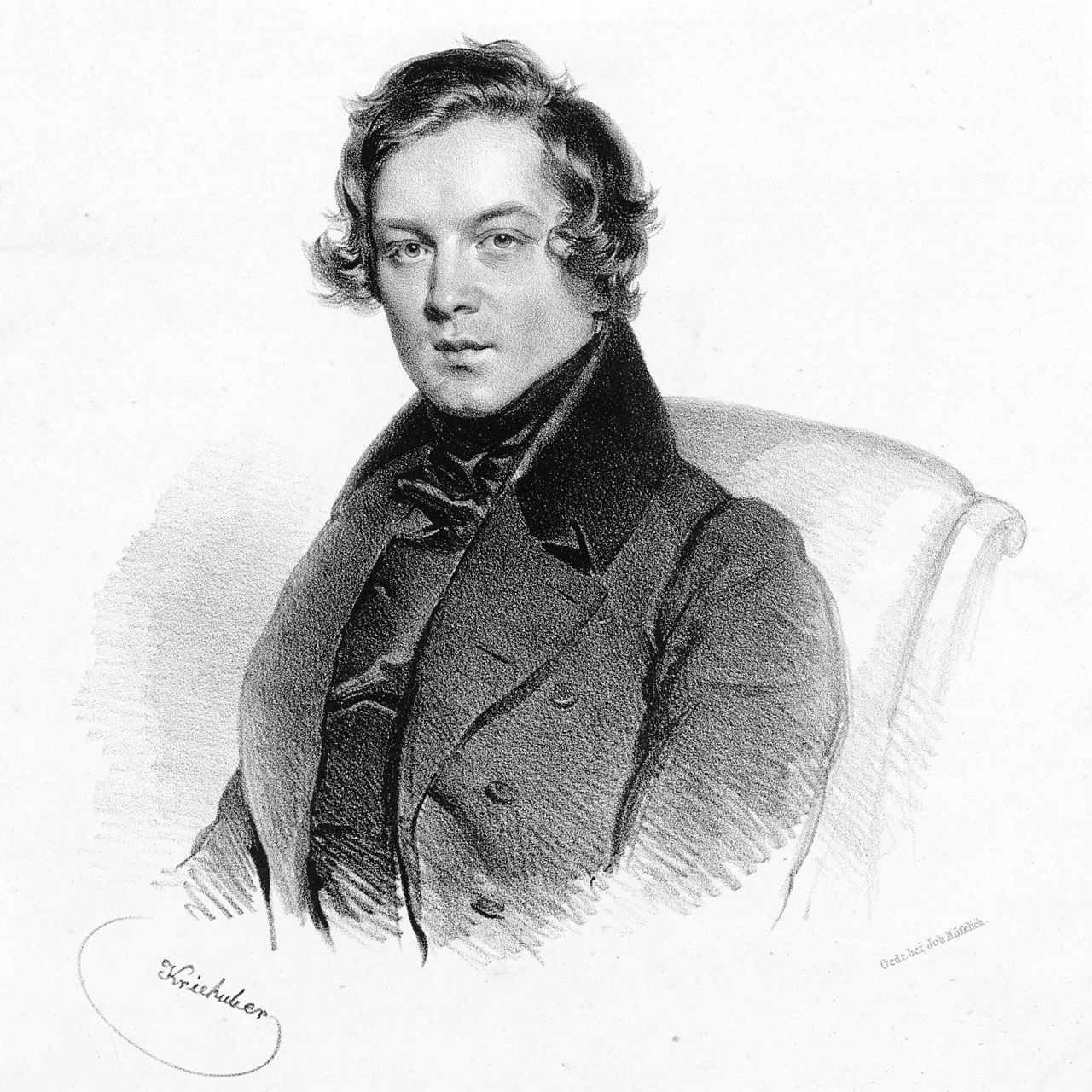

1835年、メンデルスゾーンはライプツィヒのゲヴァントハウス管弦楽団の指揮者に任命され、1847年に38歳で亡くなるまでその職を務めた。間もなく、 1830年にライプツィヒに移住した1歳年下のロベルト・シューマンなど他のバッハ愛好家と知り合った。ツヴィッカウのマリエン教会のオルガニスト、JG クンチュにピアノを教わったシューマンは、1832年にバッハのオルガン曲に深い関心を抱き始めたようである。日記には、ライプツィヒのピアノ教師フリードリヒ・ヴィークとその将来の妻である12歳の娘、クララ・ヴィークとともに、6つのオルガンフーガ BWV 543–548を初見で演奏したことが記録されている。シューマンは後に、最も影響を受けた作曲家としてバッハを認めている。シューマンは自身の作品を集めることに加え、フリードリヒ・ヴィークとともに隔週刊の音楽雑誌『新音楽新聞』を創刊し、バッハの音楽だけでなくショパンやリストといった同時代の作曲家の音楽も紹介した。主要寄稿者のひとりは友人のカール・ベッカーで、ペーター教会と1837年にはニコライ教会のオルガニストを務めていた。シューマンは1843年まで編集長を務め、その年にメンデルスゾーンがライプツィヒ音楽院の初代院長に就任した。シューマンは音楽院のピアノと作曲の教授に任命され、他にモーリッツ・ハウプトマン(和声と対位法)、フェルディナント・ダヴィド(ヴァイオリン)、ベッカー(オルガンと音楽理論)が教授に就任した。[ 76 ]

1822年以来、メンデルスゾーンがずっと悔やんでいたことの一つは、公開オルガンリサイタルを開催していたにもかかわらず、ペダル奏法を満足のいくまで磨く機会が十分になかったことだった。メンデルスゾーンは後に、ベルリンに帰国後もオルガンの使用がいかに困難であったかをこう振り返っている。「ベルリンでオルガン奏者たちに、たった1時間オルガンを弾かせてもらうためにどれほど懇願し、金を払い、説得しなければならなかったか、そしてその1時間の間にあれこれと理由をつけて10回も演奏を中断しなければならなかったことを人々が知っていたら、きっと彼らの評価も変わるだろう」。旅の途中、他の場所では練習の機会は散発的だったが、北ドイツ、特にイギリスの水準に匹敵するペダル鍵盤で演奏する機会は少なかった。 1835年、イギリスのオルガニスト、エドワード・ホームズは、セント・ポール大聖堂でのメンデルスゾーンのリサイタルについて、「即興演奏において間違いなく最高峰の彼の質を垣間見ることができた…彼は、精緻な楽曲を演奏するために必要な、楽器の絶え間ない機械的練習を怠ったように思える」と評した。1837年、イギリスで「聖アンナ」の前奏曲とフーガを演奏して絶賛されたにもかかわらず、ドイツに帰国したメンデルスゾーンは依然として満足感を得られず、「今度こそ本格的にオルガンを練習しようと決意した。もし皆が私をオルガン奏者だと思っているなら、いずれにせよ、私はオルガン奏者になる決意をしたのだ」と記している。そして、1839年の夏、フランクフルトで6週間の休暇を過ごした時に、ようやく機会が訪れた。そこで彼は、妻セシルの従兄弟フリードリヒ・シュレンマーのペダルピアノを毎日弾き、おそらく彼を通して、フランツとフィリップ・シュトゥムによって1779年から1780年に建てられたカタリーナ教会のオルガンも弾くことができた。 [ 77 ]
_-_Holzstich.jpg/1280px-Altes_Bachdenkmal_(Leipzig)_-_Holzstich.jpg)

1840年8月、メンデルスゾーンの努力は実を結びました。トーマス教会での初のオルガン・リサイタルです。コンサートの収益は、トーマス教会付近にバッハの像を建てるために寄付されました。コンサートの曲目のほとんどはメンデルスゾーンが既に演奏していたものでしたが、それでも彼は母親に宛てた手紙の中で、「前の8日間、あまりにも練習しすぎて、自力で立つのもやっとで、オルガンの音色ばかりで道を歩いていた」と記しています。コンサートは、最後に即興の「自由幻想曲」を演奏した以外は、すべてバッハの音楽に捧げられました。聴衆の中には、バッハの音楽を宣伝していた雑誌『アルゲマイネ・ムジカリシェ・ツァイトゥング』の創刊編集者で、当時バッハの音楽に情熱を注いでいた老年のフリードリヒ・ロッホリッツがいました。ロッホリッツはコンサート後、「私は今、安らかに旅立ちます。これ以上に素晴らしく、崇高な音楽は二度と聴けないでしょうから」と宣言したと伝えられています。リサイタルは聖アンナの前奏曲とフーガ BWV 552 で始まった。唯一のコラール前奏曲は、メンデルスゾーンとシューマンの両者が好んでいた18 のコラール前奏曲集 より、愛する海よ、見よBWV 654 であった。この時まで、これらの前奏曲やオルガン小品集に収録されている短いコラール前奏曲はほとんど出版されていなかった。メンデルスゾーンは両方のセットの版を準備し、1844 年にライプツィヒのブライトコップフ・アンド・ヘルテル社、ロンドンのコヴェントリー・アンド・ホリアー社から出版された。ほぼ同時期に、ライプツィヒのペータース出版社は、フリードリヒ・コンラート・グリーペンケルルとフェルディナント・ロイチュ編集によるバッハのオルガン作品全集 9 巻版を出版した。変ホ長調プレリュードとフーガBWV 552は第3巻(1845年)に収録され、コラールプレリュードBWV 669–682, 684–689は第6巻と第7巻(1847年)に、BWV 683はオルガン小品集からのコラールプレリュードと共に第5巻(1846年)に収録されている。[ 77 ]
.jpg/1280px-JH_Schramm_-_Clara_Wieck_(Zeichnung_1840).jpg)
1845年、ロバートが神経衰弱から回復し、ピアノ協奏曲の完成を数ヶ月後に控えていた頃、シューマン夫妻はアップライトピアノの下にペダルボードを借りました。クララは当時こう記しています。「4月24日、ピアノの下に取り付けるペダルボードを借りて、とても楽しい時間を過ごしました。私たちの主な目的はオルガンの練習でした。しかし、ロバートはすぐにこの楽器に強い興味を抱き、スケッチや練習曲をいくつか作曲しました。それらは全く新しいものとして、きっと高い評価を得るでしょう。」ピアノが置かれていたペダルフリューゲルの台座には29個の鍵盤があり、それぞれが29個のハンマーと弦に繋がれていました。ペダルボードは、1843年にライプツィヒ音楽院の学生向けにグランドペダルピアノを納入したのと同じ、ライプツィヒのルイ・シェーネ社によって製造されました。シューマンは、オルガンとペダルピアノのためのフーガやカノンを自分で作曲する前に、バッハのオルガン作品を入念に研究しており、その膨大なコレクションを所有していた。リーメンシュナイダー・バッハ研究所に所蔵されている、バッハのオルガン作品集であるクララ・シューマンのバッハの本には、ロベルト・シューマンによる詳細な分析記号が付いた『クラヴィーア演習 III』全曲が収められている。1850年のバッハ没後100周年に、シューマン、ベッカー、ハウプトマン、オットー・ヤーンはバッハ協会を設立した。これは、ブライトコップフ社とヘルテル社を通じて、編集者による追加を加えずにバッハの全作品を出版することを目的とした団体である。このプロジェクトは1900年に完了した。鍵盤楽器作品に充てられた第3巻には、インヴェンションとシンフォニア、そして4つのパートの『クラヴィーア演習』が収められた。 1853年にベッカーが編集者となって出版された。[ 78 ]


1853年9月末、ヴァイオリニストで作曲家のヨーゼフ・ヨアヒムの推薦を受け、20歳のヨハネス・ブラームスはデュッセルドルフのシューマン邸を訪れ、11月初旬まで彼らの家に滞在した。シューマン同様、あるいはシューマン以上に、ブラームスはバッハの音楽に深く影響を受けていた。到着後まもなく、シューマンの友人であるヨーゼフ・オイラーの家で、バッハのオルガン・トッカータ ヘ長調 BWV 540/1 をピアノで演奏した。ブラームスの訪問から3か月後、シューマンの精神状態は悪化した。自殺を図った後、シューマンはボン近郊のエンデニヒにある療養所に入所した。ブラームスはそこを何度か見舞った後、1856年に亡くなった。ブラームスは創立当初からバッハ協会に加入し、1881年には編集者となった。自身もオルガニストで、初期およびバロック音楽の研究者でもあったブラームスは、オルガン作品のコピーに注意深く注釈を付けて分析し、バッハのオルガン対位法における平行五度と八度の使用についても別途研究した。ブラームスのバッハ作品集は現在、ウィーン楽友協会に保存されており、ブラームスは1872年に同協会の音楽監督兼指揮者となった。1875年には、ウィーン楽友協会でベルンハルト・ショルツによる前奏曲変ホ長調BWV 552/1の管弦楽編曲版を指揮した。死去する前年の1896年には、ブラームスはオルガンのためのコラール前奏曲11曲作品122を作曲した。1845年に精神病からの回復期にバッハの対位法を治療法として取り入れたシューマンと同様に、ブラームスも末期の闘病中にバッハの音楽を有益なものとみなしていた。ブラームスの友人で伝記作家のマックス・カルベックは次のように伝えている。 [ 79 ]
彼は自分の状況について不満を漏らし、「こんなに長く続いているなんて」と言った。そして、音楽を全く聴けないとも言った。ピアノは閉じられたままで、バッハの楽譜を読めることしかできなかった。彼はピアノを指差した。閉じられたピアノの蓋の上に置かれた譜面台には、バッハの楽譜が置いてあった。


マックス・レーガーは作曲家であり、音楽学者ヨハネス・ロレンツェンは彼のバッハへの傾倒ぶりを「偏執的な同一視」と評しています。彼は書簡の中でしばしば「アルヴァーター・バッハ」と呼んでいました。レーガーは生涯でバッハの作品428点を編曲または編集し、1895年からピアノ独奏、ピアノ二重奏、または2台ピアノ用のオルガン作品38点を編曲しました。同時に、彼は自身のオルガン作品も多数作曲しました。オルガン奏者で音楽学者のハインリヒ・ライマンは、1894年に既に、ドイツ音楽におけるモダニズムの潮流に反発し、バッハ様式への回帰を奨励し、「この様式以外に救いはない…バッハこそが、オルガン作曲における我々の基準となるのだ」と述べています。レーガーは1894年から1895年にかけて、最初のオルガン組曲ホ短調を作曲し、1896年に作品16として出版され、「ヨハン・セバスチャン・バッハの思い出に」と献辞が添えられた。当初の構想は3楽章からなるソナタで、序奏と三重フーガ、コラール「Es ist das Heil uns kommen her (邦題:われらの神よ、われらの神よ)」によるアダージョ、そしてパッサカリアで構成されていた。最終版では、レーガーは第3楽章に間奏曲(スケルツォと三重奏曲)を挿入し、アダージョを拡張してルター派の賛美歌「Aus tiefer Not (邦題:われらの神よ、われらの神よ)」と「O Haupt voll Blood und Bunden(邦題:ああ、主よ、われらの神よ、われらの神よ)」による中央部を追加した。1896年、レーガーは唯一の連絡先であったブラームスに組曲の写しを送った。彼は手紙の中で、将来の作品をブラームスに献呈する許可を求めたが、それに対する返答は「許可は全く必要ありません!しかし、この件についてお伺いした上に、あまりにも大胆な献呈文に恐れをなす作品を同封していただいたので、思わず笑ってしまいました!」というものだった。この組曲の全体的な形式は、ヨーゼフ・ラインベルガーのオルガンソナタ第8番作品132(1882年)とブラームスの交響曲の形式を踏襲している。最後のパッサカリアは、バッハのオルガンパッサカリア ハ短調BWV 582/1を意識したものだが、ラインベルガーのオルガンソナタとブラームスの交響曲第4番の終楽章との類似性も明らかである。第2楽章は三部形式のアダージョで、中央部の冒頭は『クラヴィーア演習III』のペダリッター・コラール前奏曲BWV 686の「Aus tiefer Not」の設定に直接触発されており、器楽対位法の作曲家としてのバッハへのオマージュとなっている。同様に6つのパート(うち2つはペダル)からなる緻密なテクスチャを持つ。外側のセクションは、 『オルゴール小曲集』のコラール前奏曲「おお、人間よ、汝の太陽の大いなるものの間を」 BWV 622の音楽形式に直接触発されている。[ 80 ]この組曲は1897年、ベルリンのトリニティ教会で、ライマンの弟子であるオルガニスト、カール・シュトラウベによって初演された。シュトラウベの弟子の一人が後に記した記述によると、ライマンはこの作品を「ほとんど演奏不可能なほど難解」と評し、「それがシュトラウベの技巧家としての野心を刺激し、彼はこの作品の習得に取り組み、全く新しい技術的課題に、衰えることのないエネルギーで立ち向かうことになった」という。シュトラウベは1898年にさらに2回演奏を行った。1度目はヴェーゼル大聖堂での演奏で、当時オルガニストに任命されたばかりだった。2度目はフランクフルトでの演奏で、フランクフルトではレーガーと初めて出会った。1902年、シュトラウベはトーマス教会のオルガニストに任命され、翌年にはカントル(聖歌隊)に就任した。彼はレーガーのオルガン作品の主要な提唱者であり、演奏家となった。[ 81 ]
イングランド
[編集]出席された方々は大変喜んでおられたようで、中には(特にノリッジからの来賓の方々は)素晴らしい演奏を聴かれた方もいらっしゃいました。もちろん、私たちがこれまで聴いた中で最も素晴らしいオルガンで演奏した時の歓声に、皆さんも大喜びされたことでしょう。きっとあなたもご賛同いただけると思います。先生の楽譜集は大変役に立ちました。「イ長調の三重フーガ」は、初めて気球が上昇するのを見た時に人々が示すような驚きをもって迎えられました。スミスは、この音が人々の顔、ひいては心に与える影響を観察するために、2、3人のスパイを配置したと記憶しています。
— サミュエル・ウェスレー、1815年7月18日、ヴィンセント・ノヴェロへの手紙、グレート・ヤーマスのセント・ニコラス教会でのBWV 552/2の演奏について報告[ 82 ]


当時の音楽的嗜好や手書きの譜面入手の難しさに加え、イギリスとドイツのオルガンの設計における根本的な違い、すなわち足鍵盤の存在が、バッハのオルガン作品をイギリスのオルガン奏者が聴き取りにくいものにしていた。ヘンデルの主要オルガン作品であるオルガン協奏曲作品4と作品7は、作品7-1を除いてすべて、単一の手鍵式室内オルガン用に書かれたものと思われる。1830年代まで、イギリスのほとんどの教会オルガンには独立したペダルパイプがなく、それ以前は足鍵盤のある数少ないオルガンはすべてプルダウン式、つまり手鍵盤ストップに接続されたパイプを操作するペダルだった。足鍵盤には13個(1オクターブ)以上のキーがあることは稀で、例外的に17個(1オクターブ半)のキーがあることもあった。プルダウン式足鍵盤は1790年以降より一般的になった。クラヴィーア練習曲第3番のペダリッターによるコラール前奏曲には、CCからfまでの30鍵のペダルボードが必要です。このため、イギリスにおけるバッハの覚醒は、クラヴィーア作品がオルガンで演奏されたり、オルガン作品がピアノ連弾用または2人(時には3人)のオルガン奏者用に編曲されたりして始まりました。バッハのオルガン音楽への新たな関心と、1784年のヘンデル記念作品の壮大で雷鳴のような合唱効果を再現したいという願望が、最終的にイギリスのオルガン製作者に影響を与えました。1800年頃から(産業革命の精神で)ペダルとペダルパイプに関する一連の実験が行われた後、1840年代までには、新しく作られたオルガンと既存のオルガンに、確立されたドイツのモデルに従って、ペダル専用のディアパゾンパイプが取り付けられ始めました。セント・ポール大聖堂のオルガンは、 1694年にスミス神父に発注され、1697年にクリストファー・レンのケースで完成しました。このオルガンは、例外的に18世紀前半、おそらくは1720年にはヘンデルの勧めで、既に25鍵のペダルボード(2オクターブ Cc')とドイツ製のプルダウン式ペダルが備え付けられていました。1790年代までには、これらは独立したペダルパイプと連結され、リースの『百科事典』 (1819年)に詳細な図解付きで説明されています。1834年にウィリアム・ヒルによって建設されたバーミンガム市庁舎の4段手鍵盤の「モンスター」オルガンには、ペダルボードに接続された3組のペダルパイプがあり、手鍵盤の左側にある2オクターブの鍵盤からも独立して操作できました。ヒルは、現在も残っている巨大な32フィートのペダルパイプを設置するという実験を行ったが、その規模が大きすぎて適切な音が出なかったため、部分的にしか成功しなかった。[ 83 ]


オルガン奏者、作曲家、そして音楽教師でもあったサミュエル・ウェスレー(1766–1837)は、主に1808年から1811年にかけて、イギリスにおけるバッハ音楽への関心の喚起に重要な役割を果たしました。ウェスレー自身の活動が一時停滞した後、1806年前半にネーゲリのチューリッヒ版『平均律クラヴィーア曲集』の写本を作成しました。 1808年初頭、ウェスリーはチェルシーにあるチャールズ・バーニーの部屋を訪れ、1772年にCPEバッハから受け取った「48」の第1巻のコピーを演奏しました。ウェスリーが後に記録しているように、バーニーは「非常に喜び、難解なハーモニーと完璧で魅惑的なメロディーがこれほど見事に融合できたことに驚嘆しました」。その後、ウェスリーはバッハの音楽に傾倒していたバーニーに、自身の訂正版を出版するプロジェクトについて相談し、「私のものが現在イギリスで最も正確なコピーであると確信しています」と述べました。このプロジェクトは最終的にチャールズ・フレデリック・ホーンと共同で着手され、1810年から1813年にかけて4回に分けて出版された。1808年6月、ハノーバー・スクエア・ルームで行われた演奏会でウェズリーは「48番」から抜粋を演奏した後、「この素晴らしい音楽は流行に合わせて演奏できるかもしれない。私はささやかな実験を一度だけ試みただけだが、それがまさに我々の望んだように街を沸かせたのだ」とコメントした。その後も同会場とサリー礼拝堂で、ウェズリーがバッハについて熱烈に語り合っていたオルガン奏者ベンジャミン・ジェイコブとの共演による演奏会が行われた。音楽学者でオルガン奏者のウィリアム・クロッチもまたバッハの支持者で、1809年にハノーバー・スクエア・ルームでバッハに関する講演を行った後、平均律クラヴィーア曲集第2番ホ長調フーガBWV878/2の自著を出版した。序文で、ウェスリーはバッハのフーガは「演奏が非常に難しく、深い学識と高度な独創性に富んでいる」と評した後、その「支配的な様式」を「崇高」と評した。1810年までに、ウェスリーはセント・ポール大聖堂でクラヴィーア練習曲第3番変ホ長調フーガBWV552/2を演奏する意向を表明していた。1812年には、ハノーヴァー・スクエア・ルームで、楽譜出版社ノヴェッロ・アンド・カンパニーの創設者である編曲家ヴィンセント・ノヴェッロと共に、変ホ長調プレリュードをオルガン二重奏と管弦楽のために編曲して演奏した。後にバッハのオルガン作品全集の英語版を出版することになる、ジェイコブ・ウェスリーのオルガン協奏曲第3番。1827年には変ホ長調のフーガがヤコブによってオルガンまたはピアノの二重奏用に編曲され、2年後にはバーモンジーのセント・ジェームズにあるオルガンで3人の奏者によって演奏されました。このオルガンでは、ペダルを補助鍵盤で演奏することができました。また、このフーガはオルガン奏者のオーディションにも使用されていました。ウェスリーの息子サミュエル・セバスチャン・ウェスリー自身も、1827年に就職活動中にこのフーガを演奏しましたが、残念ながら不合格でした。この時期には、クラヴィーア練習曲第3番のコラール前奏曲も演奏されました。ベンヤミンへの手紙の中で、ウェスリーは特に「偉大なフーガ」として知られるようになった「われらの光」 BWV 680について言及しています。これはペダル部の躍動的な音型から、このフーガは「巨大なフーガ」として知られています。 1837年までに、オルガンのペダル技法はイギリスで十分に発達し、作曲家でオルガン奏者のエリザベス・スターリング(1819年 - 1895年)は、リージェンツ・パークのセント・キャサリン教会とホルボーンのセント・セパルカー教会で、ペダリッターのコラール前奏曲(BWV 676、678、682、684)のいくつかと聖アンナ前奏曲BWV 552/1を演奏するコンサートを開くことができた。[ 84 ](これらは、女性オルガン奏者によるイギリスでの最初の公開リサイタルであり、1838年に彼女はセント・セパルカー教会でBWV 669-670と聖アンナのフーガBWV 552/2を演奏した。)同年、ウェスリーと彼の娘は、ニューゲートのクライスト教会のオルガンロフトに招待され、フェリックス・メンデルスゾーンによるバッハのリサイタルを聴いた。メンデルスゾーンが日記に記したように、
老ウェスリーは震えながら体を曲げ、私の頼みでオルガンの椅子に座り、演奏を始めた。何年も弾いていなかった演奏だ。弱々しい老人は、芸術性と見事な手腕で即興演奏を披露し、私は感嘆せずにはいられなかった。娘さんはその光景に心を打たれ、気を失い、泣きじゃくりが止まらなかった。
1週間後、メンデルスゾーンはバーミンガム・タウンホールのオルガンで『聖アンナ』前奏曲とフーガBWV552を演奏しました。コンサートに先立ち、彼は母親に宛てた手紙の中でこう綴っています。
ファニー、愛しい母さん、もし私がバーミンガムでバッハのオルガン前奏曲変ホ長調と、同じ巻の最後に収録されているフーガを演奏したら、彼女は何と言うでしょうか?きっと文句を言うでしょうが、それでも私は正しいと思っています。特に前奏曲はイギリス人にとても受け入れられると思いますし、前奏曲とフーガの両方でピアノ、ピアニッシモ、そしてオルガンの全音域を堪能できます。それに、私にとっては決して退屈な曲ではありません!


ウェスリーは翌月亡くなった。メンデルスゾーンはイギリスを合計10回訪れており、最初は1829年、最後は1847年だった。最初のイギリス訪問では、友人のピアニスト兼作曲家イグナーツ・モシェレスの家に滞在し、大成功を収め、メンデルスゾーンはイギリス音楽界のあらゆる階層から歓迎された。1833年の4回目のイギリス旅行では、父親に付き添われ、17歳のピアニスト兼作曲家ウィリアム・スタンデール・ベネットが初めてピアノ協奏曲を演奏するのを聴いた。メンデルスゾーンのような音楽の天才であったスタンデール・ベネットは、10歳で王立音楽アカデミーに入学し、クロッチに師事していた。彼はまた、バッハの作品に精通した熟練したオルガニストでもあった。 (短期間オルガニストを務めた後、彼はハノーヴァー・スクエア・ルームでオルガンの練習を始め、後にペダルピアノで難解なペダルパッセージを巧みに弾きこなし、息子を驚かせた。)メンデルスゾーンはすぐに彼をドイツに招いた。伝えられるところによると、スタンデール・ベネットが弟子としてドイツへ行くことを申し出た時、メンデルスゾーンは「いやいや、君は私の友達になるべきだ」と答えたという。スタンデール・ベネットは最終的に1836年10月から1837年6月までの6ヶ月間ライプツィヒを訪れた。そこで彼はシューマンと親しくなり、シューマンは後に彼の魂の伴侶であり、飲み仲間となった。スタンデール・ベネットはメンデルスゾーンとシューマンの存命中にドイツを訪れたのは1838年から1839年、そして1842年の2度だけだったが、その後も親交を保ち、メンデルスゾーンのイギリス訪問の手配にも協力した。彼はバッハの熱心な支持者となり、ロンドンでバッハの室内楽コンサートを企画した。彼は1849年にロンドンで設立された最初のバッハ協会の創設者の一人であり、バッハ作品、特に合唱作品の演奏と収集に尽力した。1854年には、ハノーヴァー・スクエア・ルームで『マタイ受難曲』のイギリス初演を指揮した。[ 85 ]
メンデルスゾーンは1829年に既にトーマス・アトウッドと親交を深めていた。アトウッドはモーツァルトに師事し、1796年からセント・ポール大聖堂のオルガニストを務めていた。アトウッドを通して、メンデルスゾーンはセント・ポール大聖堂のオルガンを利用できるようになった。このオルガンは、ペダルボードの配置が異例であったにもかかわらず、バッハの演奏には適していた。しかし1837年、セント・ポール大聖堂でのリサイタル中、ウェズリーに演奏する直前に、オルガンへの空気供給が突然途絶えた。メンデルスゾーンは後に、この出来事を何度も繰り返し語らなければならなかったが、副オルガニストのジョージ・クーパーが、
怒りで真っ赤になった男は、狂人のように走り去り、しばらくしてようやく戻ってきた。演奏中にオルガン奏者が、人々を教会から追い出すことができず、自分の意志に反して長く演奏を続けざるを得なかった司祭の指示で、ふいごを置き去りにし、扉に鍵をかけて出て行ったという知らせを持って。…四方八方から「恥を知れ!恥を知れ!」という叫び声が上がった。三、四人の聖職者が現れ、群衆の前で司祭を激しく殴りつけ、解雇すると脅した。

クーパーの息子、ジョージも同じく、セント・ポール大聖堂の次期副オルガニストとなった。彼はバッハのオルガン音楽を推進し、1845年にはホリアー&アディソン社から『クラヴィーア演習III』のコラール前奏曲「我らの光よ」 BWV 680の初の英語版を出版した。彼はこの前奏曲の軽快なペダル音から「巨大フーガ」と名付けた。19世紀後半には、この前奏曲は『クラヴィーア演習III』のペダリッターによるコラール前奏曲の中で最も有名となり、ノヴェロによって中級レベルのオルガンアンソロジーとして何度か再出版された。[ 86 ]
メンデルスゾーンの8回目の訪問は、ヴィクトリア女王即位後の1842年に行われた。女王の夫であるアルバート公は熱心なオルガン奏者であり、その影響でバッハの楽曲が王室コンサートで演奏されるようになった。バッキンガム宮殿への2度目の招待の2回目で、メンデルスゾーンはアルバート公のオルガンで即興演奏し、ファニーと自らの伴奏で女王のために2曲を演奏した。この2度の訪問の間に、彼はもう一度聖アンナの前奏曲とフーガを演奏したが、今回はエクセター・ホールで行われたセイクリッド・ハーモニック・ソサエティ主催のコンサートで3,000人の聴衆を前にした。ロンドンにはCCまでのドイツ製ペダルボードを備えた教会オルガンはほとんどなく、あったのはセント・ポール大聖堂、ニューゲートのクライスト・チャーチ、コーンヒルのセント・ピーターズ教会で、メンデルスゾーンはここで頻繁にソロ・リサイタルを行っていた。 1847年の最後の訪問の際、彼は5月にバッキンガム宮殿でヴィクトリアとアルバートを再びもてなした。その数日後、アルバート公が主催した古代コンサートで、ハノーバー・スクエア・ルームのほとんど機能していないオルガンで「バッハ」の名による前奏曲とフーガBWV 898を演奏した。聴衆の中にはウィリアム・グラッドストンもいた。 [ 87 ]


1840年代後半から1850年代初頭にかけて、イギリスにおけるオルガン製作は、ドイツの伝統とフランスの革新、特にアリスティド・カヴァイエ=コルのような新世代のオルガン製作者による革新を取り入れ、より安定し、実験的な要素は薄れていった。19世紀後半のイギリスにおけるオルガン製作の主要人物の一人はヘンリー・ウィリスである。リバプールのセント・ジョージズ・ホールのオルガンの設計と建設方法は、ニコラス・シスルスウェイトが1840年代の「島国主義運動」と呼ぶものから、確立されたドイツのシステムを採用する方向への移行を示している。オルガンの計画は1845年に正式に開始された。リバプール市議会の主要顧問は、サミュエル・ウェスレーの息子で、特にバッハの作品で名を馳せたサミュエル・セバスチャン・ウェスレーであった。彼は大学の音楽教授たちと協議しながら製作を進めたが、彼の風変わりな提案にはしばしば異議が唱えられた。ウェスリーが左手でオクターブを演奏できる可能性を理由に、手鍵盤の音域について議論しようとした際、教授たちは、オクターブの使用は一流オルガニストよりもピアニストの間で一般的であり、さらに彼がリーズ教区教会のオルガニストだった頃、「GG手鍵盤の最低音6個の鍵盤の埃が何ヶ月もそのまま残っていた」ことを指摘した。ウィリスがオルガン製作を依頼されたのは、1851年になってからだった。彼は万国博覧会の水晶宮に展示したウィンチェスター大聖堂のオルガンで委員会に強い印象を残したのである。完成したオルガンは4つの手鍵盤と30鍵の足鍵盤を備え、17組のペダルパイプを備え、CからFまでの音域をカバーしていた。この楽器は不平均律で、ウェスリーが規定したように、空気供給は8馬力の蒸気機関で駆動される2つの地下大型ふいごから供給された。ウィリスが導入した革新の中には、円筒形のペダルバルブ、空気圧レバー、コンビネーションアクションなどがあり、最後の2つの機能は19世紀後半にイギリスのオルガン製作者に広く採用されました。オルガンは1855年にウィリアム・トーマス・ベストによって落成し、同年後半には常任オルガン奏者に任命され、彼の演奏を聴くために何千人もの聴衆を集めました。1867年、彼はオルガンを平均律に再調律しました。彼は1894年までその職に留まり、クリスタル・パレス、セント・ジェームズ・ホール、ロイヤル・アルバート・ホールなどイギリス各地で演奏しました。聖アンナの前奏曲とフーガBWV552はベストによってポピュラー・マンデー・コンサート・シリーズの初回に使用されました。1859年にセント・ジェームズ・ホールで演奏し、その後1871年にはヴィクトリア女王臨席のもと、ロイヤル・アルバート・ホールに新しく建設されたウィリスのオルガンの落成式にも参加した。[ 88 ]
フランス
[編集]ある日、私はメゾン・エラールの2階にある小部屋を通りかかりました。そこは偉大なピアニストだけが練習とレッスンのために用意されていた部屋でした。当時、部屋はすべて空っぽでしたが、一つだけ例外がありました。その部屋からは、バッハの偉大な「三重プレリュード 変ホ長調」がペダリエで驚くほど上手に演奏されていました。私は、か弱そうな小柄な老人の、表現力豊かで透き通るような演奏に釘付けになり、その場に釘付けになりました。老人は私の存在に全く気づかず、最後まで演奏を続けました。それから、私の方を向いて「この曲はご存知ですか?」と尋ねました。私は、音楽院でフランクのクラスでオルガンを習っている者として、このような素晴らしい曲を無視するわけにはいかないと答えました。「何か弾いてくれ」と老人は言い、ピアノの椅子を私に譲りました。少々圧倒されながらも、私はハ長調のフーガをかなりきれいに弾くことができました... 彼は何も言わずにピアノに戻り、「私はシャルル・ヴァレンティン・アルカンです。最高のものだけを演奏する毎年恒例の6回の「プチ・コンサート」の準備をしています」と言いました。
— ヴァンサン・ダンディ、1872年[ 89 ]


フランスでは、バッハ復興は根付くのが遅かった。フランス革命による混乱期を経た1840年代後半までは、バッハがフランスの公の演奏会で演奏されることは稀で、教会のオルガン奏者は対位法ではなくオペラのアリアやポピュラーなアリアを演奏することが好まれた。唯一の例外は、1833年12月にパリ音楽院で行われた公開演奏で、2年後にはサロン・パプで再演された。この演奏では、バッハの3台のチェンバロのための協奏曲 BWV 1063 の冒頭アレグロが演奏された。このピアノはショパン、リスト、ヒラーによって演奏された。ベルリオーズは後に、彼らの選択は「愚かで滑稽」で、彼らの才能にふさわしくないと評した。シャルル・グノーは1839年にローマ賞を受賞し、ローマのヴィラ・メディチで3年間過ごし、そこでパレストリーナのポリフォニック音楽に熱烈な関心を抱くようになった。彼はメンデルスゾーンの妹ファニーとも会った。ファニーもまた優れたコンサートピアニストで、当時は芸術家ヴィルヘルム・ヘンゼルと結婚していた。グノーは彼女を「傑出した音楽家で、優れた知性を持つ女性。小柄で細身だが、深く窪んだ目と燃えるような眼差しにエネルギーが溢れていた」と評した。これに対しファニーは日記に、グノーは「私がかつて見たこともないほど音楽に情熱を傾けていた」と記している。彼女はグノーにバッハの音楽を紹介し、フーガ、協奏曲、ソナタを暗譜でピアノ演奏した。1842年の滞在終了時には、25歳になったグノーはすっかりバッハの信奉者になっていた。1843年、ウィーンに7ヶ月滞在した後、ファニーの紹介状を持ってライプツィヒで4日間、グノーは彼女の兄と過ごした。メンデルスゾーンはトーマス教会のオルガンでグノーのためにバッハを演奏し、彼を称えて特別に招集されたゲヴァントハウス管弦楽団に彼のスコットランド交響曲を指揮させた。パリに戻ったグノーは、バク通りにある外国宣教会のオルガン奏者兼音楽監督に就任したが、その条件として音楽の自由が認められた。バッハとパレストリーナは彼のレパートリーに深く関わっていた。教会員たちが当初、この毎日の対位法の演奏に反対した際、グノーは神父に詰め寄られた。神父は最終的にグノーの条件を受け入れたが、「あなたはなんてひどい人なの!」と一言も発しなかった[ 90 ]。
1840年代後半から1850年代にかけて、フランスで新しいオルガン奏者兼作曲家の流派が出現し、全員がバッハのオルガン作品の訓練を受けた。これらにはフランク、サン=サーンス、フォーレ、ヴィドールなどが含まれていた。フランス革命の余波で、フランスではバロック以前の時代の合唱音楽、とりわけパレストリーナ、バッハ、ヘンデルの作品への関心がすでに復活していた。1817年、アレクサンドル=エティエンヌ・ショロンが王立古典宗教音楽院を設立した。7月革命とショロンの1834年の死後、この学校は「フランス王立古典音楽院」と改名され、ルイ・ニーデルマイヤーに引き継がれ、彼の名前を冠したエコール・ニーデルマイヤーとなった。パリ音楽院と並んで、ブリュッセルはフランスのオルガニストの主要な養成機関の一つとなった。パリでショロンと同時代人であり同僚でもあったベルギーの作曲家・音楽学者フランソワ=ジョセフ・フェティスは、彼と同様に初期音楽とバロック音楽に興味を持っていた。フェティスはブリュッセルにも同様の影響力を持ち、1832年にブリュッセル王立音楽院の院長に任命され、1871年に亡くなるまでその職を務めた。[ 91 ]


同じ頃、フランスのオルガン製作者、とりわけアリスティド・カヴァイエ=コルは、足鍵盤を備えたバッハの曲だけでなく現代の交響曲にも適した新しいシリーズのオルガンを製作し始めていました。伝統の変化は、1844年にドゥブレーンとカリネが製作したサン・トゥスタシュ教会のオルガンの落成式にまで遡ることができます。ドイツのオルガン奏者アドルフ・フリードリヒ・ヘッセは、 5人のパリ市民と共に招かれ、新しい楽器の演奏を披露しました。リサイタルでヘッセはバッハのトッカータ ヘ長調 BWV 540/1を演奏し、パリの聴衆は当時のフランスで知られていたものよりもはるかに優れたペダル奏法を聴くことができました。当時のフランスの評論家たちは、ヘッセのペダル演奏に感銘を受けながらも、賛否両論の評価を与えた。ある評論家は、彼は「ペダルの王様…彼は力と騒音のことしか考えていない。彼の演奏は驚異的ではあるが、魂に訴えかけるものではない。彼は常に、罰を与えようとする怒れる神の使者のようだ」と評した。しかし、以前産業博覧会でヘッセがバッハを演奏するのを聞いた別の評論家は、「ドゥブレーン=カリネ社のオルガンが下から上まで完璧だとすれば、ヘッセ氏は頭から足まで完璧なオルガン奏者だ」と評した。この新しいオルガンは短命に終わった。1844年12月、ろうそくが落ちてきて火災に見舞われたのである。[ 92 ]
1854年、サン・トゥスタッシュ教会に新設されたオルガンの落成式には、ベルギー出身のオルガン奏者兼作曲家、フランク・レメンズとジャック=ニコラ・レメンズが参加した。レメンズはヘッセとフェティスに師事し、1850年代初頭にはパリでバッハのオルガン曲を演奏する公開コンサートを開催し、ドイツで習得した卓越したフットテクニックを駆使していた。同時に、レメンズは「カトリックのオルガン奏者」向けに18回にわたるオルガン教本を出版し、バッハのオルガン演奏の伝統を包括的に紹介した。この教本は、後にフランスで採用されることになる。[ 92 ]


1855年、ピアノ会社エラールは、新しい楽器、ペダルピアノ(ペダリエ)を発表しました。これは、ドイツ式の完全な足鍵盤を備えたグランドピアノでした。フランスの作曲家、オルガニスト、そして名ピアニストであったシャルル・ヴァランタン・アルカンとレメンズは、このピアノでコンサートを行い、バッハのオルガンのためのトッカータ、フーガ、コラール前奏曲などを演奏しました。1858年、アルカンの友人であったフランクは、私用としてペダリエを購入しました。バッハの信奉者であり、バッハ協会の初期の会員の一人でもあったアルカンは、ペダリエのために多くの作品を作曲し、1866年には足鍵盤のみのための練習曲12曲集も作曲しました。 1870年代、当時隠遁生活を送っていたアルカンは、毎年エラール大広間でペダルピアノを使ってプチ・コンサートの公開演奏会を行うために戻った。アルカンのレパートリーには聖アンナの前奏曲やいくつかのコラール前奏曲が含まれていた。[ 93 ]
フランスにおける嗜好の変化を示す兆候は他にもあった。 1857年から1877年までマドレーヌ寺院のオルガニストを務めたサン=サーンスは、典礼でオペラのアリアを演奏することを拒否し、ある時はそのような要請に対して「神父様、私が説教壇からオペラ・コミック座の言葉を聞いたら、軽妙な音楽を演奏します。それまではだめです!」と答えている。しかしサン=サーンスは、バッハの音楽を礼拝で使用することには消極的だった。彼は、前奏曲、フーガ、トッカータ、変奏曲は演奏会で演奏するには技巧を凝らした作品だと考え、コラールの前奏曲はカトリックのミサに含めるにはあまりにもプロテスタントの精神が強すぎると考えていた。サン=サーンスは、パリのカヴァイエ=コル・オルガンの落成式で「聖アンナの前奏曲とフーガ」をしばしば使用した。彼はサン・シュルピス(1862年)、ノートルダム大聖堂(1868年)、トリニテ(1869年)、ベルサイユの礼拝堂(1873年)、トロカデロ(1878年)の就任式で演奏した。[ 94 ]


19世紀最後の20年間、フランスではバッハのオルガン音楽への関心が再び高まりました。1878年の第3回パリ万博のために建設された旧トロカデロ宮殿のコンサートホール、通称「祝祭の間」では、新しいカヴァイエ=コル・オルガンを用いた公開コンサートが開催されました。ルマンの弟子であるオルガニストのアレクサンドル・ギルマンがウジェーヌ・ジグーと共同で企画したこのコンサートは、博覧会期間中に6回の無料コンサートとして始まりました。コンサートホールは5,000人を収容でき、時には2,000人が立ち見を出すほどの大観衆を集め、世紀の変わり目まで演奏が続きました。ギルマンは主に、当時まだ一般大衆にはほとんど知られていなかったバッハとヘンデルという、彼が「音楽の巨匠」と呼んだ2人の作曲家のオルガン曲を演奏しました。また、ブクステフーデやフレスコバルディといったより古い巨匠たちの作品も演奏しました。コンサートでは「聖アンナ」の前奏曲とフーガが演奏され、サン=サーンスは1879年の最初のコンサートで、ギルマンは1899年のコンサート20周年記念特別演奏会で再び演奏した。これらのコンサートは、フランスにおけるバッハの世紀末崇拝の新たな潮流を象徴するものであった。批判者もいた。音楽評論家のカミーユ・ベレーグ(1858-1930)は1888年にバッハを「一流の退屈な音楽家」と評している。[ 91 ]
偉大な音楽家たちの中でも、最も偉大な、つまり音楽そのものが存在しなかったであろう人物、音楽の創始者、族長、アブラハム、ノア、アダムであるヨハン・セバスチャン・バッハは、最も退屈な人物である。…容赦ない四角いリズムに押しつぶされ、音の代数、生きた幾何学の中に迷い込み、果てしないフーガの応答に圧倒され、人はこの驚異的な対位法に耳を塞ぎたくなることが何度あることか…


バッハのコラール前奏曲は、フランスのオルガン音楽のレパートリーに加わるのが遅かった。セザール・フランクは、バッハの作品を公に演奏したのは1曲のみと知られているが、 1870年代から1880年代にかけて、パリ音楽院の試験問題としてコラール前奏曲( BWV 622とBWV 656 )を頻繁に課題曲とした。1890年にフランクが亡くなると後を継ぎ、後継者となったシャルル=マリー・ヴィドールは、バッハの他のオルガン作品が既に基礎を築いていたパリ音楽院において、コラール前奏曲をオルガン教育の基礎として導入した。ヴィドールは、バッハの音楽はフランスのオルガン音楽を代表すると考えていた。
無限で崇高な感情は、言葉では表現しきれないものであり、芸術においてのみ適切に表現され得るものである。…それは、私たちが真実と物事の一体性を把握し、つまらないもの、私たちを隔てるものすべてを超越できる状態に魂を調整してくれる。
サン=サーンスやその師レメンズとは異なり、ヴィドールはバッハのオルガン曲を演奏することに、ルター派との関連性を理由に反対しなかった。「彼の作品を通して語られるのは純粋な宗教的感情であり、それは我々が生まれ育った民族や宗教の境界を越えて、すべての人間に共通するものである。」ヴィドールの弟子で盲目の作曲家兼オルガン奏者のルイ・ヴィエルヌは後にこう回想している。[ 95 ]
1892年初頭、クラスが再開した時、私たちの芸術的発展にとって極めて重要な出来事が起こりました。それは、バッハのコラール前奏曲の発見です。「発見」とはまさにこのことです。これは誇張ではありません。皆さんもご自身で判断してください。最初の演奏クラスで、ヴィドールは、音楽院に着任して以来、私たちの誰一人として有名なコラールを持ってこなかったことに少し驚いた様子で言いました。私は、フランクが私たちの学校のために用意した版のために点字で出版された3曲を知っていました。技術的な難しさは感じられず、それ以上気に留めていませんでした。クラスメイトたちは、それらの存在すら知りませんでした。リショー版の本が数冊あった音楽棚を調べたところ、3巻のコラール前奏曲集を発見しました。2巻は前奏曲とフーガ集、1巻はコラール前奏曲集で、後者は全く手つかずのまま、ページも切り取られていませんでした。校長先生は授業中ずっとこれらの曲を演奏してくれて、私たちはすっかり圧倒されました。巨匠のオルガン作品の中でも最も圧倒的な部分が、突如として私たちの前に現れたのです。私たちはすぐにその練習に取り掛かり、それから3ヶ月間、教室では他の曲は何も演奏されませんでした。1月の試験では全員がコラールの前奏曲を演奏しましたが、審査員の驚きは私たち自身に劣らず大きかったようです。ホールを出ると、アンブロワーズ・トーマスがヴィドールにこう言うのが聞こえました。「なんて音楽なの! なぜ40年前に知らなかったんだろう? これはすべての音楽家、特にオルガン奏者のバイブルとなるべき曲よ」
ヴィドールの推薦により、ギルマンは1896年に彼の後を継いで音楽院のオルガン教授に就任した。1899年にはムードンの自宅に3段鍵盤のカヴァイエ=コル製オルガンを設置し、幅広い生徒にレッスンを行った。その中にはアメリカから来た一世代のオルガン奏者もいた。彼のフランス人の生徒には、ナディア・ブーランジェ、マルセル・デュプレ、ジョルジュ・ジャコブがいた。デュプレは11歳でギルマンに師事し始め、後に音楽院で彼の後任となった。1920年に音楽院で、翌年にはトロカデロ宮殿で行われた2回の有名なコンサートシリーズで、デュプレはバッハのオルガン作品全曲を10回にわたって暗譜で演奏した。第9回コンサートは、クラヴィーア練習曲第3番のコラール前奏曲のみを演奏した。デュプレは1926年にギルマンのカヴァイエ=コル製オルガンを購入し、ムードンでも教鞭を執った。1911年、パリでの埋葬に先立ち、ギルマンの自宅で行われた葬儀では、ヤコブによる『アウス・ティエファー・ノース』 BWV 686の演奏が行われた。[ 96 ]
歴史的な転写
[編集]


ピアノ
- ベンジャミン・ヤコブ(1778–1829)、ピアノ二重奏曲のための前奏曲とフーガBWV552の編曲
- イヴァン・カルロヴィチ・チェルリッツキー(1799–1865)、ピアノ独奏用前奏曲とフーガBWV 552およびコラール前奏曲BWV 669–689の編曲
- アドルフ・ベルンハルト・マルクス(1795–1866)、コラール前奏曲BWV679と683のピアノ独奏用編曲
- フランツ・ザビエル・グライヒハウフ (1801–1856)、ピアノ二重奏のための前奏曲とフーガ BWV 552 の編曲
- オットー・ジンガー(1833–1894)、2台のピアノのための前奏曲とフーガBWV552の編曲
- ルートヴィヒ・シュタルク(1831–1884)、ピアノ独奏用前奏曲とフーガBWV552の編曲
- エルンスト・パウアー(1826–1905)、ピアノ二重奏のための前奏曲とフーガ BWV 552 の編曲
- マックス・レーガー(1873–1916)、ピアノ二重奏とピアノ独奏のための前奏曲とフーガBWV552の編曲[ 97 ] [ 98 ]
- フェルッチョ・ブゾーニは1890年に「ピアノ演奏会用に自由に編曲した」プレリュードとフーガBWV552 [ 99 ]
- アウグスト・ストラダール(1860–1930)、ピアノ独奏用の前奏曲とフーガ BWV 552 の編曲
- ウィリアム・G・ウィテカー(1876–1944)、コラール前奏曲BWV672–675、677、679、681、683、685、687、689のピアノ独奏用編曲
- クリストファー・ル・フレミング(1908–1985)、2台のピアノのための前奏曲とフーガBWV552の編曲
- ジェルジ・クルターク、AustieferNothschrei'ichzudirBWV687 、 Játékokからピアノ4手用に転写(「ゲーム」)
オーケストラ
- ヴィンセント・ノヴェロはBWV552の前奏曲をオーケストラとオルガンの二重奏用に編曲した。1812年にサミュエル・ウェスレーとノヴェロの演奏でハノーバー・スクエア・ルームのオルガンで初演された。 [ 100 ] [ 101 ]
- レオポルド・ストコフスキー、フィラデルフィア管弦楽団の指揮者。Wir glauben all' an einen Gott BWV 680 とAustiefer Noth schrei' ich zu dir BWV 686 は、ストコフスキーが編曲したバッハの 14 曲のオルガン作品の 1 つです。『ヴィル・グラウベン』は 1924 年 3 月 15 日に初演され、1929 年 5 月 1 日に録音された[ 102 ]
- ラルフ・ヴォーン・ウィリアムズ、弦楽オーケストラのためのヴィル・グラウベン・オール・アン・アイネン・ゴットBWV 680の編曲、1925年(アーノルド・フォスターによる簡略版もある)
- アルノルド・シェーンベルクは1928年に前奏曲とフーガBWV552を管弦楽用に編曲した。初演は1929年にアントン・ウェーベルンによって指揮された。 [ 103 ] [ 104 ]
- アンリ・フェルブルッヘン(1873–1934) は、前奏曲とフーガ BWV 552 をオーケストラ用に編曲しました。
- フィリップ・ジェームス(1890–1975)、ヴィル・グラウベン・オール・アン・アイネン・ゴットBWV 680をオーケストラ用に編曲、1929年。
- ファビアン・セヴィツキー(1891–1967)、ヴィル・グラウベン・オール・アン・アイネン・ゴットBWV 680 のオーケストラ用編曲、1937 年。
- アラン・ブッシュ(1900年 - 1995年)、カイリー、ゴットの編曲、ハイリガー・ガイストBWV 671とイエス・キリストのフーガ、アンサー・ハイランドBWV 689を弦楽オーケストラのため、 1941年11月にケンブリッジ芸術劇場で初演された。
- アルフレッド・エイコン(1905–1977)、弦楽オーケストラのためのヴィル・グラウベン・オール・アン・アイネン・ゴットBWV 680の編曲、1942年。
- ヘルマン・ベッセンロート(1884–1968)、ヴィル・グラウベン・オール・アン・アイネン・ゴットBWV 680をフルオーケストラ用に編曲、1942年。
- シカゴ交響楽団の指揮者フレデリック・ストックは、前奏曲とフーガBWV552を管弦楽用に編曲し、1944年12月22日にシカゴ交響楽団とともに録音した。[ 102 ]
室内楽アンサンブル
- アブラハム・メンデルスゾーン(1776年 - 1835年)、フルート、ヴァイオリン、ヴィオラ、チェロ、オルガンのための『ファーター・アンサー・イム・ヒンメルライヒ』 BWV 682の編曲[ 106 ]
- フェルディナンド・ダヴィッド(1810–1873)による、ヴァイオリンとヴィオラのためのデュエッティBWV802–805の編曲。
録音
[編集]- マリー・クレール・アラン、バッハのオルガン作品全集、エラート、ディスク 6 と 7。
- アンドレ・イゾワール、バッハのオルガン作品全集、カリオペ、ディスク 13 と 14。
- トン・コープマン、バッハのオルガン作品集、第 5 巻、Das Alte Werk、Teldec、CD 2 枚。
- ベルナール・フォクルール、バッハのオルガン作品全集、リチェルカーレ/アレグロ、ディスク 11 および 12。
- Matteo Messori、Dritter Theil der Clavier-Übung、Brilliant Classics、SuperAudioCD または CD 2 枚。
- ヘルムート・ヴァルヒャ、バッハのオルガン作品全集、Documents、Membran Musics、ディスク 8 および 9。
参照
[編集]注記
[編集]- ^ ウォルフ 1991、207ページ
- ^ ウィリアムズ 2001、25~26ページ
- ^ ウィリアムズ 2007、225–226ページ
- ^ スティンソン 2001、66ページ
- ^ ウォルフ 1991、205–208ページ
- ^ ウィリアムズ 2003、387–389ページ
- ^ ウィリアムズ 2003、387ページ
- ^ a b ウィリアムズ 2003、388ページ
- ^ ウォルフ 1991、207ページ
- ^ ウィリアムズ 2003、387–388ページ
- ^ ウィリアムズ 2003、389ページ
- ^ イヤーズリー 2002
- ^ ウィリアムズ 2003、394ページ
- ^ イヤーズリー 2002、93~111ページ
- ^ ビューロー&マルクス 1983
- ^ ウィリアムズ 2003、390–391ページ
- ^ a b c ウィリアムズ 2003、393–394ページ
- ^ ゾーン 2008、3~4ページ
- ^ a b シュルツェ 1985
- ^ スタウファー 1993、83ページ
- ^ ホーン 2000
- ^ ウィリアムズ 2003
- ^ ウィリアムズ 1980
- ^ バトラー 1990、84ページ
- ^ ボンド 1987、295ページ
- ^ スタウファー 1986、207–208ページ
- ^ ウォルフ 1991、343–346ページ
- ^ 参照:
- ^ a b ウィリアムズ 2003、pp. 133, 137, 416
- ^ ウォルフ 2002、265–268ページ
- ^ 参照:
- ボイド 2000、195ページ
- アペル 1969、748ページ
- ^ 参照:
- ^ ウィリアムズ 2003、139ページ
- ^ ブコフザー 2008、299ページ
- ^ 「J.S.バッハのプレリュードとフーガ 変ホ長調 (BWV 552,1/2): 心のインスピレーションか?」『 Music Theory Online』第4巻第5号、1998年9月。
- ^ リーバー 2007
- ^ Butt 1997、pp. 35–45、第3章、ロビン・リーバー著「音楽とルター主義」
- ^ デンネリー 2001
- ^ a b c d e f g h テリー 1921
- ^ 参照:
- レンウィック 1992
- レスター、1989 年、p. 160 Der Phrygius ist keine andere Tonart als unser A moll, nur mit dem Unterschied, dass der Herrschende Accord e gs h anfänget und endiget, wie der Choral: Ach GOtt vom Himmel sieh Darin, herzeuget. Wir können diese Art, mit dem herschenden Accorde anzufangen und zu endigen, noch heutiges Tages gebrauchern, Sonderlich in denen Stücken, mit welchen einコンサート, Sinfonie oder Sonate nicht völlig geendiget wird ... Diese Art zu schliessen erwecket ein verlangen einマーラーズ・ズ・ホーレン。
- ^ 参照:
- ^ テリー 1921、9ページ
- ^ ウォルフ 1991、206ページ
- ^ 参照:
- ^ ケラー 1967
- ^ 参照:
- ^ ジェイコブ 1997、230ページ
- ^ ウォルフ 1991、115、208ページ
- ^ ウィリアムズ 1980、265–269ページ
- ^ ウィリアムズ 2003、410–413ページ
- ^ イヤーズリー 2012、107~109ページ
- ^ 参照:
- ^ J.S.バッハ、音楽の詩、p. 345 (フランス語)
- ^ バット 2006、50ページ
- ^ ウィリアムズ 2003、421ページ
- ^ Schulenberg 2006 , p. 394 現存するリチェルカーレ a 6の自筆譜は2段の五線譜に注釈が付けられているが、印刷版は各パートに1段ずつ、計6段の五線譜で構成されている。バッハ研究家の多くは、このことからこの曲が鍵盤楽器による演奏を意図していたことが示唆されていると解釈している。
- ^ カッセル 2006、pp. 151–152
- ^ Cusick (1994)はダブルペダルパートの演奏の難しさについて説明しています。
- ^ ボイド 2000、72~73ページ
- ^ ケルマン 2008、86ページ
- ^ 参照:
- マーシャル 2000、232ページ
- ウィリアムズ 2003、pp. 529–530
- イヤーズリー 2002
- ^ 参照:
- ウィリアムズ 2003、530–531ページ
- チャールとテオバルド、2002 年、p. 232
- ^ 参照:
- メンデル 1950、pp. 487–500
- レスター 1994
- Marissen 1998、pp. 23–46、「理論家たちの中のバッハ」、トーマス・クリステンセン著
- ^ 参照:
- ^ 参照:
- バトラー 1990、65~66ページ
- バトラー 2008、116、122ページ
- シュタウファー 1990、p. 79、付録Aには、キューネルとホフマイスターによって出版されたバッハの作品の詳細なリストが含まれています。
- 1995年5月、12~13ページ
- カッスラー 2004、37ページ
- ^ 参照:
- ^ カッスラー 2004、55~59ページ
- ^ 参照:
- テリー 1920、pp. ix–xxiii、152
- テンパリー 1997
- スポンホイヤー 2002、38ページ
- アップルゲート 2005、78ページ
- フランク 1949
- ^ 参照:
- スポンホイヤー 2002、pp. 48–52
- ハリソン、ウッド、ガイガー 2000、p. 758
- ダールハウス 1991、48ページ
- メンデル 1950、pp. 506–508
- スミザー 1977、18ページ
- ^ 参照:
- アップルゲート 2005、12~13ページ
- トッド 1983、9~10ページ
- スミザー 1977、228~231ページ
- ^ 参照:
- ^ 参照:
- バトラー 1990、65~66ページ
- バトラー 2008、116、122ページ
- シュタウファー 1990、p. 79、付録Aには、キューネルとホフマイスターによって出版されたバッハの作品の詳細なリストが含まれています。
- 1995年5月、12~13ページ
- シュバイツァー 1911、250ページ
- カスラー 2004、pp. 12、178–210
- シムロック版平均律クラヴィーア曲集II Archived 2011-07-22 at the Wayback Machine , Yo Tomita
- ^ 参照:
- ^ 参照:
- ^ 参照:
- ^ 参照:
- ^ a b リトル 2010
- ^ 参照:
- ^ 参照:
- ^ アンダーソン 2013、76ページ。1915年にレーガーはBWV 622のヴァイオリンとオルガン用と弦楽オーケストラ用の2つの曲を作曲したが、アンダーソンはこれを「圧倒的に美しい」と評している。
- ^ 参照:
- ^ カッスラー 2004、307ページ
- ^ 参照:
- ^ バーガー 2007
- ^ 参照:
- ^ 参照:
- ^ 参照:
- ^ 参照:
- シスルウェイト 1990
- ビックネル 1999
- 「地方」、ミュージカル・ワールド、33 :285、1855リバプールのウィリスオルガン落成式プログラム
- 「過去2週間の簡潔な記録」、ミュージカル・タイムズ、7 :13、1855年
- 「音楽評論」、ドワイトの音楽ジャーナル、XV:38、1859年
- 「ヘンリー・ウィリス」、ミュージカル・タイムズ、38 :301、1898年RAHのウィリスオルガン落成式プログラム
- ^ スミス 1977
- ^ 参照:
- ^ a b エリス 2008
- ^ a b オクセ 2000
- ^ 参照:
- ^ 参照:
- ^ 参照:
- ^ 参照:
- オクセ 2000
- ムードンのマルセル・デュプレのオルガンのウェブサイトは、2011年7月27日にWayback Machineにアーカイブされています。
- ^ レーガーによるピアノ独奏用編曲「聖アンナ」前奏曲とフーガの楽譜、ロチェスター大学
- ^ レーガー編曲によるピアノ二重奏曲「聖アンナ」前奏曲とフーガの楽譜、ロチェスター大学
- ^ ブゾーニ編曲による「聖アンナ」前奏曲とフーガの楽譜 Archived 2011-07-18 at the Wayback Machine , IMSLP
- ^ AHスティーブンスの手紙、ミュージカルタイムズ、1923年
- ^ オレソン 2001、163ページ
- ^ a b スミス 2004、pp. 146–147
- ^ スミス 2004、146ページ
- ^ マクドナルド 2006
- ^ クラッグス 2007、134ページ
- ^ ライプツィヒのデジタル・バッハ・アーカイブ記録
参考文献
[編集]- アーサー・スコリッチ(2023)。Signification et théologie de la croix : ヨハン・セバスティアン・バッハの「奇跡の前奏曲」BWV 552 を分析します。ロルグ。3~ 34ページ 。
- アンダーソン、クリストファー(2003)、マックス・レーガーとカール・シュトラウベ:オルガン演奏の伝統に関する視点、アッシュゲート、ISBN 0-7546-3075-7
- アンダーソン、クリストファー(2013)「マックス・レーガー(1873–1916)」アンダーソン、クリストファー・S(編)『20世紀のオルガン音楽』ラウトレッジ、 76–115頁 、ISBN 9781136497896
- アペル、ウィリー(1969年)、ハーバード音楽辞典(第2版)、ハーバード大学出版局、ISBN 0-674-37501-7
- アップルゲート、セリア(2005年)『ベルリンのバッハ:メンデルスゾーンによるマタイ受難曲の復活における国家と文化』コーネル大学出版、ISBN 0-8014-4389-X
- August, Robert (2010) 「シューマンのオルガン作品の昔からの見方」 (PDF)The Diapason : 24– 29、2011年7月21日時点のオリジナル (PDF)からアーカイブ、 2010年10月6日閲覧。(9月号)
- バーガー、ジュディス(2007年)、エリザベス・スターリングと19世紀イングランドの女性オルガン奏者の音楽生活、アッシュゲート、ISBN 978-0-7546-5129-1
- バウムリン、クラウス(1990)、「「Mit unaussprechlichem seufzen」。 J.S.バッハ大ヴァーター・ウンザー・ヴォルシュピール (BWV 682)」、音楽と教会、60 : 310–320
- ビックネル、スティーブン(1999年)『イギリスのオルガンの歴史』ケンブリッジ大学出版局、ISBN 0-521-65409-2
- ボドリー、ロレイン・バーン(2004年)、ボドリー、ロレイン・バーン(編)、ゲーテとツェトラー:音楽書簡の交換、ゲーテ:音楽詩人、音楽触媒、ピーター・ラング、pp. 41– 65、ISBN 1-904505-10-4
- ボドリー、ロレイン・バーン (2009)、『ゲーテとツェルター: 音楽対話』、アッシュゲート、ISBN 978-0-7546-5520-6
- ボンド、アン(1987)「バッハとオルガン」、ミュージカル・タイムズ、128(1731):293-296、doi:10.2307/965146、JSTOR 965146
- ボイド、マルコム(2000年)、バッハ『マスター・ミュージシャンズ』(第3版)、オックスフォード大学出版局、ISBN 0-19-514222-5
- ビューロー、ジョージ・J.; マルクス、ハンス・ヨアヒム編 (1983) 『新マセソン研究』ケンブリッジ大学出版局、pp. 293– 305第13章「J.S.バッハの後期フーガ作曲への刺激としてのヴォルコメネ・カペルマイスター」グレゴリー・バトラー著
- ブコフザー、マンフレッド F. (2008)、バロック時代の音楽: モンテヴェルディからバッハまで、Von Elterlein Press、ISBN 978-1-4437-2619-1
- バトラー、グレゴリー(1990年)、バッハのクラヴィーア練習曲第3番:版画の制作、デューク大学出版局
- バトラー、グレゴリー(2008)、バトラー、グレゴリー、スタウファー、ジョージ・B、グリア、メアリー・ダルトン(編)、バッハのフーガの技法の最終的配置、バッハについて、イリノイ大学出版局、ISBN 978-0-252-03344-5
- Butler, Lynn Edwards (2006), Ogasapian, John; Huntington, Scot; Levasseur, Len; et al. (eds.), Manual registrations as designation indicators , Litterae Organi:Essays in Honor of Barbara Owen , Organ Historical Society , ISBN 0-913499-22-6
- バット、ジョン編(1997年)『ケンブリッジ・コンパニオン・トゥ・バッハ』ケンブリッジ音楽コンパニオンズ・トゥ・ミュージック、ケンブリッジ大学出版局、ISBN 0-521-58780-8。
- バット、ジョン(2006)、JSバッハとGFカウフマン:バッハの後期のスタイルに関する考察、バッハ研究2(ダニエル・R・メラメッド編)、ケンブリッジ大学出版局、ISBN 0-521-02891-4
- チャール、フィリップ。テオバルド、クリストフ (2002)、ジャン=セバスチャン・バッハの音楽作家の創作者: ライプツィヒのオートグラフの合唱団、マルダガ版、ISBN 2-87009-801-4BWV 552 と BWV 802 ~ 805 のフランス語による詳細な分析。
- Clement、Arie Albertus (1999)、Der dritte Teil der Clavierübung von Johann Sebastian Bach: Musik、Text、Theologie (ドイツ語)、AlmaRes、ISBN 90-805164-1-4
- クラッグス、スチュワート・R.(2007年)、アラン・ブッシュ:ソースブック、アッシュゲート出版、ISBN 978-0-7546-0894-3
- Cusick, Suzanne G. (1994)、「フェミニスト理論、音楽理論、そして心身問題」、Perspectives of New Music、32 (1): 8– 27、doi : 10.2307/833149、JSTOR 833149
- ダールハウス、カール(1991)、絶対音楽の理念(ロジャー・ラスティグ訳)、シカゴ大学出版局、ISBN 0-226-13487-3
- Dennery、Annie (2001)、Weber、Édith (編)、Le Cantus Firmus et le Kyrie Fons Bonitatis、Itinéraires du cantus farmus、Presses Paris Sorbonne、pp. 9–24、ISBN 2-84050-153-8
- ドルゲ、アルフレッド(1911年)、ピアノとそのメーカー、第1巻、コヴィナ出版社
- イートック、コリン(2009)『メンデルスゾーンとヴィクトリア朝イングランド』アッシュゲート、ISBN 978-0-7546-6652-3
- エディ、ウィリアム・アレクサンダー(2007年)『チャールズ・ヴァレンティン・アルカン:その生涯と音楽』アッシュゲート、ISBN 978-1-84014-260-0
- エリス、キャサリン(2008年)、音楽の過去を解釈する:19世紀フランスの初期音楽、オックスフォード大学出版局、ISBN 978-0-19-536585-6
- フランク、ヴォルフ(1949)「音楽学とその創始者、ヨハン・ニコラウス・フォルケル(1749–1818)」『音楽季刊誌』35(4):588–601、doi:10.1093/mq/xxxv.4.588、JSTOR 739879
- フリッシュ、ウォルター(2005年)、ドイツモダニズム:音楽と芸術、カリフォルニア大学出版局、pp. 138– 185、ISBN 0-520-24301-3第4章「バッハ、再生、そして歴史主義的モダニズム」
- ゲック、マーティン(2006年)、ヨハン・セバスチャン・バッハ:生涯と作品、ホートン・ミフリン・ハーコート、ISBN 0-15-100648-2
- ハーディング、ジェームズ(1973)、グノー、スタイン・アンド・デイ、ISBN 0-8128-1541-6
- ハリソン、チャールズ、ウッド、ポール、ゲイガー、ジェイソン(2000年)、芸術理論、1648-1815:変化する思想のアンソロジー、ワイリー・ブラックウェル、ISBN 0-631-20064-9
- ホーン、ヴィクトリア(2000年)、スタウファー、ジョージ・B、メイ、アーネスト(編)、バッハのオルガン作品におけるフランスの影響、JSバッハのオルガン奏者として:彼の楽器、音楽、演奏実践、インディアナ大学出版、pp. 256– 273、ISBN 0-253-21386-X
- Jacob, Andreas (1997)、Studien zu Kompositionsart und Kompositionsbegriff in Bachs Klavierübungen、Franz Steiner Verlag、ISBN 3-515-07105-9
- カッセル、リチャード(2006年)『オルガン百科事典』、鍵盤楽器百科事典、ラウトレッジ、ISBN 0-415-94174-1
- カスラー、マイケル(2004)『イギリスのバッハの覚醒:1750年から1830年までのイギリスにおけるJSバッハとその音楽に関する知識』アッシュゲート、ISBN 1-84014-666-4
- カッスラー、マイケル(2008)、AFCコルマンの季刊音楽登録簿(1812):彼の生涯と作品の紹介付きの注釈付き版、アッシュゲート、ISBN 978-0-7546-6064-4
- ケラー、ヘルマン(1967年)、バッハのオルガン作品:その歴史、形式、解釈、演奏への貢献(ヘレン・ヒューイット訳)、C.F.ピーターズ
- Kellner, HA (1978)、「バッハは数学者だったのか?」 (PDF)、English Harpsichord Magazine、2 : 32– 36、2010年12月26日時点のオリジナル (PDF)からアーカイブ、 2010年7月6日取得
- ジョゼフ・カーマン(2008)、『フーガの芸術: キーボードのためのバッハ・フーガ』、1715 ~ 1750 年、カリフォルニア大学出版局、 76 ~ 85 ページ、ISBN 978-0-520-25389-6第10章「ハイラントのイエス・クリストゥス」によるフーガ BWV 689
- リーバー、ロビン・A.(2007)、ルターの典礼音楽:原理と意味、Eerdmans Publishing、ISBN 978-0-8028-3221-4
- レスター、ジョエル(1989)『旋法と調の間:1592-1802年のドイツ理論』ペンドラゴン・プレス、ISBN 0-918728-77-0
- レスター、ジョエル(1994)、18世紀の作曲理論、ハーバード大学出版局、pp. 231-257、ISBN 0-674-15523-8第9章「マルプルグとキルンベルガーの論争」
- リトル、ウィリアム A. (2009)、「メンデルスゾーンのジレンマ:「コラール前奏曲集かパッサカイルか?」」「アメリカン・オルガニスト」43 : 65–71
- リトル、ウィリアム・A.(2010)『メンデルスゾーンとオルガン』オックスフォード大学出版局、ISBN 978-0-19-539438-2
- ロンズデール、ロジャー H. (1965)、「チャールズ・バーニー博士:文学伝記」、クラレンドン・プレス
- マクドナルド、マルコム(2006)、アーノルド・シェーンベルク、オックスフォード大学出版局、pp. 268– 269、ISBN 0-19-517201-9シェーンベルクによるオーケストラ用のBWV 552の再構成の説明。
- マリセン、マイケル編(1998年)、モーツァルトからヒンデミットまでのバッハへの創造的な応答、バッハ展望、第3巻、ネブラスカ大学出版、ISBN 0-8032-1048-5
- マーシャル、ロバート・L.(2000年)、スタウファー、ジョージ・B.、メイ、アーネスト(編)、ハープシコードか「クラヴィーア」か?、J.S.バッハのオルガン奏者としての活動:楽器、音楽、演奏実践、インディアナ大学出版、 212~ 239頁、ISBN 0-253-21386-X
- メイ、アーネスト(1995)、スタウファー、ジョージ・B(編)、ブライトコップとJSバッハのつながり、バッハ展望、第2巻、ネブラスカ大学出版、ISBN 0-8032-1044-2
- メイ、アーネスト(2000)、スタウファー、ジョージ・B、メイ、アーネスト(編)、バッハのオルガン・コラールの種類、用途、歴史的位置、JSバッハのオルガン奏者:彼の楽器、音楽、演奏方法、インディアナ大学出版、pp. 81– 101, 256– 273、ISBN 0-253-21386-X
- メンデル、アーサー(1950)「『バッハ読本』のための追加"、ミュージカル・クォータリー、36(4):485–510、doi:10.1093/mq/xxxvi.4.485、JSTOR 739638
- マレー、マイケル (1998)、フランスのオルガンの巨匠: サン=サーンス、フランク、ヴィドール、ヴィエルヌ、デュプレ、ラングレ、メシアン、イェール大学出版局、ISBN 0-300-07291-0
- ニークス、フレデリック(1925)、ロベルト・シューマン、デント、ISBN 0-404-13065-8
{{citation}}: ISBN / Date incompatibility (help)(1978年にアメリカ音楽学会によって再版された) - オクセ、オルファ(2000年)、19世紀フランスとベルギーのオルガン奏者とオルガン演奏、インディアナ大学出版、ISBN 0-253-21423-8
- オドネル、ジョン(1976)「しかしそれらは3つのフーガではなく、1つのフーガである[バッハの変ホ長調フーガの別の考察]」ディアパソン、68:10-12
- オルソン、フィリップ(2001)『サミュエル・ウェスレーの手紙:職業上および社交上の書簡、1797-1837』オックスフォード大学出版局、ISBN 0-19-816423-8
- パロット、イザベル(2006)、カウギル、レイチェル、ラッシュトン、ジュリアン(編)、ウィリアム・スターンデール・ベネットと19世紀イギリスにおけるバッハ復興、 19世紀イギリス音楽におけるヨーロッパ、帝国、スペクタクル、アッシュゲート、pp. 29– 44、ISBN 0-7546-5208-4
- ピッケン、ローレンス(1944)「18世紀のバッハ引用」、ミュージック・レビュー、5:83-95
- プラムリー、ニコラス・M.(2001)『セント・ポール大聖堂のオルガンの歴史』ポジティフ・プレス、ISBN 0-906894-28-X
- レンウィック、ウィリアム(1992)「様式、模倣、構造レベル:バッハの『クラヴィーア練習曲第3番』より『マニュアリター・キリエ』」音楽分析, 11 (1): 55– 74, doi : 10.2307/854303 , JSTOR 854303
- ロス、JM(1974)「バッハの三位一体フーガ」、ミュージカル・タイムズ、115(1574):331-333、doi:10.2307/958266、JSTOR 958266
- ショールズ、パーシー・A.(1940)「バーニー博士の生涯と業績に関する新たな調査」、王立音楽協会誌、67:1-30、doi:10.1093/jrma/67.1.1
- シューレンバーグ、デイヴィッド(2006)『J.S.バッハの鍵盤音楽』 CRC Press、ISBN 0-415-97400-3
- シュルツェ、ハンス=ヨアヒム(1985)「バッハの器楽におけるフランスの影響」 (PDF)、アーリーミュージック、13(2):180–184、doi:10.1093/earlyj/13.2.180[リンク切れ]
- アルバート・シュバイツァー(1905)、ジャン=セバスチャン・バッハの音楽詩(第 2 版)、ブライトコップフ & ヘルテル
- シュバイツァー、アルベルト (1911)、J.S. バッハ、ブライトコプフ & ヘルテル
- スミス、ローリン(1992)、サン=サーンスとオルガン、ペンドラゴン・プレス、ISBN 0-945193-14-9
- スミス、ローリン(2002)、セザール・フランクのオルガン作品の真正な解釈に向けて、ペンドラゴン・プレス、ISBN 1-57647-076-8
- スミス、ローリン(2004)、ストコフスキーとオルガン、ペンドラゴン・プレス、ISBN 1-57647-103-9第6章「バッハのオルガン作品のオーケストラ編曲」
- スミス、ロナルド(1977)、アルカン:謎、クレッシェンド、ISBN 0-87597-105-9
- スミザー、ハワード・E.(1977)『オラトリオの歴史。バロック時代のオラトリオ:プロテスタント時代のドイツとイギリス』ノースカロライナ大学出版局、ISBN 0-8078-1274-9
- スポンホイヤー、ベルント(2002)、アップルゲート、セリア、ポッター、パメラ(編)、音楽における「ドイツ人」の理想型の再構築、音楽とドイツの国民的アイデンティティ、シカゴ大学出版局、pp. 36– 58、ISBN 0-226-02130-0
- スタウファー、ジョージ・B.(1990)、フォルケル・ホフマイスター&キューネル書簡:19世紀初頭のバッハ復興の記録、CFピーターズ、ISBN 0-938856-04-9
- スタウファー、ジョージ・B.(1986年)、スタウファー、ジョージ・B.、メイ、アーネスト(編)、バッハのオルガン登録の再考、オルガニストとしてのJSバッハ:彼の楽器、音楽、演奏実践、インディアナ大学出版、pp. 193– 211、ISBN 0-253-21386-X
- スタウファー、ジョージ・B.(1993)「ボワヴァン、グリニー、ダングルベール、そしてバッハによるフランス古典オルガン音楽の同化」、アーリーミュージック、21(1):83–84、86–96、doi:10.1093/em/xxi.1.83、JSTOR 3128327
- スターンデール・ベネット、ジェームズ・ロバート(1907年)『ウィリアム・スターンデール・ベネットの生涯』ケンブリッジ大学出版局
- スティンソン、ラッセル(2001)、J.S.バッハの18のオルガン・コラール、オックスフォード大学出版局、ISBN 0-19-516556-X
- スティンソン、ラッセル(2006年)、メンデルスゾーンからブラームスまでのバッハのオルガン作品の受容、オックスフォード大学出版局、ISBN 0-19-517109-8
- スティンソン、ラッセル(2008年)「クララ・シューマンのバッハ・ブック:バッハ復興の忘れられた記録」バッハ、39、リームシュナイダー・バッハ研究所:1-66
- タットロウ、ルース(1991)、バッハと数字のアルファベットの謎、ケンブリッジ大学出版局、ISBN 0-521-36191-5
- テンパーリー、ニコラス(1989)「シューマンとスターンデール・ベネット」19世紀音楽、12(3):207-220、doi:10.2307/746502、JSTOR 746502
- テンパーリー、ニコラス(1997)、ウォルフ、クリストフ(編)、バッハ・リバイバル、ニュー・グローブ・バッハ・ファミリー、WWノートン・アンド・カンパニー、pp. 167– 177、0393303543
- テリー、チャールズ・サンフォード(1920年)「ヨハン・セバスチャン・バッハ:その生涯、芸術、作品、ヨハン・ニコラウス・フォルケルのドイツ語からの翻訳、注釈と付録付き」
- テリー、チャールズ・サンフォード(1921年)、バッハの合唱曲集、第3巻 (PDF) 、 2010年6月26日原本 (PDF)よりアーカイブ、 2010年7月21日取得
- シスルウェイト、ニコラス(1990)、ヴィクトリア朝時代のオルガンの誕生、ケンブリッジ大学出版局、pp. 163– 180、ISBN 978-0-521-34345-9第6章「バッハ、メンデルスゾーン、そしてイギリスのオルガン、1810-1845年」
- トッド、R.ラリー(1983)、メンデルスゾーンの音楽教育:作曲における彼の練習の研究と版、ケンブリッジ大学出版局、ISBN 0-521-24655-5
- 富田 洋 (2000)「古典派以前のウィーンにおけるバッハ受容:スヴィーテン男爵の仲間による平均律クラヴィーア曲集第2番の編纂」『音楽と文学』 81 ( 3): 364– 391, doi : 10.1093/ml/81.3.364
- ウィリアムズ、ピーター(1980)、JSバッハのオルガン音楽、第2巻:BWV599-771など、ケンブリッジ音楽研究、ケンブリッジ大学出版局、ISBN 0-521-31700-2
- ウィリアムズ、ピーター(1985年)、バッハ、ヘンデル、スカルラッティ、生誕300周年記念エッセイ、ケンブリッジ大学出版局、ISBN 0-521-25217-2
- ウィリアムズ、ピーター(2001)、バッハ、ゴールドベルク変奏曲、ケンブリッジ大学出版局、ISBN 0-521-00193-5
- ウィリアムズ、ピーター(2003)、『J.S.バッハのオルガン音楽』(第2版)、ケンブリッジ大学出版局、ISBN 0-521-89115-9
- ウィリアムズ、ピーター(2007年)、JSバッハ:音楽の生涯、ケンブリッジ大学出版局、ISBN 978-0-521-87074-0
- ヴォルフ、クリストフ(1991)、バッハ:その生涯と音楽に関するエッセイ、ハーバード大学出版局、ISBN 0-674-05926-3
- ウォルフ、クリストフ(2002)、ヨハン・セバスチャン・バッハ:学識ある音楽家、オックスフォード大学出版局、ISBN 0-19-924884-2
- ウォルフ、クリストフ編(1997年)、The New Grove Bach Family、WW Norton、ISBN 0-393-30354-3
- イヤーズリー、デイヴィッド・ゲイナー(2002年)『バッハと対位法の意味』音楽史批評の新展望、第10巻、ケンブリッジ大学出版局、ISBN 0-521-80346-2
- イヤーズリー、デイヴィッド・ゲイナー(2012年)、バッハの足音:ヨーロッパ文化におけるオルガンペダル、ケンブリッジ大学出版局、doi:10.1017/CBO9781139003681、ISBN 9781139003681
- ゾーン、スティーブン・デイヴィッド(2008年)、Music for a mixi taste: style, genre, and meaning in Telemann's instrumental work、オックスフォード大学出版局、ISBN 978-0-19-516977-5
外部リンク
[編集]- クラヴィーア演習III :国際楽譜ライブラリー・プロジェクトの楽譜
- プレリュードとフーガ 変ホ長調 BWV 552 :国際音楽楽譜ライブラリー・プロジェクトの楽譜
- コラール前奏曲 BWV 669–678 :国際音楽楽譜ライブラリー・プロジェクトの楽譜
- コラール前奏曲 BWV 679–689 :国際音楽楽譜ライブラリー・プロジェクトの楽譜
- デュエット BWV 802–805 :国際音楽楽譜ライブラリー・プロジェクトの楽譜
- バッハの作品のピアノ、ピアノ連弾、2台ピアノのための編曲
- ムトピアのクラヴィーア演習IIIからのコラール前奏曲と4つの二重奏曲
- ジェームズ・キビーがドイツの歴史的なバロックオルガンで録音したクラヴィーア練習曲集IIIの無料ダウンロード:個々の作品を検索するか、コレクション全体をダウンロードしてください。
- ブラッドリー・レーマン作曲「永遠の喜び - ゴーシェン大学の作品41」ディスク2には、デュエットの無料録音が収録されている。
- ゲイリー・ブリコー作曲「プレリュードとフーガBWV 552」のMIDI録音
- オルガン/チェンバロのためのクラヴィーア・ウーブン IIIの MIDI 録音
- ドルドレヒトの聖母教会のオルガンによる前奏曲とフーガ BWV 552 のミディ録音
- ライナーノーツ2011年7月19日、 Wayback Machineで鈴木正明による録音としてアーカイブ
- クラヴィーア演習IIIの三位一体論的および教理問答的意味合い


クラヴィーア練習曲第3番は、ドイツ・オルガン・ミサ曲とも呼ばれ、ヨハン・セバスチャン・バッハによるオルガン作品集で、1735年から1736年にかけて作曲が開始され、1739年に出版されました。バッハのオルガン作品の中で最も重要かつ大規模な作品とされており、オルガンのための最も音楽的に複雑で技術的に要求の厳しい作品がいくつか含まれています。
旋法、モテット様式、カノンの使用において、フレスコバルディ、パレストリーナ、ロッティ、カルダーラといった古代様式の巨匠たちの宗教音楽への回帰が見られます。同時に、バッハはフランス風コラールといった近代バロック音楽の形式を取り入れ、発展させるなど、先進的な姿勢を示していました。 [1]
この作品はオルガンミサの形式をとっており、冒頭と終結楽章(前奏曲と「聖アンナ」フーガ ♭ホ長調 BWV 552)の間には、ルター派ミサの2部と6つの教理問答コラールを題材とした21のコラール前奏曲(BWV 669–689)が収められ、続いて4つの二重唱(BWV 802–805)が続きます。コラール前奏曲は、鍵盤楽器1台で演奏されるものから、ペダル奏法を2パート含む6声のフーガ前奏曲まで、多岐にわたります。
このコレクションの目的は4つあった。ライプツィヒでのバッハ自身のオルガン演奏会を出発点とした理想的なオルガンプログラム、教会や家庭での礼拝に使えるようにルター派の教義を音楽用語に実際的に翻訳すること、古代から現代まであらゆるスタイルと表現法でオルガン音楽を網羅し、適切に国際化すること、そして従来の音楽理論の論文をはるかに超える対位法作曲のあらゆる形態の例を示す教育的な作品であることである。[2]
歴史と起源
1736年11月25日、ゴットフリート・ジルバーマンによって製作された新しいオルガンが、ドレスデンのフラウエン教会の中心的かつ象徴的な場所に奉献されました。翌週の12月1日の午後、バッハはそこで2時間にわたるオルガン・リサイタルを行い、「盛大な拍手」を浴びました。バッハはドレスデンの教会のオルガンを演奏することに慣れており、1733年から息子のヴィルヘルム・フリーデマン・バッハがゾフィー教会のオルガニストを務めていました。 12月のリサイタルで、バッハは未発表の『クラヴィーア練習曲集III』の一部を初めて演奏した可能性が高いと考えられています。グレゴリー・バトラーによる版画の年代測定によると、この曲の作曲は1735年には既に始まっていたようです。この推論は、表紙に「音楽愛好家、特に音楽通のために」書かれたという特別な記述、バッハが礼拝後に信者のためにオルガン・リサイタルを開いていたという当時の記録、そしてその後ドレスデンの音楽愛好家の間で、バッハの弟子ゴットフリート・アウグスト・ホミリウスがフラウエン教会で日曜午後に開催するオルガン・リサイタルに通うという伝統(プログラムは通常、コラール前奏曲とフーガで構成されていました)から導き出されました。バッハは後に、ジルバーマンのオルガンの調律は「今日の演奏」には適していないと不満を述べています。[3] [4] [5]
クラヴィーア演習IIIは、バッハのクラヴィーア演習全4巻のうちの3番目の巻です。オルガン用に編曲された唯一の部分であり、他の3部はチェンバロ用です。「鍵盤練習」を意味する題名は、ヨハン・クーナウ(ライプツィヒ、1689年、1692年)、ヨハン・フィリップ・クリーガー(ニュルンベルク、1698年)、フィンセント・リューベック(ハンブルク、1728年)、ゲオルク・アンドレアス・ゾルゲ(ニュルンベルク、1739年)、ヨハン・ジギスムント・ショルツェ(ライプツィヒ、1736年~1746年)といった、同様の題名の論文の長い伝統を意識したものでした。バッハは1735年に『クラヴィーア演習II』(イタリア協奏曲 BWV 971とフランス風序曲 BWV 831)を完成した後、作曲に着手した。準備の遅れから、バッハは2つの版画家グループを雇った。ライプツィヒのヨハン・ゴットフリート・クルーグナー工房の3人の版画家が43ページ、ニュルンベルクのバルタザール・シュミットが35ページを制作した。最終的な78ページの原稿は、1739年ミカエル祭(9月下旬)にライプツィヒで出版され、価格は3ライヒスターラーと比較的高額だった。バッハのルター派のテーマは、当時すでにライプツィヒで宗教改革200周年記念の音楽祭が3回開催されていたため、時代の流れに沿ったものであった。[6]
Dritter Theil der Clavier Übung bestehend in verschiedenen Vorspielen über die Catechismus- und andere Gesaenge, vor die Orgel: Denen Liebhabern, in besonders denen Kennern von dergleichen Arbeit, zur Gemüths Ergezung verfertiget von Johann Sebastian Bach, Koenigl。ポールニシェンとクールフュルシュトル。ザクス。ホフ作曲家、カペルマイスター、ライプツィヒのチョリ・ムジチ監督。 Verlegung des Authorisにて。
翻訳では、タイトルページには「鍵盤練習曲第3部。カテキズムとその他のオルガン賛美歌に基づく様々な前奏曲から構成されています。音楽愛好家、特にこの種の作品の愛好家のために、魂の再生のために、ポーランド王立選帝侯ザクセン宮廷作曲家、宮廷楽長、ライプツィヒ合唱団指揮者であるヨハン・セバスティアン・バッハによって編曲されました。著者出版」と記されています。[7]
原稿を調査した結果、キリエ・グロリアと大教理問答のコラール前奏曲が最初に作曲され、続いて1738年に「聖アンナ」前奏曲とフーガ、マニュアライターのコラール前奏曲、そして最後に1739年に4つの二重唱が作曲されたことが示唆されている。BWV 676を除き、すべての素材は新たに作曲された。この作品の構成と出版は、おそらくゲオルク・フリードリヒ・カウフマンの『ハーモニーの情景』(1733–1736)、コンラート・フリードリヒ・フルレブッシュの『音楽作品』 (1734–1735)、そして1734年から1737年にかけて出版されたヒエロニムス・フロレンティヌス・クヴェル、ヨハン・ゴットフリート・ヴァルター、ヨハン・カスパル・フォーグラーによるコラール前奏曲集、そしてより古い『オルガン集』(Livres d'orgue ) 、ニコラ・ド・グリニー(1700)、ピエール・デュマージュ(1707)らによる『フランス・オルガン・ミサ』(France Organ Masses )などに影響を受けたものと考えられる。 [8] [9]バッハの標題紙の構成は、これらの初期の作品のいくつかに倣い、作品の独特の形式を描写し、「鑑識眼」に訴えかけるものであり、これが『クラヴィーア演習II』の標題紙から唯一逸脱している点である。[10]
『クラヴィーア演習III』は単なる雑多な作品集ではないことは認められているものの、それが一つの作品群を形成するのか、それとも単に密接に関連した作品群に過ぎないのかについては、いまだに意見の一致をみていない。フランソワ・クープラン、ヨハン・カスパール・ケルル、ディートリヒ・ブクステフーデといった作曲家によるこの種のオルガン作品と同様に、この作品は部分的には教会礼拝における音楽的要請への対応であった。バッハがイタリア音楽、フランス音楽、ドイツ音楽に言及していることから、 『クラヴィーア演習III』は、ライプツィヒのトーマス教会におけるバッハの先達の一人、エリアス・アンマーバッハによる類似ではあるがはるかに古い作品集『タブラトゥルブフ』の伝統に直接連なるものと位置付けられる。[11]
バッハの複雑な音楽様式は、同時代の人々から批判を受けていた。作曲家、オルガン奏者、音楽学者のヨハン・マッテゾンは『カノニシェ解剖学』(1722年)の中で次のように述べている。[12]
実のところ、そして私自身も経験したことですが、芸術作品(クンスト・シュテュッケ)[カノンなど]の急速な進歩は、分別のある作曲家を夢中にさせ、心からひそかに自身の作品を楽しむことを可能にします。しかし、この自己愛によって、私たちは知らず知らずのうちに音楽の真の目的から遠ざけられ、他人を喜ばせることを目指しているにもかかわらず、他人のことなどほとんど考えなくなります。本当は、私たちは自分の好みだけでなく、聴き手の好みにも従うべきです。私自身、取るに足らない作品に思えたものが、思いがけず大きな反響を得たことが何度もあります。このことを心に留め、同じ作品をもっと書きました。芸術性という点ではそれほど高く評価されていませんでしたが。
1731年までは、1725年にカンタータ『我らが至高の歌』BWV 21におけるバッハの朗誦的な作風を嘲笑したことは有名だが、それ以外は、マッテゾンのバッハに対する評論は肯定的なものだった。しかし1730年、ゴットフリート・ベンヤミン・ハンケが自身の鍵盤楽器の演奏技術について批判的なコメントをしているのを偶然耳にする。「バッハはマッテゾンを袋に入れてまた出すだろう」と。1731年以降、虚栄心が刺激されたマッテゾンの著作はバッハを批判するものとなり、彼はバッハを「芸術的バッハ」と呼んだ。同じ時期に、バッハの元弟子ヨハン・アドルフ・シャイベもバッハを痛烈に批判していた。1737年には、バッハは「大げさで混乱した性格を与えることで作品から自然さを奪い、過剰な芸術性によってその美しさを覆い隠している」と書いている。[13]シャイベとマッテゾンはバッハに対して実質的に同じ攻撃を展開し、実際、マッテゾンはシャイベのバッハ批判運動に直接関与した。バッハは当時直接コメントしなかったが、ライプツィヒ大学修辞学教授で音楽愛好家であり、バッハとローレンツ・クリストフ・ミツラーの友人でもあったヨハン・アブラハム・バーンバウムが、バッハからのさりげない働きかけによって、彼の主張を論じた。1738年3月、シャイベはバッハの「決して小さくない誤り」を理由に、さらなる攻撃を開始した。

この偉大な人物は、学識ある作曲家に求められる科学と人文科学を十分に学んでいない。哲学を学ばず、自然と理性の力を探究し認識することができない人物が、どうして音楽作品において欠点のない人間でいられるだろうか?批評的な観察や調査、そして修辞学や詩と同様に音楽にも不可欠な規則にほとんど気を配ることなく、どうして優れた趣味を培うために必要なあらゆる利点を得られるだろうか。それらなしには、感動的で表現力豊かな作曲は不可能である。
マッテゾンは1738年、近刊の論文『民衆の楽長(Der follkommene Capellmeister )』(1739年)の広告に、バーンバウムとのやり取りから生まれたシャイベの手紙を添付した。その中でシャイベは、バッハの「巧妙な」対位法よりも、マッテゾンの「自然な」旋律を強く好むと述べている。バッハは友人のミツラーや、同じくマッテゾンの印刷業者であったライプツィヒの印刷業者、クリュグナーとブライトコップフを通じて、他の印刷業者と同様に、マッテゾンの論文の内容を事前に知っていたと思われる。対位法について、マッテゾンは次のように記している。
三つの主題を持つ二重フーガについては、私の知る限り、私自身の作品『ヴォルクリンゲンの指笛、パートIとII』以外に出版されているものはありません。これは謙虚さゆえに誰にもお勧めできません。むしろ、フーガの巨匠として知られるライプツィヒの著名なバッハ氏による同様の作品が出版されることを強く望みます。しかしながら、この出版の少なさは、一方では確かな学識を持つ対位法奏者の衰退と弱体化を、他方では今日の無知なオルガン奏者や作曲家がこうした有益な事柄に関心を示さないことを、如実に示しています。
バッハ自身の反応がどうであれ、対位法によるクラヴィーア演習第3番は、シャイベの批判とマッテゾンのオルガン奏者への呼びかけに対する音楽的な応答となった。前述のミツラーは、クラヴィーア演習第3番の特質は「宮廷作曲家の音楽を批判しようとする者たちを力強く反駁する」ものであったと述べているが、これは彼らの批判に対する言葉による応答であった。しかしながら、ほとんどの評論家は、バッハの記念碑的作品の主なインスピレーションは音楽、すなわちジローラモ・フレスコバルディの『音楽の夜』のような音楽作品であったことに同意している。バッハは1714年にワイマールで個人所有の『音楽の夜』を入手するなど、この曲に特別な愛着を持っていた。 [8] [14] [15]
テキストと音楽の計画
| BWV | タイトル | 典礼上の意義 | 形状 | 鍵 |
|---|---|---|---|---|
| 552/1 | プレリュード | プロオルガノプレノ | E ♭ | |
| 669 | キリエ、ゴット・ファーター | キリエ | ソプラノのカントゥス・フィルムス | G |
| 670 | Christe, aller Welt Trost | キリエ | テナーのcf | C(またはG) |
| 671 | Kyrie, Godt heiliger Geist | キリエ | ペダルのcf (プレノ) | G |
| 672 | キリエ、ゴット・ファーター | キリエ | 3 4 マニュアルライター | E |
| 673 | Christe, aller Welt Trost | キリエ | 6 4 マニュアルライター | E |
| 674 | Kyrie, Godt heiliger Geist | キリエ | 9 8 マニュアルライター | E |
| 675 | Allein Gott in der Höh' | グロリア | トリオ、マニュアライター | F |
| 676 | Allein Gott in der Höh' | グロリア | トリオ、ペダリター | G |
| 677 | Allein Gott in der Höh' | グロリア | トリオ、マニュアライター | あ |
| 678 | Dies sind die heil'gen zehn Gebot' | 十戒 | 正典のcf | G |
| 679 | Dies sind die heil'gen zehn Gebot' | 十戒 | フーガ、マニュアライター | G |
| 680 | Wir glauben all an einen Gott | 信条 | à 4、in organo pleno | D |
| 681 | Wir glauben all an einen Gott | 信条 | フーガ、マニュアライター | E |
| 682 | Vater unser im Himmelreich | 主の祈り | カノンのトリオとCF | E |
| 683 | Vater unser im Himmelreich | 主の祈り | 非フーガル、マニュアルライター | D |
| 684 | キリスト アンサー ヘル ズム ヨルダン カム | 洗礼 | à 4、ペダルのcf | C |
| 685 | キリスト アンサー ヘル ズム ヨルダン カム | 洗礼 | fuga inversa、manualiter | D |
| 686 | Aus tiefer Noth schrei ich zu dir | 告白 | à 6, in pleno organo | E |
| 687 | Aus tiefer Noth schrei ich zu dir | 告白 | モテット、マニュアライター | F # |
| 688 | イエス・キリスト、我らが祖国 | 聖体拝領 | トリオ、ペダルのcf | D |
| 689 | イエス・キリスト、我らが祖国 | 聖体拝領 | フーガ、マニュアライター | F |
| 802 | デュエット I | 3 8、マイナー | E | |
| 803 | デュエットII | 2 4、 選考科目 | F | |
| 804 | デュエットIII | 12 8、 選考科目 | G | |
| 805 | デュエットIV | 2 2、マイナー | あ | |
| 552/2 | フーガ | 5 voci per organo pleno | E ♭ |
クラヴィーア演習第3番のコラール前奏曲の数は21で、フランス式オルガンミサの楽章数と一致する。ミサ曲と教理問答の設定は、ライプツィヒの日曜礼拝のスケジュール、すなわち午前のミサと午後の教理問答に対応している。同時代の賛美歌集では、ドイツ語のキリエとドイツ語のグロリアで構成されるルター派のミサは、聖三位一体の項目に分類されていた。オルガン奏者で音楽理論家のヤコブ・アドルングは、 1758年に、教会のオルガン奏者が日曜賛美歌の2曲「万物の神に栄光あれ」と「われらはすべての神に栄光あれ」を異なる調で演奏する習慣を記録している。バッハは「万物の神に栄光あれ」で言及されているEとB ♭の間の6つの調性のうち3つを使用している。信仰に関する一連の問答である教理問答において、オルガンは役割を果たさなかったため、これらの賛美歌の存在はバッハの個人的な信仰告白であったと考えられます。しかしながら、ルターの小教理問答(図参照)は、十戒、信条、主の祈り、洗礼、鍵の礼拝と告解、そして聖体拝領を中心としており、これらはルター自身の6つの教理問答コラールの主題と全く同じです。バッハの居住地であったドイツでは、これらの教理問答コラールは平日の学校集会で歌われ、日曜日にはキリエとグロリアが歌われました。ルターの賛美歌集には、6つのコラール全てが収録されています。しかし、バッハがこれらの賛美歌(グレゴリオ聖歌由来のものも含む)を用いたのは、ライプツィヒのトーマス教会で1539年に行われたルターの説教から200年を記念する特別な年であったため、ルター派の主要な教えへの賛辞としてであった可能性が高い。ルター派にとって主要なテキストは聖書、賛美歌集、そして教理問答であった。バッハは既にカンタータや受難曲に数多くの聖書テキストを用いており、1736年にはゲオルク・クリスティアン・シェメリと共に賛美歌集の編纂に携わっていた。そして1739年には、教理問答の賛美歌(前述の表紙の挿絵を参照)をオルガン・コラール・プレリュードとして作曲した。[16]
ウィリアムズ (1980) は、クラヴィーア演習 III がフレスコバルディの「音楽の夜」から借用した以下の特徴を示唆しています。バッハの個人コピーには「JS Bach 1714」と署名されています。
- 意図。フィオーリは「ミサと晩祷に対応する」楽曲を「主にオルガン奏者に提供するために」作曲されました。
- 計画。フィオーリの3つのセットの最初のものは、ミサ前のトッカータ(前奏曲)、2つのキリエ、5つのクリステ、さらに6つのキリエ、そしてカンツォーネ(使徒書の後)、リチェルカーレ(信条の後)、トッカータ・クロマティカ(聖体拝領の後)、そして最後にカンツォーナ(フーガ)(聖体拝領後)で構成されています。
- ポリフォニー。フレスコバルディの短い「キリエ」と「クリステ」は、四声の対位法(スティレ・アンティコ)で書かれています。多くの作品には、常に流れるカントゥス・フィルムス(ペダル・ポイント)があります。
- 構造:フーガBWV 552/2における主題の変化と組み合わせは、フィオーリの第1セットの終結カンツォーナと第2セットの代替リチェルカーレと密接に対応している。同様に、フーガBWV 680のオスティナート・ベースは、フィオーリにおける5音のオスティナート・ベースを伴うリチェルカーレ・フーガによって予兆されている。
ウィリアムズ(2003)によると、バッハはオルガン曲集に明確な典礼的目的を持っており、その循環的な順序と計画は、耳には聞こえないとしても目には明らかだった。マニュライター・フーガは当時、平均律クラヴィーア曲集第2巻として書かれたが、共通点は最後のフーガBWV 689のみである。バッハの音楽計画には多様な構造がある。オルガン・プレナムの小品、ミサ曲におけるポリフォニー、マニュライター、トリオ・ソナタの3つの様式、カノンのカントゥス・フィルムスを含む2曲、ペダル・カントゥス・フィルムスを含む2曲、オルガン全曲のための2曲)、そして二重唱における自由なインヴェンションなどである。クラヴィーア演習IIIの中央にあるフーゲッタBWV 681は、バッハのクラヴィーア演習の他の3つの部分の中心となる小品と同様の構造的役割を果たし、コレクションの後半の始まりを示しています。このフーゲッタは、バッハの鍵盤楽器パルティータBWV 828(クラヴィーア演習I )の第4番の第1楽章、フランス風序曲BWV 831(クラヴィーア演習II)の第1楽章、ゴルトベルク変奏曲BWV 988(クラヴィーア演習IV )の第16変奏(「Ouverture. a 1 Clav」と記されている)、およびP200に収蔵されているフーガの芸術の原稿版のコントラプンクトゥスVIIなどのフランス風序曲の音楽モチーフを用いて書かれています。
おそらく礼拝での使用を意図していたと思われるが、クラヴィーア演習第3番は、バッハの後期の作品(カノン変奏曲BWV 769、音楽の捧げ物BWV 1079、フーガの技法BWV 1080)と同様に、技術的な難度が高いため、ほとんどのルター派教会のオルガン奏者には難しすぎたであろう。実際、バッハの同時代人の多くは、幅広いオルガン奏者に演奏しやすいように意図的に音楽を作曲した。ゾルゲは1750年の『フォアシュピール』でシンプルな3声のコラールを作曲したが、これはバッハのようなコラール前奏曲は「あまりにも難しく、演奏者にはほとんど手に負えない」ためであった。ヴァイマル出身のバッハの教え子であるフォーゲルは、コラールを「主に田舎の」教会で演奏しなければならない人々のために作曲した。もう一人のワイマール大学の学生、ヨハン・ルートヴィヒ・クレプスは、ピアノ練習曲第2番(1737年)を「女性でも問題なく演奏できる」ように作曲した。[17]
クラヴィーア演習IIIは、特に冒頭のプレリュード(BWV 552/1)において、ドイツ、イタリア、フランスの様式が融合しており、3つの主題群はそれぞれフランス、イタリア、ドイツを象徴するように意図的に選ばれているように思われる(BWV 552/1に関する以下の考察を参照)。これは、17世紀後半から18世紀初頭にかけてのドイツにおいて、作曲家や音楽家が「混合趣味」として知られる様式で作曲・演奏していた傾向を反映している。この用語はクヴァンツによって作られた。[18] 1730年、バッハはライプツィヒ市議会に宛てた、今では有名な手紙「充実した教会音楽のための簡潔だが最も必要な草稿」の中で、演奏環境だけでなく、様々な国の演奏様式を採用せざるを得ないという圧力についても不満を述べている。
いずれにしても、ドイツの音楽家が、イタリア、フランス、イギリス、ポーランドのいずれの音楽であっても、即座に即興で演奏できる能力が求められているというのは、いくぶん奇妙なことである。
ゲオルク・ムッファトは1695年にすでに、自身の作品『フロリレギウム・プリムムム』の献辞の中で、「私は単一の様式や手法を用いるのではなく、むしろ様々な国での経験を通してできる限り巧みに様式を混ぜ合わせようとしている。…フランス風の作風をドイツ風やイタリア風の作風と混ぜ合わせることで、私は戦争を始めるのではなく、すべての人々が切望する統一と悲願の平和への序曲となるかもしれない」と記していた。この傾向は、バッハの批評家マッテゾンやシャイベなど、当時の評論家や音楽学者によって奨励された。彼らはバッハと同時代のゲオルク・フィリップ・テレマンの室内楽を賞賛し、「ドイツのパート譜、イタリアのガランテリー、そしてフランスの情熱が融合するのが最善である」と記した。

バッハが1700年から1702年にかけてリューネブルクのミヒャエル学校に通っていた頃を回想して、息子のカール・フィリップ・エマヌエルは1754年のバッハの死亡記事「ネクロログ」に次のように記している。
そこから、ツェレ公爵が維持し、主にフランス人で構成されていた当時有名なオーケストラを頻繁に聴くことにより、彼は、その地域や当時では全く新しいフランス様式を身につける機会を得た。
ブラウンシュヴァイク=リューネブルク公爵ゲオルク・ヴィルヘルムの宮廷オーケストラは1666年に設立され、 1680年から1710年にかけてドイツで人気を博したジャン=バティスト・リュリの音楽に集中していた。バッハはリューネブルク近郊のダンネンベルクにある公爵の夏の離宮でこのオーケストラを聴いた可能性が高い。リューネブルクでは、バッハはヨハニ教会のオルガニスト、ゲオルク・ベームや、1701年にここを訪れたヨハン・フィッシャーの作品も聴いたであろう。どちらもフランス風の影響を受けていた。[19]後にCPEのネクロログでバッハは「オルガンの芸術においては、ブルーンス、ブクステフーデ、そして数人の優れたフランス人オルガニストの作品を手本とした」とも記している。 1775年、彼はバッハの伝記作家ヨハン・ニコラウス・フォルケルにこのことを詳しく伝え、バッハの父はブクステフーデ、ベーム、ニコラウス・ブルンス、フィッシャー、フレスコバルディ、フロベルガー、ケルル、パッヘルベル、ラインケン、シュトルンクの作品だけでなく、「何人かの古くて優れたフランス人」の作品も研究していたと述べている[20] 。
同時代の文献によると、これらの作曲家にはボイヴァン、ニヴェール、レゾン、ダングルベール、コレット、ルベーグ、ル・ルー、ディユパール、フランソワ・クープラン、ニコラ・ド・グリニー、マルシャンが含まれていたと思われる。(後者は、フォルケルの逸話によると、1717年にバッハとの鍵盤楽器の「決闘」を避けるためにドレスデンから逃亡した。)[19] 1713年、ワイマール宮廷では、熱心な音楽家であったヨハン・エルンスト公子がヨーロッパ旅行からイタリアとフランスの音楽を持ち帰ったと伝えられている。バッハは同時期、あるいはそれ以前に、グリニーの『オルガン集』 (1699年)全曲と、ダングルベールの『クラヴサン小品集』 (1689年)の装飾音表を精巧に模写し、弟子のフォーグラーはボイヴァンの『オルガン集』 2冊を模写した。さらに、ワイマールでは、バッハは従兄弟のヨハン・ゴットフリート・ヴァルターの膨大なフランス音楽コレクションにも触れることができたと思われる。ずっと後、1738年、『クラヴィーア演習III』が準備されていた頃、バーンバウムとシャイベの間でバッハの作曲様式について意見交換が行われた際、バーンバウムは装飾音に関連してグリニーとデュマージュの作品を持ち出した。これはおそらくバッハの示唆によるものであろう。冒頭の前奏曲BWV 552/1と中央のマニュアル式コラール前奏曲BWV 681に見られる「フランス風序曲」様式の要素を除けば、評論家たちは、2つの大規模な5声コラール前奏曲、すなわち「神の御前には必ず」 BWV 678と「天地万物よ、我らが神よ」 BWV 682は、各マニュアルに2つのパート、ペダルに5番目のパートを持つグリニーの5声のテクスチュアに部分的に影響を受けているという点で一致している。[21] [22] [23] [24] [25]
評論家たちは、クラヴィーア演習第3番はバッハのオルガン曲の技法の集大成であると同時に、個人的な宗教的声明でもあるとしている。他の後期の作品と同様、バッハの音楽言語は、旋法であれ慣習的であれ、この世のものとは思えない性質を持っている。トリオ・ソナタBWV 674や677のように、一見長調で書かれている作品でも、調が曖昧な場合がある。バッハは、フーガ、カノン、パラフレーズ、カントゥス・フィルムス、リトルネッロ、モチーフの展開、さまざまな対位法など、知られているすべての音楽形式で作曲した。 [17]ポリフォニック・スタイルのアンティコ形式の作品が5曲あり(BWV 669–671、686、および552/iiの最初の部分)、パレストリーナとその弟子であるフックス、カルダーラ、ゼレンカの影響を示している。しかしながら、バッハは、たとえアンティコ様式の長い音価を採用したとしても、例えばBWV 671のように、元のモデルを超えています。[17]
ウィリアムズ(2007)は、『クラヴィーア演習III』の目的の一つは、オルガン演奏会のための理想的なプログラムを提供することだと述べている。このような演奏会については、後にバッハの伝記作家ヨハン・ニコラウス・フォルケルが次のように述べている。[26]
ヨハン・セバスチャン・バッハは、しばしば礼拝の依頼を受けていたが、礼拝がない時はオルガンの前に座っていた。彼はある主題を選び、あらゆるオルガン曲の形式で演奏した。そのため、たとえ2時間以上も休憩なしで演奏したとしても、その主題は常に彼の素材であり続けた。まず彼はこの主題を用いて、フルオルガンによる前奏曲とフーガを演奏した。次に彼は、常に同じ主題で、三重奏、四重奏などのストップを用いて、その技巧を披露した。その後に続くコラールでは、その旋律は三部または四部で、元の主題に非常に多様な形で遊び心をもって取り囲まれていた。最後はフルオルガンによるフーガで締めくくられた。フーガでは、最初の主題のみが主役となるか、あるいは主題の性質に応じて、他の1つまたは2つの主題が混ざり合っていた。
『クラヴィーア演習 III』の音楽計画は、コラール前奏曲と室内楽風の作品のコレクションと、オルガン・プレナムのための自由前奏曲とフーガで囲まれたこのパターンに従っています。
数秘術的な意味

ヴォルフ(1991)は『クラヴィーア演習III』の番号論的分析を行っている。ヴォルフによれば、循環的な順序が存在する。冒頭の前奏曲とフーガは、3つの楽曲群を形作っている。ルター派ミサのキリエとグロリアに基づく9つのコラール前奏曲、ルター派のカテキズムに基づく6組のコラール前奏曲、そして4つの二重唱である。各群は独自の内部構造を持つ。最初の群は3つの3つの群で構成されている。キリエにおける最初の3つのコラールは、アンティコ様式で演奏され、次第に複雑なテクスチャを伴い、パレストリーナのポリフォニックミサを彷彿とさせる。次の群は、キリエにおける3つの短い詩節で構成され、拍子記号は進行する。6
8、9
8、 そして12
8ドイツのグロリアによる3つのトリオ・ソナタの第3グループでは、2つのマニュアル式設定が2つの鍵盤とペダルのためのトリオを構成し、ヘ長調、ト長調、イ長調の規則的な調の進行をしています。各カテキズム・コラールのペアには2つの鍵盤とペダルの設定があり、その後に小規模なマニュアル式フーガ・コラールが続きます。12のカテキズム・コラールのグループはさらに、6つずつの2つのグループに分けられ、それぞれが重要なグランド・プレナム・オルガン設定(Wir glaubenとAuf tiefer Noth)に基づいてグループ化されています。二重奏曲は、ホ短調、ヘ長調、ト長調、イ短調の連続的な調の進行によって関連しています。このように、クラヴィーア演習IIIは、多くの異なる構造、すなわち重要なパターン、類似または対照的なペア、および次第に増大する対称性を組み合わせています。また、支配的な数秘術的な象徴もあります。 9つのミサ曲(3×3)は、ミサにおける三位一体の3つ、特に対応するテキストにおける父、子、聖霊への言及を示唆している。教理問答コラールの12という数字は、教会における弟子の数である12という数字の慣用的な用法を示唆していると考えられる。作品全体は27の小品(3×3×3)で構成され、このパターンを完成させている。しかしながら、このような構成にもかかわらず、この作品が全体として演奏されることを意図していた可能性は低い。この作品は、教会演奏のためのオルガン奏者のための資料として、またデュエットは聖餐式の伴奏として意図されていたと考えられる。[27]
ウィリアムズ(2003)は、様々な音楽学者が指摘するクラヴィーア演習第3番における黄金比の出現について論評している。前奏曲(205)とフーガ(117)の小節区分がその一例である。フーガ自体では、3つのパートはそれぞれ36、45、36小節であるため、中間部と外側のセクションの長さの間に黄金比が現れる。中間部の中点は極めて重要で、そこで初めて第1主題と第2主題の変形版が現れる。最後に、BWV 682の主の祈りでは、鍵盤パートとペダルパートが入れ替わる重要なポイントが第41小節に現れるが、これはJSバッハの文字の数字順序( IをJ、UをVとするバロック時代の慣例[28]を使用)の合計である。 91小節のコラール前奏曲の56小節目の終止も黄金比のもう一つの例である。91自体は祈りを意味する7と罪を意味する13を掛け合わせた数であり、教会法と迷える魂という二つの要素は音楽構造においても直接的に表現されている。[29]
プレリュードとフーガ BWV 552
- 以下の説明は、Williams (2003) の詳細な分析に基づいています。
BWV 552/1 プレリュード

トッカータ ヘ長調 BWV 540と共に、この曲はバッハのオルガン前奏曲の中で最も長い作品である。フランス序曲(第一主題)、イタリア協奏曲(第二主題)、そしてドイツフーガ(第三主題)の要素をオルガン用にアレンジしたものとなっている。序曲に見られる付点リズムは一般的であるが、主題の交替は、ヴィヴァルディの協奏曲におけるソロとトゥッティの交替というよりも、オルガン作品における対照的なパッセージの伝統に由来する。元々は協奏曲や序曲でより一般的なニ長調で書かれていた可能性があるが、バッハはフーガと共にホ長調に移調した可能性がある。これは、1731年にマッテゾンが「美しく荘厳な調」と評し、オルガン奏者が避けるホ長調であったためである。この曲には3つの独立した主題(A、B、C)があり、それらは時に重なり合うこともあり、評論家たちはこれを三位一体における父、子、聖霊を表していると解釈しています。三位一体を示唆する他の例としては、伴奏のフーガのように、調号に3つのフラットがあることが挙げられます。
前奏曲が進むにつれ、第 1 主題の再現部は、典型的なヴィヴァルディの協奏曲のように短縮され、第 2 主題は単純に属音に移調され、第 3 主題はより拡張され発展したものになる。トッカータ風のパッセージはなく、楽譜は当時のものとはまったく異なる。各主題のペダル パートはそれぞれ異なる特徴を持っている。第 1 主題ではバロック風の通奏低音、第 2 主題では準ピチカートベース、第 3 主題では足の間で音が交互になる、スティレ アンティコ ベースである。3 つの主題はすべて、3 つの 16 分音符の音型を共有している。第 1 小節の第 1 主題では、これはフランス風序曲の典型的な音型であり、第 32 小節の第 2 主題では、ガラントイタリア風のエコーであり、第 71 小節の第 3 主題では、ドイツ風オルガン フーガの典型的なモチーフである。3 つの主題は国民的影響を反映している。 2つ目はイタリア風で、その華やかな記譜法、そして3つ目はドイツ風で、北ドイツのオルガンフーガの伝統から多くの要素を取り入れています。エコーのための第2主題におけるフォルテとピアノの記号は、少なくとも2つの鍵盤が必要だったことを示しています。ウィリアムズは、おそらく3つの鍵盤が意図されていた可能性を示唆しており、第1主題は1番目の鍵盤で、第2と第3主題は2番目の鍵盤で、エコーは3番目の鍵盤で演奏されていました。
| セクション | バー | 説明 | バーの長さ |
|---|---|---|---|
| A1 | 1~32 | 第一テーマ – 父なる神 | 32バー |
| B1 | 32(アップビート)~50 | 第二主題 – 神の子; 50小節、第一主題の1小節 | 18バー |
| A2 | 51~70 | 最初のテーマの最初の部分 | 20バー |
| C1 | 71~98(重複) | 第三のテーマ – 聖霊 | 27バー |
| A3 | 98(重複)~111 | 第一主題の第二部 | 14バー |
| B2 | 111(アップビート)–129 | 第2主題を4度上に移調したもの。第129小節、第1主題の1小節 | 18バー |
| C2 | 130~159 | ペダルによる対主題を伴う第3主題 | 30バール |
| C3 | 160~173(重複) | 第三主題ロ短調 | 14バー |
| A4 | 173(重複)~205 | 最初のテーマの繰り返し | 32バー |
第一テーマ:父なる神
最初の主題は、フランスの序曲に見られるスラーで記された付点リズムで、複雑なサスペンデッド・ハーモニーを伴う5部構成で書かれています。
短調の主題の最初のリプライズ(A2)には、典型的なフランスの和声進行が含まれています。
第二のテーマ:神の子
神、息子、"優しい主"を表すこのテーマには、ガラント様式のスタッカートの 3 部和音の 2 小節のフレーズがあり、エコー応答はpianoと記されています。
これに続いて、より華やかなシンコペーションのバージョンが続きますが、前奏曲ではそれ以上展開されません。
第三のテーマ:聖霊
この主題は16分音符を基調とした二重フーガで、「聖霊が降り立ち、炎の舌のように揺らめく」様子を表現しています。北ドイツの慣例に従い、16分音符にはスラーは付されていません。最後の展開部(C3)では、主題はホ短調へと移行し、楽章の終結を予感させると同時に、以前の短調のエピソードを想起させ、第3楽章(例えば第1二重奏曲BWV 802)における同様の効果を予感させます。この古風な2部または3部構成の記譜法は、和声的に複雑で現代的な記譜法である第1主題とは対照的です。
フーガの16分音符の主題は、交互足奏法を使った伝統的な方法でペダルに適応されています。
BWV 552/2 フーガ


三重フーガは三位一体の象徴です。同じ主題が3つの連続したフーガで繰り返されますが、それぞれ異なる人格を持ちます。最初のフーガは穏やかで荘厳で、全体を通して完全に均一な動きをしています。2番目のフーガでは主題は隠されているように見え、真の姿で認識できるのはごくまれで、まるで神が地上の姿をとったことを暗示しているかのようです。3番目のフーガでは、主題はまるでペンテコステ派の風が天から轟き渡るかのように、激しい16分音符へと変化します。
— アルバート・シュバイツァー、ジャン=セバスチャン・バッハ、音楽詩人、1905年[誰の翻訳?】
クラヴィーア練習曲第3番の最後を飾る変ホ長調BWV552/2のフーガは、英語圏では「聖アンナ」として知られるようになった。これは、第1主題がウィリアム・クロフトの同名の賛美歌に似ているためである。バッハはこの曲を知らなかったと思われる。[31] 36小節、45小節、36小節の3つのセクションからなるフーガで、各セクションが異なる主題の独立したフーガとなっているため、三重フーガと呼ばれている。しかし、第2主題は第3セクション内で明確に示されておらず、93、99、102~104、113~114小節でのみ強く示唆されている。
3番
3という数字はプレリュードとフーガの両方に遍在し、多くの人々に三位一体を象徴するものと理解されてきました。アルベルト・シュバイツァーの記述は、3つのセクションを三位一体の3つの異なる部分に関連付ける19世紀の伝統に従っています。しかし、3という数字は他にも多くの場面で現れます。調号のフラット数、フーガのセクション数、各セクションの小節数(それぞれ3の倍数(3×12、3×15)、そして出版月(9月=09、3×3)と出版年(39、3×13)などです。3つの主題はそれぞれ、前の主題から派生しているように見えます。実際、音楽学者ヘルマン・ケラーは、2番目の主題が1番目の主題に「含まれている」と示唆しています。楽譜には隠されているかもしれないが、聴き手にとっては、その形状と、第2主題の8分音符が第1主題の対主題の4分音符音型に類似していることから、このことがより明白に感じられる。同様に、第3主題の16分音符音型は、第1セクションの第2主題と対主題に由来していると考えられる。[32]
フーガの形式
このフーガの形式は、フロベルガーやフレスコバルディの作品のような17世紀の三部構成のリチェルカールやカンツォーナに倣っている。第一に、主題がセクションを進むにつれて徐々に速くなっていく点、第二に、一つの主題が次の主題に変化する点である。 [33] [34]バッハは、ニコラウス・アダム・シュトゥングクやフリードリヒ・ヴィルヘルム・ツァホフの鍵盤楽器用リチェルカールや幻想曲に遡る、ライプツィヒの対位法作曲の伝統をセクションごとに継承していると見ることもできる。異なるセクション間のテンポの移行は自然で、第1セクションと第2セクションの1小音符は第3セクションの付点四分音符に対応している。
被験者の出所
多くの評論家が、最初の主題と他の作曲家によるフーガの主題との類似性について指摘している。アンティコ様式の例として、これは当時のフーガの重々しい主題に典型的に見られる一般的な主題である可能性が高い。「静かな4
2拍子記号、上昇する4度音程、狭い旋律音域。ウィリアムズ(2003)が指摘するように、バッハ自身が1734年に出版したコンラート・フリードリヒ・ハーレブッシュのフーガの主題との類似性は、バッハが科学で聴衆を盲目にしようとした意図的な試みだったのかもしれない。ロジャー・ウィバーリー[35]は、3つのフーガ主題すべてとプレリュードの特定のパッセージの基礎が、コラール「おお、ヘルツェンザングスト、おお、バンギクカイト」の最初の4つのフレーズに見出されることを明らかにした。BWV 552/2の最初の2つのセクションは、同時期に書かれた平均律クラヴィーア曲集第2巻のホ長調BWV 876/2のフーガと多くの類似点を共有している。同書のヘ短調BWV 883や、フーガの技法 において、バッハがBWV 552/2で意図したのは、3つの主題全てを組み合わせることではなかったかもしれない(理論的には可能だったかもしれないが)。むしろ、作品が進むにつれて、第一主題は他の主題を通して歌い上げられ、時には隠れ、時には第二セクションのようにアルトとテノールで静かに歌い上げられ、そして最後のセクションでは、トレブルで高音で、そしてクライマックスの終結に近づくにつれてペダルで擬似オスティナートのように、2組の高音の声の下で轟き渡る。第二セクションでは8分音符を伴奏として演奏され、最後のセクションでは一部、16分音符の連続パッセージを伴奏として演奏される。フーガが進むにつれて、ウィリアムズが「大合唱」と呼んだ累積効果を生み出す。後半のセクションでは、三拍子に適応するために第一主題はリズム的にシンコペーションされ、その結果、音楽学者ロジャー・ブリヴァントが「どの時代のフーガにも匹敵しないほどのリズムの複雑さ」と呼んだものとなる。
| セクション | バー | 拍子記号 | 説明 | 特徴 | スタイル |
|---|---|---|---|---|---|
| 初め | 1~36 [36] | 4 2 | ア・プレノ・オルガノ、5部、12エントリー、四分音符の対主題 | 上昇する4度音程の強調、平行3度音程(b.21)と6度音程(b.26)の小節でのストレッティ | Stile antico, fuga grave |
| 2番 | 37~81 [45] | 6 4 | manualiter、4部構成、第2主題、そしてb.57からの第1主題と第2主題を組み合わせた15のエントリ | 2度音程と3度音程の強調、b.54における1度音程と2度音程の主題の部分的な結合 | アンティークスタイル |
| 三番目 | 82~117 [36] | 12 8 | ア・プレノ・オルガノ、5部構成、第3主題、その後第1主題と第3主題を組み合わせたもの(b.87より) | 下降五度音程の顕著性、第2主題を想起させる16分音符の音型、第3主題の2つのエントリー、ペダルの第1主題の4つのエントリー | ジーグ風のモダン様式 |
最初のセクション
最初のセクションは静かで4
2五声フーガ、アンティコ調。対主題は四分音符。
ストレットのパッセージが 2 つあり、最初のパッセージは 3 度 (下図)、2 番目のパッセージは 6 度です。
第2セクション
第2セクションは、1段の鍵盤で演奏される4声の二重フーガです。第2主題は8分音符の連続で、37小節の2拍目から始まります。
最初の主題は徐々に再び現れ、最初は内側の部分(44~46小節)で示唆される。
そして54小節の高音部で
その後、低音域から完全に対主題として上昇します(59~61小節目)。
第三セクション
第3セクションは、全音域オルガンのための5声の二重フーガである。第2セクションの前の小節は、1つのミニム(ヘミオラ)の3拍で演奏され、新たな拍子を提供する。第3主題は、ジーグに似た活気に満ちた舞踏的な旋律で、同じく第1小節の2拍目から始まる。第3拍の4つの16分音符という特徴的なモチーフは、第1セクションの対主題と第2主題で既に聴取できる。この16分音符の連続パッセージは、第2セクションの16分音符パッセージの加速された継続であり、時折、第2セクションのモチーフが組み込まれている。
88小節で、第3主題はソプラノラインで第1主題と融合しますが、耳にははっきりとは分かりません。バッハは独創的な手法で第1主題のリズムを変えず、小節をまたいでシンコペーションをとっています。その後、主題は内側のパートに移り、そこでようやく第3主題との自然な対比を確立します。第3主題の2つの入力が、第1主題の1つの入力と完全に一致するのです。

ペダルと下手鍵盤の3度音程で奏される第3主題の終止符に加え、第1主題には4つの擬似オスティナート・ペダル奏法があり、第1セクションのペダル部(スティレ・アンティコ)を想起させます。ペダルの上では、第3主題とその16分音符の対主題が、広がりと連続性を増しながら展開します。第1主題の最後から2番目の導入部は、高音部とペダルの間のカノンで、内声部では16分音符の下降音階が用いられます。114小節(下から2小節目)には、ペダルによる第1主題の最後の響きが響き渡り、クライマックスを迎えます。ペダルにおける後ろ向きのスティレ・アンティコと、高音部における前向きのスティレ・モデルノの独特な組み合わせにより、作品は輝かしい結末を迎えます。ウィリアムズが評するように、これは「音楽におけるあらゆるフーガの中で最も壮大な結末」です。
コラール前奏曲 BWV 669–689
- コラール前奏曲の記述は、ウィリアムズ (2003) の詳細な分析に基づいています。
- MIDI録音を聞くには、リンクをクリックしてください。
コラール前奏曲 BWV 669–677(ルター派ミサ)


この二つのコラールは、ルター派のミサ・ブレヴィスのキリエとグロリアのドイツ語版であり、ルター派教会においてミサの最初の二曲の代わりに用いられ、ライプツィヒの礼拝の冒頭で歌われたことから、特別な重要性を帯びています。バッハがこのコラール集で取り組んだ、ルター派キリスト教の教義を音楽で讃えるという使命は、彼にとって礼拝行為とみなされ、その冒頭で、会衆が毎週日曜日に歌っているのと同じ祈りと賛美の賛美歌によって、三位一体の神に語りかけました。
— フィリップ・スピッタ、ヨハン・セバスティアン・バッハ、1873
1526年、マルティン・ルターは『ドイツミサ』を出版し、ドイツ語の会衆賛美歌を用いてミサを執り行う方法を解説した。これは特にラテン語が話されていない小さな町や村での使用を想定していた。その後30年間で、ルター、ユストゥス・ヨナス、フィリップ・メランヒトン、その他のドイツ宗教改革者の助言を得ながら、ドイツ全土で数多くの現地語の賛美歌集が出版された。1537年にニコラウス・メドラーが作成したナウムブルク賛美歌集には、冒頭の『キリエ、神は主を喜ばしめし』が含まれている。これは、比喩的な『キリエ・スムム・ボヌム』(Kyrie summum bonum)をルター派が翻案した 『キリエ・フォンス・ボニタトゥス』のひとつである。1525年の最初のドイツミサは待降節に開催されたため『グロリア』は含まれず、それが翌年のルターのテキストにないことの理由となっている。ナウムブルク賛美歌集にはグロリアのドイツ語版があったものの、ニコラウス・デキウスが1523年に作曲した賛美歌「万物の主よ、万物よ」もまた平唱から編曲されたもので、最終的にはドイツ全土でほぼ普遍的に採用されました。この賛美歌が初めて印刷されたのは、改革派ヨハン・シュパンゲンベルクが1545年に編纂したマクデブルク賛美歌集『ドイツ教会の聖歌集』で、この歌詞は初めて用いられました。1世紀後、ルター派の典礼文と賛美歌が広く流通していました。ライプツィヒでは、バッハがゴットフリート・ヴォペリウスの『新ライプツィヒ歌集』(1682年)を所有していました。ルターは礼拝における芸術、特に音楽の活用を強く主張していました。彼はアイゼナハのゲオルゲン教会の聖歌隊で歌っていたが、そこではバッハの叔父ヨハン・クリストフ・バッハが後にオルガン奏者となり、父ヨハン・アンブロジウス・バッハも主要な音楽家の一人で、1693年から1695年までルターと同じラテン語学校の生徒だったバッハ自身もそこで歌っていた。[36] [37] [38]
キリエ BWV 669–671 のペダリッター設定

ライプツィヒでは、キリエは日曜日に、冒頭のオルガン前奏曲の後に歌われるのが通例でした。バッハによるキリエの3つの壮大なペダリタ版は、3つの詩節に対応しています。これらは、フレスコバルディの『音楽の日』のアンティコ様式において、厳密な対位法で演奏されています。3つのカントゥス・フィルムスすべてに同じ旋律の部分があり、『父なる神』はソプラノ、『子なる神』はミドルテナー(アン・タイユ)、『聖霊なる神』はペダルベースで歌われています。バッハの『キリエ』の声楽版、例えば『ミサ ヘ長調BWV 233』と共通する特徴はあるものの、非常に独創的な音楽スタイルはオルガンのテクニックに合わせて調整されており、3つのコラール前奏曲ごとに変化しています。しかしながら、他の高教会的な平唱作品と同様に、バッハの作品は、フックスの対位法論『グラドゥス・アド・パルナッスム』で述べられているように、「不変の和声の法則に根ざしている」 。彼の作品の堅実さは、「信仰の堅固さ」を反映する音楽的手段だったのかもしれない。ウィリアムズ(2003)は、「3つの楽章すべてに共通するのは、ある種のシームレスな動きであり、それが完全な終止や連続的な反復につながることはほとんどない。どちらの場合も、望ましい超越的スタイルには適さないほど全音階的になってしまう」と述べている。
以下はルター訳のキリエの3節のテキストとチャールズ・サンフォード・テリーの英語訳です。[39]
キリエ、ゴット・ファーター・イン・エーヴィッヒカイト、
グロス・イスト・デイン・バルムヘルツィッヒカイト、
すべてのディン・アイン・シェプファー・ウント・レジエラー。
エライゾン!
クリステ、世界のトロストと
スンダー・アライン・デュ・ハスト・アーロースト。
イエス様、ゴテス・ゾーン様、
ミトラー下は王座を守りました。
ヘルツェンス・ベギエ、
エライソンを目指してください!
Kyrie, Gott heiliger Geist,
tröst', stärk' uns im Glauben
allermeist daß wir am letzten End'
fröhlich abscheiden aus diesem Elend,
eleison!
O Lord the Father for evermore!
We Thy wondrous grace adore;
We confess Thy power, all worlds upholding.
Have mercy, Lord.
O Christ, our Hope alone,
Who with Thy blood didst for us atone;
O Jesu! Son of God!
Our Redeemer! our Advocate on high!
Lord, to Thee alone in our need we cry,
Have mercy, Lord.
Holy Lord, God the Holy Ghost!
Who of life and light the fountain art,
With faith sustain our heart,
That at the last we hence in peace depart.
Have mercy, Lord.
- BWV 669 Kyrie, Gott Vater (Kyrie, O God, Eternal Father)
BWV 669 is a chorale motet for two manuals and pedal in 4
2 time. The four lines of the cantus firmus in the phrygian mode of G are played in the top soprano part on one manual in semibreve beats. The single fugal theme of the other three parts, two in the second manual and one in the pedal, is in minim beats and based on the first two lines of the cantus firmus. The writing is in alla breve strict counterpoint, occasionally departing from the modal key to B♭ and E♭ major. Even when playing beneath the cantus firmus, the contrapuntal writing is quite elaborate. The many stile antico features include inversions, suspensions, strettos, use of dactyls and the canone sine pausa at the close, where the subject is developed without break in parallel thirds. Like the cantus firmus, the parts move in steps, creating an effortless smoothness in the chorale prelude.
- BWV 670 Christe, aller Welt Trost (Christ, Comfort of all the world)
BWV 670 is a chorale motet for two manuals and pedal in 4
2 time. The four lines of the cantus firmus in the phrygian mode of G are played in the tenor part (en taille) on one manual in semibreve beats. As in BWV 669, the single fugal theme of the other three parts, two in the second manual and one in the pedal, is in minim beats and based on the first two lines of the cantus firmus. The writing is again mostly modal, in alla breve strict counterpoint with similar stile antico features and a resulting smoothness. In this case, however, there are fewer inversions, the cantus firmus phrases are longer and freer, and the other parts more widely spaced, with canone sine pausa passages in sixths.
- BWV 671 Kyrie, Gott heiliger Geist (Kyrie, O God the Holy Ghost)
BWV 671 is a chorale motet for organum plenum and pedal. The bass cantus firmus is in semibreves in the pedal with four parts above in the keyboard: tenor, alto and, exceptionally, two soprano parts, creating a unique texture. The subject of the four-part fugue in the manuals is derived from the first two lines of the cantus firmus and is answered by its inversion, typical of the stile antico. The quaver motifs in ascending and descending sequences, starting with dactyl figures and becoming increasingly continuous, swirling and scalelike, are a departure from the previous chorale preludes. Among the stile antico features are movement in steps and syncopation. Any tendency for the modal key to become diatonic is counteracted by the chromaticism of the final section where the flowing quavers come to a sudden end. Over the final line of the cantus firmus, the crotchet figures drop successively by semitones with dramatic and unexpected dissonances, recalling a similar but less extended passage at the end of the five-part chorale prelude O lux beata of Matthias Weckmann. As Williams (2003) suggests, the twelve descending chromatic steps seem like supplications, repeated cries of eleison—"have mercy".
Manualiter settings of Kyrie BWV 672–674


Phrygian is no other key than our A minor, the only difference being that it ends with the dominant chord E–G♯–B, as illustrated by the chorale Ach Gott, vom Himmel sieh darein [Cantata 153]. This technique of beginning and ending on the dominant chord can still be used nowadays, especially in those movements in which a concerto, symphony or sonata does not come to a full conclusion ... This type of ending awakens a desire to hear something additional.
— Georg Andreas Sorge, Anleitung zur Fantasie, 1767[40]
The three manualiter chorale preludes BWV 672–674 are short fugal compositions within the tradition of the chorale fughetta, a form derived from the chorale motet in common use in Central Germany. Johann Christoph Bach, Bach's uncle and organist at Eisenach, produced 44 such fughettas. The brevity of the fughettas is thought to have been dictated by space limitations: they were added to the manuscript at a very late stage in 1739 to fill space between already engraved pedaliter settings. Despite their length and conciseness, the fughettas are all highly unconventional, original and smoothly flowing, sometimes with an other-worldly sweetness. As freely composed chorale preludes, the fugue subjects and motifs are based loosely on the beginning of each line of the cantus firmus, which otherwise does not figure directly. The motifs themselves are developed independently with the subtlety and inventiveness typical of Bach's later contrapuntal writing. Butt (2006) has suggested that the set might have been inspired by the cycle of five manualiter settings of "Nun komm, der Heiden Heiland" in Harmonische Seelenlust, published by his contemporary Georg Friedrich Kauffmann in 1733: BWV 673 and 674 employ similar rhythms and motifs to two of Kauffmann's chorale preludes.
The Kyries seem to have been conceived as a set, in conformity with the symbolism of the Trinity. This is reflected in the contrasting time signatures of 3
4, 6
8 and 9
8. They are also linked harmonically: all start in a major key and move to a minor key before the final cadence; the top part of each fughetta ends on a different note of the E major triad; and there is a matching between closing and beginning notes of successive pieces. What Williams (2003) has called the "new, transcendental quality" of these chorale fughettas is due in part to the modal writing. The cantus firmus in the phrygian mode of E is ill-suited to the standard methods of counterpoint, since entries of the subject in the dominant are precluded by the mode. This compositional problem, exacerbated by the choice of notes on which the pieces start and finish, was solved by Bach by having other keys as the dominating keys in each fughetta. This was a departure from established conventions for counterpoint in the phrygian mode, dating back to the mid-16th century ricercar from the time of Palestrina. As Bach's pupil Johann Kirnberger later remarked in 1771, "the great man departs from the rule in order to sustain good part-writing".[41]

- BWV 672 Kyrie, Gott Vater (Kyrie, O God, Eternal Father)
BWV 672 is a fughetta for four voices, 32 bars long. Although the movement starts in G major, the predominant tonal centre is A minor. The subject in dotted minims (G–A–B) and the quaver countersubject are derived from the first line of the cantus firmus, which also provides material for several cadences and a later descending quaver figure (bar 8 below). Some of the sequential writing resembles that of the B♭ major fugue BWV 890/2 in the second book of The Well-Tempered Clavier. Smoothness and mellifluousness result from what Williams (2003) has called the "liquefying effect" of the simple time signature of 3
4; from the use of parallel thirds in the doubling of subject and countersubject; from the clear tonalities of the four-part writing, progressing from G major to A minor, D minor, A minor and at the close E major; and from the softening effect of the occasional chromaticism, no longer dramatic as in the conclusion of the previous chorale prelude BWV 671.
- BWV 673 Christe, aller Welt Trost (Christ, Comfort of all the world)
BWV 673 is a fughetta for four voices, 30 bars long, in compound 6
8 time. It has been described by Williams (2003) as "a movement of immense subtlety". The subject, three and a half bars long, is derived from the first line of the cantus firmus. The semiquaver scale motif in bar 4 is also related and is much developed throughout the piece. The countersubject, which is taken from the subject itself, uses the same syncopated leaping motif as the earlier Jesus Christus unser Heiland BWV 626 from the Orgelbüchlein, similar to gigue-like figures used earlier by Buxtehude in his chorale prelude Auf meinen lieben Gott BuxWV 179; it has been interpreted as symbolising the triumph of the risen Christ over death. In contrast to the preceding fughetta, the writing in BWV 673 has a playful lilting quality, but again it is modal, unconventional, inventive and non-formulaic, even if governed throughout by aspects of the cantus firmus. The fughetta starts in the key of C major, modulating to D minor, then moving to A minor before the final cadence. Fluidity comes from the many passages with parallel thirds and sixths. Original features of the contrapuntal writing include the variety of entries of the subject (all notes of the scale except G), which occur in stretto and in canon.
- BWV 674 Kyrie, Gott heiliger Geist (Kyrie, O God the Holy Ghost)
BWV 674 is a fughetta for four voices, 34 bars long, in compound 9
8 time. The writing is again smooth, inventive and concise, moulded by the cantus firmus in E phrygian. The quaver motif in the third bar recurs throughout the movement, often in thirds and sixths, and is developed more than the quaver theme in the first bar. The constant quaver texture might be a reference to the last eleison in the plainchant. The movement starts in G major passing to A minor, then briefly C major, before moving back to A minor before the final cadence to an E major triad. As Williams (1980) explains,[29] "The so-called modality lies in a kind of diatonic ambiguity exemplified in the cadence, suggested by the key signature, and borne out in the kinds of lines and imitation."
Allein Gott in der Höh' BWV 675–677

Almost invariably Bach uses the melody to express the adoration of the Angelic hosts, and in scale passages pictures the throng of them ascending and descending between earth and heaven.
— Charles Sanford Terry, Bach Chorales, 1921[42]
Herr Krügner of Leipzig was introduced and recommended to me by Cappelmeister Bach, but he had to excuse himself because he had accepted the Kauffmann pieces for publication and would not be able to complete them for a long time. Also the costs run too high.
— Johann Gottfried Walther, letter written on January 26, 1736[43]


Bach's three settings of the German Gloria/Trinity hymn Allein Gott in der Höh' again make allusion to the Trinity: in the succession of keys—F, G and A—possibly echoed in the opening notes of the first setting BWV 675; in the time signatures; and in the number of bars allocated to various sections of movements.[44] The three chorale preludes give three completely different treatments: the first a manualiter trio with the cantus firmus in the alto; the second a pedaliter trio sonata with hints of the cantus firmus in the pedal, similar in style to Bach's six trio sonatas for organ BWV 525–530; and the last a three-part manualiter fughetta with themes derived from the first two lines of the melody. Earlier commentators considered some of the settings to be "not quite worthy" of their place in Clavier-Übung III, particularly the "much-maligned" BWV 675, which Hermann Keller considered could have been written during Bach's period in Weimar.[45] More recent commentators have confirmed that all three pieces conform to the general principles Bach adopted for the collection, in particular their unconventionality and the "strangeness" of the counterpoint. Williams (2003) and Butt (2006) have pointed out the possible influence of Bach's contemporaries on his musical language. Bach was familiar with the eight versions of Allein Gott by his cousin Johann Gottfried Walther as well as the Harmonische Seelenlust of Georg Friedrich Kauffmann, posthumously printed by Bach's Leipzig printer Krügner. In BWV 675 and 677 there are similarities with some of Kauffmann's galant innovations: triplets against duplets in the former; and explicit articulation by detached quavers in the latter. The overall style of BWV 675 has been compared to Kauffmann's setting of Nun ruhen alle Wälder; that of BWV 676 to the fifth of Walther's own settings of Allein Gott; and BWV 677 has many details in common with Kauffmann's fughetta on Wir glauben all an einen Gott.
Below is the text of the four verses of Luther's version of the Gloria with the English translation of Charles Sanford Terry:[39]
Allein Gott in der Höh' sei Ehr'
und Dank für seine Gnade,
darum daß nun und nimmermehr
uns rühren kann kein Schade.
ein Wohlgefall'n Gott an uns hat,
nun ist groß' Fried' ohn' Unterlaß,
all' Fehd' hat nun ein Ende.
Wir loben, preis'n, anbeten dich
für deine Ehr'; wir danken,
daß du, Gott Vater ewiglich
regierst ohn' alles Wanken.
ganz ungemeß'n ist deine Macht,
fort g'schieht, was dein Will' hat bedacht;
wohl uns des feinen Herren!
O Jesu Christ, Sohn eingebor'n
deines himmlischen Vaters,
versöhner der'r, die war'n verlor'n,
du Stiller unsers Haders,
Lamm Gottes, heil'ger Herr und Gott,
nimm an die Bitt' von unsrer Not,
erbarm' dich unser aller!
O Heil'ger Geist, du höchstes Gut,
du allerheilsamst' Tröster,
vor's Teufels G'walt fortan behüt',
die Jesus Christ erlöset
durch große Mart'r und bittern Tod,
abwend all unsern Jamm'r und Not!
darauf wir uns verlaßen.
To God on high all glory be,
And thanks, that He's so gracious,
That hence to all eternity
No evil shall oppress us:
His word declares good-will to men,
On earth is peace restored again
Through Jesus Christ our Saviour.
We humbly Thee adore, and praise,
And laud for Thy great glory:
Father, Thy kingdom lasts always,
Not frail, nor transitory:
Thy power is endless as Thy praise,
Thou speak'st, the universe obeys:
In such a Lord we're happy.
O Jesus Christ, enthroned on high,
The Father's Son beloved
By Whom lost sinners are brought nigh,
And guilt and curse removed;
Thou Lamb once slain, our God and Lord,
To needy prayers Thine ear afford,
And on us all have mercy.
O Comforter, God Holy Ghost,
Thou source of consolation,
From Satan's power Thou wilt, we trust,
Protect Christ's congregation,
His everlasting truth assert,
All evil graciously avert,
Lead us to life eternal.
- BWV 675 Allein Gott in der Höh' (All glory be to God on high)
BWV 675, 66 bars long, is a two-part invention for the upper and lower voices with the cantus firmus in the alto part. The two outer parts are intricate and rhythmically complex with wide leaps, contrasting with the cantus firmus which moves smoothly by steps in minims and crotchets. The 3
4 time signature has been taken to be one of the references in this movement to the Trinity. Like the two preceding chorale preludes, there is no explicit manualiter marking, only an ambiguous "a 3": performers are left with the choice of playing on a single keyboard or on two keyboards with a 4 ft (1.2 m) pedal, the only difficulty arising from the triplets in bar 28.[46] The movement is in bar form (AAB) with bar lengths of sections divisible by 3: the 18 bar stollen has 9 bars with and without the cantus firmus and the 30 bar abgesang has 12 bars with the cantus firmus and 18 without it.[47] The invention theme provides a fore-imitation of the cantus firmus, subsuming the same notes and bar lengths as each corresponding phase. The additional motifs in the theme are ingeniously developed throughout the piece: the three rising starting notes; the three falling triplets in bar 2; the leaping octaves at the beginning of bar 3; and the quaver figure in bar 4. These are playfully combined in ever-changing ways with the two motifs from the counter subject—the triplet figure at the end of bar 5 and the semiquaver scale at the beginning of bar 6—and their inversions. At the end of each stollen and the abgesang, the complexity of the outer parts lessens, with simple triplet descending scale passages in the soprano and quavers in the bass. The harmonisation is similar to that in Bach's Leipzig cantatas, with the keys shifting between major and minor.
- BWV 676 Allein Gott in der Höh' (All glory be to God on high)
BWV 676 is a trio sonata for two keyboards and pedal, 126 bars long. The melody of the hymn is omnipresent in the cantus firmus, the paraphrase in the subject of the upper parts and in the harmony. The compositional style and detail—charming and galant—are similar to those of the trio sonatas for organ BWV 525–530. The chorale prelude is easy on the ear, belying its technical difficulty. It departs from the trio sonatas in having a ritornello form dictated by the lines of the cantus firmus, which in this case uses an earlier variant with the last line identical to the second. This feature and the length of the lines themselves account for the unusual length of BWV 676.

The musical form of BWV 676 can be analysed as follows:
- bars 1–33: exposition, with left hand following right and the first two lines of the cantus firmus in the left hand in bars 12 and 28.
- bars 33–66: repeat of exposition, with right hand and left hand interchanged
- bars 66–78: episode with syncopated sonata-like figures
- bars 78–92: third and fourth lines of cantus firmus in canon between the pedal and each of the two hands, with a countertheme derived from trio subject in the other hand
- bars 92–99: episode similar to passage in first exposition
- bars 100–139: last line of cantus firmus in the left hand, then the right hand, the pedal and finally the right hand, before the final pedal point, over which the trio theme returns in the right hand against scale-like figures in the left hand, creating a somewhat inconclusive ending:


- BWV 677 Allein Gott in der Höh' (All glory be to God on high)
BWV 677 is a double fughetta, 20 bars long. In the first five bars the first subject, based on the first line of the cantus firmus, and countersubject
are heard in stretto, with a response in bars 5 to 7. The originality of the complex musical texture is created by pervasive but unobtrusive references to the cantus firmus and the smooth semiquaver motif from the first half of bar 3, which recurs throughout the piece and contrasts with the detached quavers of the first subject.
The contrasting second subject, based on the second line of the cantus firmus, starts in the alto part on the last quaver of bar 7:
The two subjects and the semiquaver motif are combined from bar 16 to the close. Examples of musical iconography include the minor triad in the opening subject and the descending scales in the first half of bar 16—references to the Trinity and the heavenly host.


Chorale preludes BWV 678–689 (Luther's catechism chorales)
Careful examination of the original manuscript has shown that the large scale chorale preludes with pedal, including those on the six catechism hymns, were the first to be engraved. The smaller manualiter settings of the catechism hymns and the four duets were added later in the remaining spaces, with the first five catechism hymns set as three-part fughettas and the last as a longer four-part fugue. It is possible that Bach, in order to increase the accessibility of the collection, conceived these additions as pieces that could be played on domestic keyboard instruments. Even for a single keyboard, however, they present difficulties: in the preface to his own collection of chorale preludes published in 1750, the organist and composer Georg Andreas Sorge wrote that, "the preludes on the catechism chorales of Herr Capellmeister Bach in Leipzig are examples of this kind of keyboard piece that deserve the great renown that they enjoy," adding that "works such as these are so difficult as to be all but unusable to young beginners and others who lack the considerable proficiency they require".[48]
The Ten Commandments BWV 678, 679
- BWV 678 Dies sind die heil'gen zehn Gebot (These are the holy Ten Commandments)
Below is the text of the first verse of Luther's hymn with the English translation by Charles Sanford Terry:[39]
Dies sind die heil'gen zehn Gebot, | These are the holy ten commands, |
The prelude is in the mixolydian mode of G, ending on a plagal cadence in G minor. The ritornello is in the upper parts and bass on the upper manual and pedal, with the cantus firmus in canon at the octave on the lower manual. There are ritornello episodes and five entries of the Cantus firmus, yielding the number of commandments. The distribution of parts, two parts in each keyboard and one in the pedal is similar to that of the de Grigny Livre d'Orgue, although Bach makes much greater technical demands on the right hand part.
Commentators have seen the canon as representing order, with the pun on canon as "law". As also expressed in Luther's verses, the two voices of the canon have been seen as symbolising the new law of Christ and the old law of Moses, which it echoes. The pastoral quality in the organ writing for the upper voices at the opening has been interpreted as representing the serenity before the Fall of Man; it is followed by the disorder of sinful waywardness; and finally order is restored in the closing bars with the calm of salvation.
The upper part and pedal engage in an elaborate and highly developed fantasia based on motifs introduced in the ritornello at the beginning of the chorale prelude. These motifs recur either in their original form or inverted. There are six motifs in the upper part:
- the three crotchets at beginning of bar 1 above
- the dotted minim in the second part of bar 1 above
- the six note quaver figure in the two halves of bar 3 above
- the phrase of three semiquavers and two pairs of "sighing" quavers in bar 5 above
- the semiquaver passagework in the second half of bar 5 above
- the semiquaver passage work in the second half of the second bar below (first heard in bar 13)
and five in the bass:
- the three crotchets at the beginning of bar 4 above
- the two crotchets dropping by an octave at the beginning of bar 5 above
- the phrase in the second part of bar 5 above
- the three note scale in the second, third and fourth crotchets of bar 6 above
- the last three crotchets in bar 7 above.
The writing for the two upper voices is similar to that for obligato instruments in a cantata: their musical material is independent of the chorale, The opening pedal G on the other hand can be heard as a foretaste of the repeated Gs in the cantus firmus. In between the cantus firmus is sung in canon at the octave on the second manual. The fifth and final entry of the cantus firmus is in the distant key of B♭ major (G minor): it expresses the purity of the Kyrie eleison at the end of the first verse, which brings the prelude to a harmonious close:
- BWV 679 Dies sind die heil'gen zehn Gebot (These are the holy Ten Commandments)
The lively gigue-like fughetta has several similarities to the larger chorale prelude: it is in the mixolydian mode of G; it starts with a pedal point of repeated Gs; the number ten occurs as the number of entries of the subject (four of them inverted); and the piece ends on a plagal cadence. The motifs in the second half of the second bar and the countersubject are extensively developed. The liveliness of the fughetta has been taken to reflect Luther's exhortation in the Small Catechism to do "cheerfully what He has commanded." Equally well, Psalm 119 speaks of "delighting ... in His statutes" and rejoicing in the Law.
The Creed BWV 680, 681
- BWV 680 Wir glauben all' an einen Gott (We all believe in one God)

Below is the text of the first verse of Luther's hymn with the English translation by Charles Sanford Terry:[39]
Wir glauben all' an einen Gott, | We all believe in One true God, |
The chorale prelude in four parts is a fugue in the Dorian mode of D, with the subject based on the first line of Luther's hymn. The prominent counter-subject is first heard in the pedal bass. According to Peter Williams, the chorale prelude is written in the stilo antico Italian style reminiscent of Girolamo Frescobaldi and Giovanni Battista Bassani. Italian elements are apparent in the trio-sonata structure, which combines the upper fugal parts with the ostinato figured bass; and in the ingenious use of the full range of Italianate semiquaver motifs. The five notes in the original hymn for the opening melisma on Wir are expanded in the first two bars and the remaining notes are used for the countersubject. There is exceptionally no cantus firmus, probably because of the exceptional length of the hymn. Features of the remainder of the hymn, however, suffuse the writing, in particular the scale-like passages and the melodic leaps. The fugue counter-subject is adapted to the pedal as a vigorous striding bass with alternate footwork; its quasi-ostinato character has been consistently interpreted as representing a "firm faith in God": a striding bass line was often used by Bach for Credo movements, for example in the Credo and Confiteor of the Mass in B Minor. After each occurrence of the ostinato counter-subject in the pedal, there is a semiquaver bridging passage (bars 8–9, 19–20, 31–32, 44–45, 64–66) in which the music modulates into a different key while the three upper parts play in invertible counterpoint: in this way the three different melodic lines can be freely interchanged between the three voices. These highly original transitional passages punctuate the work and give a coherence to the whole movement. Although the added G♯ makes it difficult to recognize the chorale melody, it can be heard more clearly later on, singing out in the tenor part. In the final manualiter episode (bars 76–83) the ostinato pedal figures are taken up briefly by the tenor part before the movement draws to a close over a final extended restatement of the fugue counter-subject in the pedal.[49][50] The American musicologist David Yearsley has described the chorale prelude as follows:[51] "This energetic, syncopated counterpoint is elaborated above a recurring two-bar theme in the pedal that acts like a ritornello whose continual reappearances are separated by lengthy rests. The ostinato remains constant through the various key-changes that present it in both major and minor mode [...] The shape of the pedal line suggests an archetypal narrative of ascent and descent in perfect symmetry [...] The figure forcefully projects the movements of the feet into the church; heard on full organ (In Organo pleno, according to Bach's own performance direction) with a registration of all due Gravitas, the feet move with real purpose [...] Wir glauben all' is truly a walker's piece at the organ."
- BWV 681 Wir glauben all' an einen Gott (We all believe in one God)
The manualiter fughetta in E minor is both the shortest movement in Clavier-Übung III and the exact midpoint of the collection. The subject paraphrases the first line of the chorale; the two-bar passage later in the movement leading to two dramatic diminished seventh chords is constructed over the second chorale line. Although not strictly a French ouverture, the movement does incorporate elements of that style, in particular the dotted rhythms. Here Bach follows his custom of beginning the second half of a major collection with a French-style movement (as in the other three Clavier-Übung volumes, in both volumes of Das Wohltemperierte Clavier, in the early manuscript version of Die Kunst der Fuge and in the group of five numbered canons in the Musikalisches Opfer). It also complements the preceding chorale prelude by following an Italian style with a contrasting French one. Although still evidently written for organ, in style it most resembles the Gigue for harpsichord from the first French Suite in D minor BWV 812.
The Lord's Prayer BWV 682, 683
- BWV 682 Vater unser im Himmelreich (Our Father who art in heaven)

Below is the text of the first verse of Luther's hymn with the English translation by Charles Sanford Terry:[39]
Vater unser im Himmelreich,
der du uns alle heissest gleich
Brüder sein und dich rufen an
und willst das Beten vor uns ha'n,
gib, dass nicht bet allein der Mund,
hilf, dass es geh' aus Herzensgrund.
Our Father in the heaven Who art,
Who tellest all of us in heart
Brothers to be, and on Thee call,
And wilt have prayer from us all,
Grant that the mouth not only pray,
From deepest heart oh help its way.
Likewise the Spirit also helpeth our infirmities: for we know not what we should pray for as we ought: but the Spirit itself maketh intercession for us with groanings which cannot be uttered.
— Romans 8:26
Vater unser im Himmelreich BWV 682 in E minor has long been considered the most complex of Bach's chorale preludes, difficult at the levels of both understanding and performance. Through a ritornello trio sonata in the modern French galante style, the German chorale of the first verse is heard in canon at the octave, almost subliminally, played in each hand together with the obligato instrumental solo. Bach had already mastered such a compound form in the choral fantasia opening his cantata Jesu, der du meine Seele, BWV 78. The canon could be a reference to the Law, the adherence to which Luther saw as one of the purposes of prayer.
The galante style in the upper parts is reflected in their lombardic rhythms and detached semiquaver triplets, sometimes played against semiquavers, typical of French flute music of the time. Below, the pedal plays a restless continuo, with constantly changing motifs. On the technical side, the suggestion of the German musicologist Hermann Keller that BWV 682 required four manuals and two players has not been accepted. As Bach emphasised to his students, however, articulation was all-important: dotted figures and triplets had to be distinguished and should only come together when the "music is extremely fast".
The theme in the upper parts is an elaborate coloratura version of the hymn, like the instrumental solos in the slow movements of trio sonatas or concertos. Its wandering, sighing nature has been taken to represent the unsaved soul in search of God's protection. It has three key elements which are developed extensively in the prelude: the lombardic rhythms in bar 3; the chromatic descending phrase between bars 5 and 6; and the detached semiquaver triplets in bar 10. Bach already used lombardic rhythms in the early 1730s, in particular in some early versions of the Domine Deus of the Mass in B minor from his cantata Gloria in excelsis Deo, BWV 191. The mounting lombardic figures have been interpreted as representing "hope" and "trust" and the anguished chromaticism as "patience" and "suffering". At the climax of the work in bar 41, the chromaticism reaches its most extreme in the upper parts as the lombardic rhythms pass to the pedal:
The otherworldly way in which the solo parts weave around the solo lines of the chorale, almost hiding them, has suggested to some commentators "groanings which cannot be uttered"—the mystical nature of prayer. After its first statement the ritornello recurs six times but not as a strict repeat, instead the order in which the different motifs are heard constantly changes.[52]
- BWV 683 Vater unser im Himmelreich (Our Father who art in heaven)
The manualiter chorale prelude BWV 683 in the Dorian mode of D is similar in form to Bach's earlier composition BWV 636 on the same subject from the Orgelbüchlein; the lack of a pedal part allows more freedom and integration of parts in the latter work. The cantus firmus is played without interruption in the uppermost part, accompanied by three-part counterpoint in the lower parts. The accompaniment uses two motifs: the five descending semiquavers in the first bar, derived from the fourth line of the chorale "und willst das beten von uns han" (and wishes us to pray); and the three quaver figure in the alto part in the second half of bar 5. The first motif is also inverted. The quiet and sweetly harmonious nature of the music is evocative of prayer and contemplation. Its intimate scale and orthodox style provide a complete contrast to the previous "larger" setting in BWV 682. At the beginning of each line of the chorale, the musical texture is pared down, with more voices added towards the end of the line: the long very first note of the chorale is unaccompanied. The prelude comes to a subdued conclusion in the lower registers of the keyboard.
Baptism BWV 684, 685
- BWV 684 Christ unser Herr zum Jordan kam (Christ our Lord to the Jordan came)

Below is the text of the first and last verses of Luther's hymn "Christ unser Herr zum Jordan kam" with the English translation by Charles Sanford Terry:[39]
Christ unser Herr zum Jordan kam
nach seines Vaters Willen,
von Sanct Johann die Taufe nahm,
sein Werk und Amt zu 'rfüllen,
Da wollt er stiften uns ein Bad,
zu waschen uns von Sünden,
ersaüfen auch den bittern Tod
durch sein selbst Blut und Wunden;
es galt ein neues Leben.
Das Aug allein das Wasser sieht,
wie Menschen Wasser gießen;
der Glaub im Geist die Kraft versteht
des Blutes Jesu Christi;
und ist vor ihm ein rote Flut,
von Christi Blut gefärbet,
die allen Schaden heilen tut,
von Adam her geerbet,
auch von uns selbst begangen.
To Jordan when our Lord had gone,
His Father's pleasure willing,
He took His baptism of St John,
His work and task fulfilling;
Therein He would appoint a bath
To wash us from defilement,
And also drown that cruel Death
In His blood of assoilment:
'Twas no less than a new life.
The eye but water doth behold,
As from man's hand it floweth;
But inward faith the power untold
Of Jesus Christ's blood knoweth.
Faith sees therein a red flood roll,
With Christ's blood dyed and blended,
Which hurts of all kinds maketh whole,
From Adam here descended,
And by ourselves brought on us.
When in the arrangement of the chorale "Christ unser Herr zum Jordan kam" an unceasing figure of flowing semiquavers makes itself heard, it needs no skilled critic of Bach's works to find in this an image of the river Jordan. Bach's real meaning, however, will not reveal itself thoroughly to him until he has read the whole poem to the last verse, in which the water of baptism is brought before the believing christian as a symbol of the atoning Blood of Christ
— Philipp Spitta, Johann Sebastian Bach, 1873
The chorale prelude Christ unser Herr zum Jordan kam BWV 684 has a trio sonata like ritornello in C minor in the three parts of the manuals with the cantus firmus in the tenor register of the pedal in the Dorian mode of C. Bach specifically stipulates two keyboards to give different sonorities to the imitative upper parts and the bass part. The undulating semiquavers in the bass, usually interpreted as representing the flowing waters of the Jordan, imitate a violine continuo, according to the model of Kauffmann's Harmonische Seelenlust. The musical content of the ritornello contains explicit allusions to the melody of the chorale, sometimes hidden in the semiquaver passage work and motifs.
- BWV 685 Christ unser Herr zum Jordan kam (Christ our Lord to the Jordan came)
The chorale prelude on baptism, "Christ unser Herr zum Jordan kam", ... represents running waters ... in the last verse of the chorale, baptism is described as a wave of salvation, stained with the Blood of Christ, which passes over humanity, removing all blemish and sin. The small version of the chorale prelude ... is a curious miniature ... four motifs come forward simultaneously: the first phrase of the melody and its inversion; and the first phrase of the melody in a faster tempo and its inversion ... Is not this the case of a very literal observation? Do we not believe that we see waves rising and falling, with the faster waves tumbling over the slower waves? And is not this musical imagery addressed more to the eye than the ear?
— Albert Schweitzer, J.S. Bach, le musicien-poète, 1905[53]


_006.jpg)


_by_Edward_Francisco_Burney.jpg)


_-_Holzstich.jpg)
.jpg)


The manualiter chorale prelude BWV 685, despite being only 27 bars long and technically speaking a three-part fughetta, is a complex composition with dense fugal writing. The subject and countersubject are both derived from the first line of the cantus firmus. The compact style, imitative contrapuntal writing and sometimes capricious touches, such as repetition and the ambiguity in the number of parts, are features that BWV 685 shares with the shorter chorale preludes in Kauffmann's Harmonische Seelenlust.[54][55] The contrary motion between the parts in bar 9 harks back to the compositions of Samuel Scheidt. Williams (2003) has given a precise analysis of the fughetta:
- bars 1–4: subject in soprano, countersubject in alto
- bars 5–7: subject inverted in bass, countersubject inverted in soprano, with a free alto part
- bars 8–10: episode derived from countersubject
- bars 11–14: subject in alto, countersubject in bass, with episode continuing against alto part
- bars 15–17: subject inverted in soprano, countersubject inverted in bass, with derived alto part
- bars 18–20: episode derived from countersubject
- bars 21–23: subject in bass, countersubject in soprano, with derived alto part
- bars 24–27: subject inverted in alto, countersubject inverted in soprano, with derived bass part
There have been many attempts to interpret the musical iconography of BWV 685. Albert Schweitzer suggested that the subject and countersubject gave the visual impression of waves. Hermann Keller suggested that the three entries of the subject and countersubject, and the three inversions, represent the three immersions at baptism. Others have seen allusions to the Trinity in the three voices. The subject and countersubject have been seen as representing Luther's baptismal themes of Old Adam and New Man. Whatever the intended symbolism, Bach's most probable compositional aim was to produce a shorter chorale prelude contrasting musically with the preceding longer setting.
Confession BWV 686, 687
- BWV 686 Aus tiefer Not schrei ich zu dir (Out of the depths I cry to Thee)
Below is the text of the first and last verses of Luther's hymn with the English translation by Charles Sanford Terry:[39]
Aus tiefer Not schrei ich zu dir,
Herr Gott, erhör mein Rufen.
Dein gnädig Ohren kehr zu mir
und meiner Bitt sei öffne;
denn so du willst das sehen an,
was Sünd und Unrecht ist getan,
wer kann, Herr, vor dir bleiben?
Darum auf Gott will hoffen ich,
auf mein Verdienst nicht bauen;
auf ihn mein Herz soll lassen sich
und seiner Güte trauen,
die mir zusagt sein wertes Wort;
das ist mein Trost und treuer Hort,
das will ich allzeit harren.
Out of the depths I cry to Thee,
Lord, hear me, I implore Thee!
Bend down Thy gracious ear to me,
Let my prayer come before Thee!
If Thou rememberest each misdeed,
If each should have its rightful meed,
Who may abide Thy presence?
And thus my hope is in the Lord,
And not in mine own merit;
I rest upon His faithful word
To them of contrite spirit;
That He is merciful and just—
Here is my comfort and my trust,
His help I wait with patience.
It is significant of Bach's manner of feeling that he should choose this chorale for the crowning point of his work. For it cannot be questioned that this chorale is its crowning point, from the ingenuity of the part-writing, the wealth and nobility of the harmonies, and the executive power which it requires. Even the Northern masters had never attempted to write two parts for the pedals throughout, though they had first introduced the two-part treatment of the pedals, and Bach did them full justice in this piece.
— Philipp Spitta, Johann Sebastian Bach, 1873


The chorale prelude Aus tiefer Not schrei ich zu dir BWV 686 is a monumental chorale motet in the phrygian mode of C. The climax of Clavier-Übung III, it is composed in the strict polyphonic stile antico of Palestrina using florid counterpoint. This is Bach's unique six-part composition for organ, if the Ricercar a 6 from the Musical Offering BWV 1079 is discounted.[56] German organ writing for double pedal (doppio pedale) can be traced back to Arnolt Schlick and Ludwig Senfl in the 16th century; to Samuel Scheidt in two settings from his Tabulatura Nova in the early 17th century; and in the baroque period to Buxtehude, Reincken, Bruhns, Tunder, Weckmann and Lübeck. In France, among the composers to have written double pedal parts were François Couperin, in his organ Mass des paroisses, and Louis Marchand.[57]
The first verse of Luther's hymn had already been set by Bach in the cantata Aus tiefer Not schrei ich zu dir, BWV 38 (1724). The fact that the setting in BWV 686 flows more easily, has more countersubjects, has more novel features and has typically organ figurations in the final section has suggested that in this case the whole of Luther's text was taken into account and that it is a purer version of the stile antico. Following the huge scale of the opening, Bach highly inventively incorporates motifs from the cantus firmus into the countersubjects of the seven sections (counting the repeat), resulting in a constantly changing musical texture. The widest range in pitch between upper and lower parts occurs exactly halfway through at bar 27. At the end of each line the cantus firmus is taken up in the left (lower) pedal, which, without break, then plays the countersubject while above the right (upper) pedal concludes the section by playing the cantus firmus in the tenor register in augmentation (i.e., with doubled note lengths).[58] The proliferation of dactyl "joy" motifs (a crotchet followed by two quavers) in the last section of the prelude reflects the optimism in the last verse.
Williams (2003) has given the following analysis of the seven sections:
- first and third line: fugal section, with stretti in tenor and soprano manual voices at b.3 and in bass and soprano manual parts in b.9; countersubject with syncopation and crotchet figures
- second and fourth line: the rising three-note phrase or caput at the start of the melody occurs in minims or crotchets in all parts, all of which move stepwise (up or down to the nearest note); previous crotchet countersubject inverted
- fifth line: all parts except the manual bass have the melody; the syncopated countersubject involves either jumps, four-quaver figures or anapaests (two quavers followed by a crotchet)
- sixth line: melody only in alto and tenor manual and tenor and bass pedal parts; jumps in the countersubject break up the musical texture
- seventh line: melody in all parts in slightly modified form and with some inversion; animated dactyl and quaver figures in countersubject, adding more lively modern elements to the severe stile antico
- BWV 687 Aus tiefer Noth schrei' ich zu dir (Out of the depths I cry to Thee)
This smaller manualiter setting of Aus tiefer Noth schrei' ich zu dir is a four-part chorale motet in the key of F♯ minor, with the augmented cantus firmus in the phrygian mode of E in the uppermost soprano part. The strict contrapuntal writing is denser than that of BWV 686, although it adheres less to the stile antico and has a more uniform texture. Commentators have suggested that the continual responses to the fugue subjects by their inversion signify confession followed by forgiveness. Williams (2003) has pointed out the following musical features in the seven sections of BWV 687:
- in each section, the fugue subject in quavers is derived from elements of the corresponding cantus firmus; it is answered by inversions of the subject in stretto
- in each section, there are five bars with alto, tenor and bass in counterpoint, followed by eight bars of the soprano cantus firmus in minims and ending with a one bar cadence
- as each cantus firmus episode progresses, the accompanying lower parts move in a more animated way
Communion BWV 688, 689
- BWV 688 Jesus Christus, unser Heiland (Jesus Christ our Saviour)

Below is the full text of Luther's hymn with the English translation by Charles Sanford Terry:[39]
Jesus Christus, unser Heiland, | Christ Jesus, our Redeemer born, |
These grand pieces are at the same time eloquent witnesses to his depth of nature, both as a poet and as a composer. Bach always deduced the emotional character of his organ chorales from the whole hymn, and not from its first verse alone. In this way he generally obtained from the poem some leading thought, which seemed to him of particular importance, and in accordance with which he gave to the composition a poetic and musical character of its own. We must follow out his method in detail in order to have been sure that we have grasped his meaning. In the hymn for the Holy Communion, "Jesus Christus unser Heiland," the counterpoint, with its broad, ponderous progressions, may, to the superficial observer, seem unsuitable to the character of the hymn. The attentive reader of the words will, however, soon find the passage that gave rise to this characteristic musical phrase ... the fifth verse. Faith, lively and immovable, together with the solemnity of a consciousness of sin, are the two elements which constitute the emotional groundwork of the piece.
— Philipp Spitta, Johann Sebastian Bach, 1873
The chorale prelude Jesus Christus, unser Heiland BWV 688 is a trio sonata with the upper voices in quavers and semiquavers the manuals and the cantus firmus in minims in the pedal in the Dorian mode of G, like a Gregorian chant. The eccentric angularity of the keyboard subject with its great widening or narrowing leaps is derived from the melody. It has prompted much speculation as to its iconographic significance. "Unwavering faith" has been taken to be the underlying theme by many commentators, including Spitta and Schweitzer, who compared the unsteady theme to the vision of a sailor seeking a firm foothold on a stormy deck (un marin qui cherche un appui solide sur une planche roulante). Others have interpreted the leaping theme as representing Man's parting from and return to God; or as the "great agony" (großer Arbeit) of the sixth verse; or as the anger of God appeased by the suffering of Christ (the theme followed by its inversion); or as a reference to the treading of the winepress in the passage
"Wherefore art thou red in thine apparel, and thy garments like him that treadeth in the winefat? I have trodden the winepress alone; and of the people there was none with me: for I will tread them in mine anger, and trample them in my fury; and their blood shall be sprinkled upon my garments, and I will stain all my raiment."
from Isaiah 63:2–3, signifying victory over the Cross. It has similarly been suggested that the semiquaver passages are a reference to the flowing wine-blood of the communion. Visually, the quaver theme might contain a cross motif and might form an elongated Christogram on the Greek letters iota and chi in certain sections of the score.
Whatever the religious significance, the musical development from the motifs is ingenious and subtle, constantly varying. The material in the semiquaver codetta (bar 6) of the fugue subject and of the countersubject (bars 7–9) is used and developed extensively throughout BWV 688, sometimes in inverted form. The theme itself is transformed in all sorts of ways, including inversion, reflection, reversal and syncopation, the variety increased by how the two upper voices combine. Once started, the semiquaver figures form a moto perpetuo. At some points, they contain hidden versions of the quaver fugue subject; but as the work progresses, they gradually simplify to scale passages. Even the ending is unconventional, with a simulated ritardando in the last bars with the pedal silent. The chorale prelude is thus composed from a few organic motifs heard already in the first few bars. The unprecedented novelty and musical originality of such a self-generated composition might have been Bach's main intention.
- BWV 689 Jesus Christus, unser Heiland (Jesus Christ our Saviour)
Improvising fugues was part of the organist's stock in trade ... The present fugue is an almost unimaginably transfigured version of this genre, which Bach also resuscitated and handled less radically elsewhere in the Clavierübung. It must also be one of the most dramatic, in the sense of eventful, fugues Bach ever wrote. The drama begins in a mood of sobriety and pain and ends in transcendence.
— Joseph Kerman, The Art of Fugue: Bach Fugues for Keyboard, 1715–1750
The last manualiter four-part chorale prelude, Jesus Christus, unser Heiland BWV 689 in C minor, is marked "Fuga super Jesus Christus, unser Heyland" in the 1739 print. In contrast to the previous fughettas in the previous five manualiter settings of the catechism hymns, it is a long and complex fugue of great originality, a tour de force in the use of stretti. The fugue subject is derived from the first line of the chorale. In order to facilitate the stretti which underlie the whole conception of BWV 689, Bach chose to transform the modal melody by sharpening the fourth note from a B♭ to a B♮, a modification already found in 17th-century hymnbooks. This change also allowed Bach to introduce dissonances, imbuing the work with what the French organist and musicologist Norbert Dufourcq called "tormented chromaticism".[60] The quaver countersubject and its inversions are used and developed throughout the fugue. It resembles some of Bach's other keyboard fugues, in particular the antepenultimate fugue in B♭ minor BWV 891/2 of the second book of The Well-Tempered Clavier, composed at roughly the same time.
The inversion of the countersubject in bar 5, omitting the first note, plays a significant role later in the fugue (bar 30):
The stretti occur at intervals of varying length; in addition to the fugue subject, there are also imitations and stretti both for the semiquaver figure in the subject (and its inversions) and the figure above derived from the countersubject. Williams (2003) has given the following summary of the stretti for the fugue subject:
- bars 1–2: between tenor and alto, one and a half bars later
- bars 7–8: between soprano and bass, one and a half bars later
- bar 10: between alto and soprano, 1 crotchet later
- bar 16: between alto and tenor, a minim later
- bars 23–24: between bass and tenor, a bar later
- bars 36–37: between alto and soprano, 5 crotchets later
- bars 37–38: between soprano and tenor, one and a half bars later
- bar 57: subject simultaneously in crotchets in alto and augmented in minims in tenor
The last entry of the fugue subject in the tenor voice gives the impression of the return of a conventional cantus firmus; the coda over the tenor's sustained F is built on the motifs of the countersubject. The different types of stretti result in a large variety of harmonisations of the theme and musical textures throughout the chorale prelude.
Kerman (2008) has given a detailed analysis of BWV 689 from the perspective of Bach's keyboard fugues:
- Section 1 (bars 1–18). The fugue starts in a measured way, as if under a burden, the four entries effectively spaced out over regular units of 1+1⁄2 bars. The tenor is followed in stretto 6 beats later by the alto and then similarly the soprano by the bass. Before the bass subject ends on the first beat of bar 11, a second set of fugal entries begins, this time more anguished, more dissonant, due to the irregularity of the stretti. The alto entry at the beginning of bar 10 is followed a beat later by the soprano; and the tenor entry at the beginning of bar 16 is followed two beats later by the bass. The quaver countersubject and its inversion are heard throughout, as an unobtrusive accompaniment, yet to reveal their true character.
- Section 2 (bars 19–35). The C minor cadence in the middle of bar 19 would normally signify a new subject in a fugue. In this case, a leap upwards of a fourth in the soprano part, taken from the fugue subject, and then imitated in the tenor and bass parts, signals a renewed vitality and heralds the transformation of the countersubject into material derived from the fourth line of the chorale melody, comprising its highest notes and therefore easily recognizable. The new second 8-quaver subject is heard first in the soprano voice in the second half of bar 20 and the first half of bar 21: it is answered twice by its inversion in the bass in sequence. Then in bars 23–27, the soprano plays the second subject twice in sequence followed by the inverted form in the alto. Below the bass and tenor play the first subject with a stretto of one bar: for the only time in the fugue, however, these entries of the first subject are not prominent, but play a background role. After the second subject is heard a third time in the soprano, the music seems to draw to a close in the middle of a bar over a 2.5-bar-long pedal C in the bass. However, as the tenor takes up the second subject, the music surges up in semiquaver motifs in the soprano and alto parts to reach a climax at bar 30, when, in a moment of high pathos, the second subject is heard high in the soprano. But then in the succeeding bar, the music transforms into a peaceful and harmonious mood of consolation, with the major tonality heard for the first time. In a long and beautiful passage, the now-tranquil second subject descends in successive bars through the alto and bass parts, passing into the tenor part to reach the second main cadence of the fugue, after which it is heard no more until the last section.
- Section 3 (bars 36–56). At the cadence the fugue moves back into B♭ minor. The musical texture becomes restless and eccentric; chromaticism returns and the rhythms, enlivened by semiquavers, become unsettling for the listener. The alto resumes the fugue subject followed by a stretto entry of the soprano in its higher register five beats later. The bass then takes up a dance-like accompaniment in 3
4 time, just before a stretto entry from the tenor. The bass continues for 6 bars of 3
4 time (i.e. 4+1⁄2 normal bars) introducing a short new motif involving a downwards drop of a fifth, linked to the fugue subject and already hinted at in the first section. The soprano plays the new motif in canon with the bass, until the bass resumes the subject, starting on the second beat of the bar, and the rhythm stabilises. The upper parts play a combination of the countersubject and the new motif and continue with them as an episode after the fugue subject ends. A further subject entry in the bass is followed by another episode based on the new motif as all the parts descend with chromaticisms to a cadence. - Section 4 (bars 57–67). In the final section Bach is at his most inventive, creating what Kerman calls "sublime clockwork". The tenor part plays the fugue subject in augmentation like a cantus firmus in minims until the final pedal point F held for five bars. At the same time Bach adds one statement of the fugue subject in crotchets in the alto part, as a sort of "simultaneous stretto". Over this in the soprano he superimposes the second subject in quavers, that has not been heard since the end of the second section. There is a resumption of the clarity and harmoniousness last heard there as the alto and bass parts join the soprano polyphonically in the countersubject, continuing to the close over the pedal point.
Four duets BWV 802–805
- The descriptions of the duets are based on the detailed analysis in Williams (2003) and Charru & Theobald (2002).
- To listen to a MIDI recording, please click on the link.
The four duetti BWV 802–805, in the successive tonalities of E minor, F major, G major and A minor, were included at a fairly late stage in 1739 in the engraved plates for Clavier-Übung III. Their purpose has remained a source of debate. Like the beginning prelude and fugue BWV 552 they are not explicitly mentioned on the title page and there is no explicit indication that they were intended for organ. However, as several commentators have noted,[61] at a time when Bach was busy composing counterpoint for the second book of The Well-Tempered Clavier and the Goldberg Variations(Clavier-Übung IV) using a very wide harpsichord range, Bach wrote the duets to lie comfortably in the range C to c″″′ in Helmholtz pitch notation (C2 to C6 in scientific pitch notation), so within the relatively narrow compass of almost every organ of the time. The pieces can nevertheless be played on any single keyboard, such as a harpsichord or fortepiano.
The use of the term duetto itself is closest to that given in the first volume of the Critica Musica (1722) of Johann Mattheson: a piece for two voices involving more than just "imitation at the unison and the octave". It was Mattheson's view that "a composer's true masterpiece" could rather be found in "an artful, fugued duet, more than a many-voiced alla breve or counterpoint". In choosing the form of the compositions, which go considerably beyond his Two part inventions BWV 772–786, Bach might have been making a musical contribution to the contemporary debates on the theory of counterpoint, already propounded in the tracts of Friedrich Wilhelm Marpurg and of Johann Fux, whose Gradus ad Parnassum had been translated by Bach's friend Mizler. Yearsley (2002) has suggested that it may have been a direct response to the ongoing argument on musical style between Birnbaum and Scheibe: Bach combines the simple and harmonious styles advocated by his critics Mattheson and Scheibe with a more modern chromatic and often dissonant style, which they regarded as "unnatural" and "artificial". Despite many proposed explanations—for example as accompaniments to communion, with the two parts possibly signifying the two sacramental elements of bread and wine—it has never been determined whether Bach attached any religious significance to the four duets; instead it has been considered more likely that Bach sought to illustrate the possibilities of two-part counterpoint as fully as possible, both as a historical account and "for the greater glory of God".[62]
Duetto I BWV 802
The first duet in E minor is a double fugue, 73 bars long, in which all the musical material is invertible, i.e. can be exchanged between the two parts. The first subject is six bars long broken up into one bar segments. It is made up of one bar of demisemiquaver scales leading into four bars where the theme becomes angular, chromatic and syncopated. In the sixth bar a demisemiquaver motif is introduced that is developed later in the duet in a highly original way; it also serves as a means of modulation after which the parts interchange their roles. The contrasting second subject in quavers with octave leaps is a descent by a chromatic fourth. The harmonies between the two chromatic parts are similar to those in the A minor prelude BWV 889/1 from the second book of The Well-Tempered Clavier, presumed to have been composed at roughly the same time.
BWV 802 has been analysed as follows:
- bars 1–28: exposition for 6 bars in E minor followed by 6 bars with parts interchanged in B minor, four transitional bars of the demisemiquaver motif in imitation, followed by a repeat of the exposition for 12 bars, all in E minor
- bars 29–56: inverted exposition for 6 bars with parts in G major followed by 6 bars with parts interchanged in D major, four transitional bars of the demisemiquaver motif in imitation, followed by a repeat of the inverted exposition for 12 bars, all in B minor
- bars 57–60: a transitional passage made up of demisemiquaver scales for 2 bars in D minor, then inverted for 2 bars in A minor
- bars 61–73: repeat of exposition for 5 bars then with parts interchanged for 5 bars, followed by a final interchange and inversion of parts for the 3 bar coda, all in E minor
Duetto II BWV 803
The A section of the F major Duetto is everything that Scheibe could have asked for—and that is not enough for Bach, who moves here far beyond the clarity and unity of the F major invention. Without the B section the Duetto is the perfect work of 1739, completely in and of its time. In its entirety however the piece is a perfect blasphemy—a powerful refutation indeed of the progressive shibboleths of naturalness and transparency.
— David Yearsley,Bach and the meanings of counterpoint
The second duet in F major BWV 803 is a fugue written in the form of a da capo aria, in the form ABA. The first section has 37 bars and the second 75 bars, so that with repeats there are 149 bars. There is a sharp contrast between the two sections, which Yearsley (2002) has suggested might have been Bach's musical response to the acrimonious debate on style being conducted between Scheibe and Birnbaum at the time of composition. Section A is a conventional fugue in the spirit of the Inventions and Sinfonias, melodious, harmonious and undemanding on the listener—the "natural" cantabile approach to composition advocated by both Mattheson and Scheibe.
Section B is written in quite a different way. It is severe and chromatic, mostly in minor keys, with dissonances, strettos, syncopation and canonic writing—all features frowned upon as "artificial" and "unnatural" by Bach's critics. Section B is divided symmetrically into segments of 31, 13 and 31 bars. The first subject of section A is heard again in canon in the minor key.
The character of the first subject undergoes a complete transformation, from bright and effortless simplicity to dark and strained complexity: the strettos in the first subject produce unusual augmented triads; and a new chromatic countersubject emerges in the central 13-bar segment (which begins in bar 69, the fifth bar below).
The musical structure of Section A is as follows:
- bars 1–4: (first) subject in right hand, F major
- bars 5–8: subject in left hand, semiquaver countersubject in right hand, C major
- bars 9–16: episode on material from countersubject
- bars 17–20: subject in right hand, countersubject in left hand, C major
- bars 21–28: episode on material from countersubject
- bars 29–32: subject in left hand, F major
- bars 33–37: coda
The musical structure of Section B is as follows:
- bars 38–45: second subject (in two 4 bar segments) in canon at the fifth, led by right hand
- bars 46–52: first subject in canon at the fifth, led by the right hand, D minor
- bars 53–60: second subject in canon at the fifth, led by left hand
- bars 61–68: first subject in canon at the fifth, led by left hand, A minor
- bars 69–81: first subject in left hand with chromatic countersubject in right hand (5 bars), inverted first subject in right hand with inverted chromatic countersubject in rleft hand (5 bars), semiquaver passagework (3 bars)
- bars 82–89: second subject, in canon at the fifth, led by left hand
- bars 90–96: first subject in canon at the fifth, led by left hand, F minor
- bars 97–104: second subject in canon at the fifth, led by right hand
- bars 105–112: first subject in canon at the fifth, led by right hand, C minor
Duetto III BWV 804
The third duet BWV 804 in G major, 39 bars long, is the simplest of the four duetti. Light and dance-like, it is the closest in form to Bach's Two Part Inventions, of which it most closely resembles the last, No.15 BWV 786. The bass accompaniment in detached quavers of the subject does not appear in the upper part and is not developed.
With very little modulation or chromaticism, the novelty of BWV 804 lies in the development of the semiquaver passagework.
Apart from a contrasting middle section in E minor, the tonality throughout is resolutely that of G major. The use of broken chords recalls the writing in the first movements of the sixth trio sonata for organ BWV 530 and the third Brandenburg Concerto BWV 1048.
BWV 804 has the following musical structure:
- bars 1–4: subject in G major in right hand followed by response in D major in left hand
- bars 5–6: transition
- bars 7–10: subject in G major in left hand followed by response in D major in right hand
- bars 11–15: transition to E minor
- bars 16–19: subject in E minor in right hand followed by response in B minor in left hand
- bars 20–23: transition
- bars 24–25: subject in C major in right hand
- bars 26–27: transition
- bars 28–31: subject in G major right hand with canon at octave in left hand
- bars 32–33: transition
- bars 34–37: subject in right hand with stretto at octave in left hand after a quaver
- bars 38–39: subject in G major in right hand
Duetto IV BWV 805
BWV 805 is a fugue in strict counterpoint in the key of A minor, 108 bars long. The 8 bar subject starts in minims with a second harmonic half in slow quavers. Bach introduced further "modern" elements in the semitone drops in the subject and later motifs (bars 4 and 18). Although all entries of the subject are either in A minor (tonic) or E minor (dominant), Bach adds chromaticism by flattening notes in the subject and sharpening notes during modulating passages. Despite being a rigorous composition with carefully devised invertible counterpoint, i.e. with parts that can be interchanged, in parts its style is similar to that of the bourée from the Overture in the French style, BWV 831 from Clavier-Übung II. There are three episodes which move between different keys and combine three new pairs of motifs, either 2 bars, 4 bars or 8 bars long, in highly original and constantly changing ways. The first episode starts in bar 18 below with the first pair of new motifs, the upper one characterised by an octave drop:
At the end of the first episode, the second harmonious pair of motifs is introduced:
The third pair of motifs, which allows significant modulation, appears for the first time in the second half of the second episode and is derived from the second half of the subject and countersubject:
The musical structure of BWV 805 has been analysed as follows:
- bars 1–8: subject in left hand, A minor
- bars 9–17: subject in right hand, countersubject in left hand, E minor
- bars 18–32: first episode—first motif (b. 18–25), second motif (b. 26–32)
- bars 33–40: subject in right hand, countersubject in left hand, A minor
- bars 41–48: subject in left hand, countersubject in right hand, E minor
- bars 49–69: second episode—first motif inverted (b. 49–56), second motif inverted (b. 57–63), third motif (b. 64–69)
- bars 70–77: subject in right hand, countersubject in left hand, E minor
- bars 78–95: third episode—first motif inverted (b. 78–81), first motif (b. 82–85), third motif inverted (86–92), followed by link
- bars 96–103: subject in left hand, countersubject in right hand, A minor
- bars 104–108: coda with neapolitan sixths in bar 105
Reception and influence
Eighteenth century
Finally, Mr. ——— is the most eminent of the Musikanten in ———. He is an extraordinary artist on the clavier and on the organ, and he has until now encountered only one person with whom he can dispute the palm of superiority. I have heard this great man play on various occasions. One is amazed at his ability, and one can hardly conceive how it is possible for him to achieve such agility, with his fingers and with his feet, in the crossings, extensions, and extreme jumps that he manages, without mixing in a single wrong tone, or displacing his body by any violent movement. This great man would be the admiration of whole nations if he had more amenity, if he did not take away the natural element in his pieces by giving them a turgid and confused style, and if he did not darken their beauty by an excess of art.
— Johann Adolf Scheibe, 1737


In 1737, two years before the publication of Clavier-Übung III, Johann Adolf Scheibe had made the above notoriously unfavourable comparison between Bach and another composer of the time, now identified as Georg Frideric Handel. His comments represented a change in contemporary musical aesthetics: he advocated the simpler and more expressive galant style, which after Bach's death in 1750 would be further developed during the classical period, in preference to fugal or contrapuntal writing, which by then was considered old-fashioned and out-moded, too scholarly and conservative. Although Bach did not actively participate in the ensuing debate on musical styles, he did incorporate elements of this modern style in his later compositions, in particular in Clavier-Übung III. Bach's musical contributions, however, could only be properly assessed at the beginning of the 19th century, when his works became more widely available: up until then much of his musical output—in particular his vocal works—was relatively little known outside Leipzig.
From 1760 onwards a small group of ardent supporters became active in Berlin, keen to preserve his reputation and promulgate his oeuvre. The group centred around his son Carl Philipp Emanuel Bach, who in 1738 at the age of 24 had been appointed court harpsichordist at Potsdam to Frederick the Great, then crown prince before his accession to the throne in 1740. C.P.E. Bach remained in Berlin until 1768, when he was appointed Kapellmeister in Hamburg in succession to Georg Philipp Telemann. (His brother Wilhelm Friedemann Bach moved to Berlin in 1774, although not to general acclaim, despite his accomplishments as an organist.) Other prominent members of the group included Bach's former pupils Johann Friedrich Agricola, court composer, first director of the Royal Opera House in Berlin and collaborator with Emanuel on Bach's obituary (the Nekrolog, 1754), and more significantly Johann Philipp Kirnberger.
Kirnberger became Kapellmeister to the court in 1758 and music teacher of Frederick's niece, Anna Amalia. Not only did Kirnberger build up a large collection of Bach's manuscripts in the Amalien-Bibliothek, but with Friedrich Wilhelm Marpurg he promoted Bach's compositions through theoretical texts, concentrating in particular on counterpoint with a detailed analysis of Bach's methods. The first of the two volumes of Marpurg's Treatise on fugue (Abhandlung von der Fuge, 1753–1754) cites the opening segment of the six-part fugal chorale prelude Aus tiefer Noth BWV 686 as one of its examples. Kirnberger produced his own extensive tract on composition Die Kunst des reinen Satzes in der Musik (The true principles for the practice of harmony), twenty years later, between 1771 and 1779. In his treatise Marpurg had adopted some of the musical theories on the fundamental bass of Jean-Philippe Rameau from his Treatise on Harmony (1722) in explaining Bach's fugal compositions, an approach which Kirnberger rejected in his tract:
Rameau filled this theory with so many things that had no rhyme or reason that one must certainly wonder how such extravagant notions can have found belief and even champions among us Germans, since we have always had the greatest harmonists among us, and their manner of treating harmony was certainly not to be explained according to Rameau's principles. Some even went so far that they preferred to deny the soundness of a Bach in his procedure with respect to the treatment and progression of chords, rather than admit that the Frenchman could have erred.
This led to an acrimonious dispute in which both claimed to speak with Bach's authority.[63] When Marpurg made the tactical error of suggesting that, "His famous son in Hamburg ought to know something about this, too," Kirnberger responded in the introduction to the second volume of his tract:
Moreover, what Mr. Bach, Capellmeister in Hamburg, thinks of the excellent work of Mr. Marpurg, is shown by some passages from a letter that this famous man has written to me: "The behaviour of Mr. Marpurg towards you is execrable." Further: "You may loudly proclaim that my basic principles and those of my late father are anti-Rameau."
Through Bach's pupils and family, copies of his keyboard works were disseminated and studied throughout Germany; the diplomat Baron van Swieten, Austrian envoy to the Prussian court from 1770 to 1777 and afterwards patron of Mozart, Haydn and Beethoven, was responsible for relaying copies from Berlin to Vienna. The reception of the works was mixed, partly because of their technical difficulty: composers like Mozart, Beethoven and Rust embraced these compositions, particularly The Well-Tempered Clavier; but, as Johann Adam Hiller reported in 1768, many amateur musicians found them too hard ("Sie sind zu schwer! Sie gefallen mir nicht").[64]
Twenty-one prints of the original 1739 edition of Clavier-Übung III survive today. Because of its high price, this edition did not sell well: even 25 years later in 1764, C.P.E. Bach was still trying to dispose of copies. Because of changes in popular tastes after Bach's death, the publisher Johann Gottlob Immanuel Breitkopf, son of Bernhard Christoph Breitkopf, did not consider it economically viable to prepare new printed editions of Bach's works; instead he retained a master copy of Clavier-Übung III in his large library of original scores from which handwritten copies (hand-exemplar) could be ordered from 1763 onwards. A similar service was provided by the musical publishers Johann Christoph Westphal in Hamburg and Johann Carl Friedrich Rellstab in Berlin.[65]
Before 1800, there are very few reports of performances of Bach's works in England or of manuscript copies of his work. In 1770, Charles Burney, the musicologist and friend of Samuel Johnson and James Boswell, had made a tour of France and Italy. On his return in 1771 he published a report on his tour in The Present State of Music in France and Italy. Later that year in a letter to Christoph Daniel Ebeling, the music critic engaged in translating this work into German, Burney made one of his first references to Bach:
A long & laboured Fugue, recte et retro in 40 parts, may be a good Entertainment for the Eyes of a Critic, but can never delight the Ears of a Man of Taste. I was no less surprised than pleased to find Mr. C.P.E. Bach get out of the trammels of Fugues & crowded parts in which his father so excelled.
It was, however, only in the following year, during his tour of Germany and the Low Countries, that Burney received a copy of the first book of The Well-Tempered Clavier from C. P. E. Bach in Hamburg; according to his own reports, he was only to become familiar with its contents over thirty years later. He reported on his German tour in The Present State of Music in Germany, the Netherlands and United Provinces in 1773. The book contains the first English account of Bach's work and reflects the views commonly held at the time in England. Burney compared the learned style of Bach unfavourably with that of his son, whom he had visited:
How he formed his style, where he acquired all his taste and refinement, would be difficult to trace; he certainly neither inherited nor adopted them from his father, who was his only master; for that venerable musician, though unequalled in learning and contrivance, thought it so necessary to crowd into both hand all the harmony he could grasp, that he must inevitably have sacrificed melody and expression. Had the sone chosen a model, it would certainly have been his father, whom he highly reverenced; but as he has ever disdained imitation, he must have derive from nature alone, those fine feelings, that variety of new ideas, and selection of passages, which are so manifest in his compositions.
Burney summarised the musical contributions of J.S. Bach as follows:
Besides many excellent compositions for the church, this author produced Ricercari, consisting of preludes, fugues, upon two, three and four subjects; in Modo recto & contrario and in every one of the twenty-four keys. All the present organ-players of Germany are formed upon his school, as most of those on the harpsichord, clavichord and piano forte are upon that of his son, the admirable Carl. Phil. Emanuel Bach ; so long known by the name of Bach of Berlin, but now music-director at Hamburg.
As it is known that at the time Burney knew hardly any of Bach's compositions, it appears that his opinions of Bach came second-hand: the first sentence was almost certainly lifted directly from the French translation of Marpurg's Treatise on fugue, to which he had referred earlier in the book for biographical details; and in 1771 he had acquired Scheibe's writings through Ebeling. In Germany Burney's book was not well received, infuriating even his friend Ebeling: in a passage that he changed in later editions, he had repeated without attribution comments from a letter of Louis Devisme, British plenipotentiary in Munich, that, "if innate genius exists, Germany is certainly not the seat of it; though it must be allowed, to be that of perseverance and application." Once aware of the offence this might cause to Germans, Burney had marked with pencil the offending passages in the copy of his daughter Fanny Burney, when in 1786 she became lady-in-waiting to Queen Charlotte, wife of George III. Later that year, to Fanny's horror, the Queen requested that Fanny show her copy to her daughter Princess Elizabeth. The book was viewed by both the King and Queen, who accepted Fanny's hastily invented explanations of the markings; she similarly managed to excuse herself when Princess Elizabeth later read all the marked passages assuming them to be Fanny's favourites.[66]
Burney was aware of George III's preference for Handel when in 1785 he wrote in his account of the 1784 Handel Commemoration that "in his full, masterly and excellent organ-fugues, upon the most natural and pleasing subjects, he has surpassed Frescobaldi, and even Sebastian Bach, and others of his countrymen, the most renowned for abilities in this difficult and elaborate species of composition." His account was translated into German by Hiller. Writing anonymously in the Allgemeine Deutsche Bibliothek in 1788, C.P.E. Bach angrily responded that "there is nothing to be seen but partiality, and of any close acquaintance with the principal works of J.S. Bach for organ we find in Dr. Burney's writings no trace." Undeterred by such comments in 1789, a year after C.P.E. Bach's death, Burney echoed Scheibe's earlier comparison of Bach and Handel when he wrote in his General History of Music:[67]
The very terms of Canon and Fugue imply restraint and labour. Handel was perhaps the only great Fughuist, exempt from pedantry. He seldom treated barren or crude subjects; his themes being almost always natural and pleasing. Sebastian Bach, on the contrary, like Michel Angelo in painting, disdained facility so much, that his genius never stooped to the easy and graceful. I never have seen a fugue by this learned and powerful author upon a motivo, that is natural and chantant; or even an easy and obvious passage, that is not loaded with crude an difficult accompaniments.
Burney reflected the English predilection for opera when he added:
If Sebastian Bach and his admirable son Emmanuel, instead of being music-directors in commercial cities, had been fortunately employed to compose for the stage and public of great capitals, such as Naples, Paris, or London, and for performers of the first class, they would doubtless have simplified their style more to the level of their judges; the one would have sacrificed all unmeaning art and contrivance, and the other have been less fantastical and recherché; and both, by writing a style more popular, would have extended their fame, and been indisputably the greatest musicians of the eighteenth century.

Johann Nikolaus Forkel, from 1778 the director of music in the University of Göttingen, was another promoter and collector of Bach's music. An active correspondent with both of Bach's sons in Berlin, he published the first detailed biography of Bach in 1802, Bach: On Johann Sebastian Bach's Life, Art and Works: For Patriotic Admirers of True Musical Art, including an appreciation of Bach's keyboard and organ music and ending with the injunction, "This man, the greatest orator-poet that ever addressed the world in the language of music, was a German! Let Germany be proud of him! Yes, proud of him, but worthy of him too!" In 1779, Forkel published a review of Burney's General History of Music in which he criticized Burney for dismissing German composers as "dwarves or musical ogres" because "they did not skip and dance before his eyes in a dainty manner"; instead he suggested it was more appropriate to view them as "giants".[68]
Among his criticisms of Bach in the 1730s, Scheibe had written, "We know of composers who see it as an honour to be able to compose incomprehensible and unnatural music. They pile up musical figures. They make unusual embellishments. ... Are these not truly musical Goths!" Until the 1780s, the use of the word "gothic" in music was pejorative. In his entry for "harmony" in the influential Dictionnaire de Musique (1768), Jean-Jacques Rousseau, a fierce critic of Rameau, described counterpoint as a "gothic and barbaric invention", the antithesis of the melodic galante style. In 1772, Johann Wolfgang von Goethe gave a fundamentally different view of "gothic" art that would achieve widespread acceptance during the classical-romantic movement. In his celebrated essay on the cathedral in Strasbourg, where he was a student, Goethe was one of the first writers to connect gothic art with the sublime:
The first time I went to the minster I was full of the common notions of good taste. From hearsay I respected the harmony of mass, the purity of forms, and I was the sworn enemy of the confused caprices of Gothic ornament. Under the term gothic, like the article in a dictionary, I threw together all the synonymous misunderstandings, such as undefined, disorganized, unnatural, patched-together, tacked on, overloaded, which had gone through my head. ... How surprised I was when I was confronted by it! The impression which filled my soul was whole and large, and of a sort that—since it was composed of a thousand harmonizing details—I could relish and enjoy, but by no means identify and explain. ... How often have I returned from all sides, from all distances, in all lights, to contemplate its dignity and magnificence. It is hard on the spirit of man when his brother's work is so sublime that he can only bow and worship. How often has the evening twilight soothed with its friendly quiet my eyes, tired-out with questing, by blending the scattered parts into masses which now stood simple and large before my soul, and at once my powers unfolded rapturously to enjoy and understand.
In 1782, Johann Friedrich Reichardt, since 1775 the successor to Agricola as Capellmeister in the court of Frederic the Great, quoted this passage from Goethe in the Musicalisches Kunstmagazin to describe his personal reactions to the instrumental fugues of Bach and Handel. He prefaced his eulogy with a description of Bach as the greatest counterpuntalist ("harmonist") of his age:
There has never been a composer, not even the best and deepest of the Italians, who so exhausted all the possibilities of our harmony as did J. S. Bach. Almost no suspension is possible that he did not make use of, and he employed every proper harmonic art and every improper harmonic artifice a thousand times, in earnest and in jest, with such boldness and individuality that the greatest harmonist, if called upon to supply a missing measure in the theme of one of his greatest works, could not be entirely sure of having supplied it exactly as Bach had done. Had Bach had the high sense of truth and the deep feeling for expression that animated Handel, he would have been far greater even than Handel himself; but as it is, he is only much more erudite and industrious.
The unfavourable comparison to Handel was removed in a later reprinting in 1796, following adverse anonymous remarks in the Allgemeine Deutsche Bibliothek. Reichardt's comparison between Bach's music and the Gothic cathedral would often be repeated by composers and music critics. His student, the writer, composer and music critic E.T.A. Hoffmann, saw in Bach's music "the bold and wonderful, romantic cathedral with all its fantastic embellishments, which, artistically swept up into a whole, proudly and magnificently rise in the air". Hoffmann wrote of the sublime in Bach's music—the "infinite spiritual realm" in Bach's "mystical rules of counterpoint".[69]

Another musician in C.P.E. Bach's circle was his friend Carl Friedrich Christian Fasch, son of the violinist and composer Johann Friedrich Fasch, who, on the death of Kuhnau in 1722, had turned down the post, later awarded to Bach, of kantor at the Thomaskirche, where he himself had been trained. From 1756 Carl Fasch shared the role of harpsichord accompanist to Frederick the Great at Potsdam with C.P.E. Bach. He briefly succeeded Agricola as director of the Royal Opera in 1774 for two years. In 1786. the year of Frederick the Great's death, Hiller organised a monumental performance in Italian of Handel's Messiah in a Berlin cathedral, recreating the scale of the 1784 London Handel Commemoration described in Burney's detailed account of 1785. Three years later in 1789, Fasch started an informal group in Berlin, formed from singing students and music lovers, that met for rehearsals in private homes. In 1791, with the introduction of a "presence book", it became officially known as the Sing-Akademie zu Berlin and two years later was granted its own rehearsal room in the Royal Academy of Arts in Berlin. As a composer, Fasch had learnt the old methods of counterpoint from Kirnberger and, like the Academy of Ancient Music in London, his initial purpose in founding the Sing-Akademie was to revive interest in neglected and rarely performed sacred vocal music, particularly that of J.S. Bach, Graun and Handel. The society subsequently built up an extensive library of baroque music of all types, including instrumental music.[70]

Despite Burney's antipathy towards Bach prior to 1800, there was an "awakening" of interest in the music of Bach in England, spurred on by the presence of émigré musicians from Germany and Austria, trained in the musical tradition of Bach. From 1782 Queen Charlotte, a dedicated keyboard player, had as music teacher the German-born organist Charles Frederick Horn; and in the same year Augustus Frederic Christopher Kollmann was summoned by George III from the Electorate of Hanover to act as organist and schoolmaster at the Royal German Chapel at St James's Palace. It is probable that they were instrumental in acquiring for her in 1788 a bound volume from Westphal of Hamburg containing Clavier-Übung III in addition to both books of The Well-Tempered Clavier. Other German musicians moving in royal circles included Johann Christian Bach, Carl Friedrich Abel, Johann Christian Fischer, Frederick de Nicolay, Wilhelm Cramer and Johann Samuel Schroeter.
More significant for the 19th-century English Bach revival was the presence of a younger generation of German-speaking musicians in London, well versed in the theoretical writings of Kirnberger and Marpurg on counterpoint but not dependent on royal patronage; these included John Casper Heck (c. 1740 – 1791), Charles Frederick Baumgarten (1738–1824) and Joseph Diettenhofer (c. 1743 – c. 1799). Heck in particular promoted fugues in his treatise "The Art of Playing the Harpsichord" (1770), describing them later as "a particular stile of music peculiar to the Organ than the Harpsichord"; in his biographical entry for Bach in the 1780s in the Musical Library and Universal Magazine, he gave examples of counterpoint from Bach's late period (Canonic Variations, The Art of Fugue). Diettenhofer prepared A Selection of Ten Miscellaneous Fugues, including his own completion of the unfinished Contrapunctus XIV BWV 1080/19 from The Art of Fugue; prior to their publication in 1802 these were "tried at the Savoy Church, Strand before several Organists and eminent Musicians ... who were highly gratified and recommended their Publication." The enthusiasm of these German musicians was shared by the organist Benjamin Cooke and his student the organist and composer John Wall Calcott. Cooke knew them through the Royal Society of Musicians and had himself published a version of The Art of Fugue. Calcott corresponded with Kollmann about the musical theories of the Bach school. In 1798, he was one of the founding members of the Concentores Society, a club with a limited membership of twelve professional musicians, dedicated to composition in counterpoint and the stile antico.[71]
Nineteenth and early twentieth century
Germany
But it is only at his organ that he appears to be at his most sublime, most audacious, in his own element. Here he knows neither limits nor goals and works for centuries to come.
— Robert Schumann, Neue Zeitschrift, 1839

A new printed "movable type" edition of Clavier-Übung III, omitting the duets BWV 802–805, was produced by Ambrosius Kühnel in 1804 for the Bureau de Musique in Leipzig, his joint publishing venture with Franz Anton Hoffmeister that later became the music publishing firm of C.F. Peters. Previously in 1802 Hoffmeister and Kühnel and had published a collection of Bach's keyboard music, including the Inventions and Sinfonias and both books of The Well-Tempered Clavier, with Johann Nikolaus Forkel acting as advisor. (The first prelude and fugue BWV 870 from The Well-Tempered Clavier II was published for the first time in 1799 by Kollmann in London. The whole of Book II was published in 1801 in Bonn by Simrock, followed by Book I; slightly later Nägeli came out with a third edition in Zürich.) Hoffmeister and Kühnel did not take up Forkel's suggestion of including in their fifteenth volume the four duets BWV 802–805, which were only published by Peters much later in 1840. Nine of the chorale preludes BWV 675–683 were printed in the four volume Breitkopf and Härtel collection of chorale preludes prepared between 1800 and 1806 by Johann Gottfried Schicht. Forkel and Kollmann corresponded during this period: they shared the same enthusiasm for Bach and the publication of his works. When Forkel's biography of Bach appeared in Germany in 1802, his publishers Hoffmeister and Kühnel wished to have control over translations into English and French. No complete authorized English translation was produced at the time. In 1812, Kollmann used parts of the biography in a long article on Bach in the Quarterly Musical Register; and an unauthorized anonymous English translation was published by Boosey & Company in 1820.[72]

In Berlin, on the death of Fasch in 1800, his assistant Carl Friedrich Zelter took over as the director of the Sing-Akademie. The son of a mason, he himself had been brought up as a master mason, but had cultivated his musical interests in secret, eventually taking composition classes with Fasch. He had been linked to the Sing-Akademie for years and had acquired a reputation as one of the foremost experts on Bach in Berlin. In 1799, he started a correspondence with Goethe on the aesthetics of music, particularly the music of Bach, which was to last until both friends died in 1832. Although Goethe had a late training in music, he considered it an essential element in his life, arranging concerts at his home and attending them elsewhere. In 1819, Goethe described how the organist from Berka, Heinrich Friedrich Schütz, trained by Bach's student Kittel, would serenade him for hours with the music of the masters, from Bach to Beethoven, so that Goethe could acquaint himself with music from a historical perspective. In 1827, he wrote:
On this occasion I recalled the good organist of Berka; for it was there, in perfect repose without extraneous disturbance, that I first formed an impression of your great maestro. I said to myself, it is as if the eternal harmony were conversing with itself, as it may have done in God's breast before the creation of the world; that is the way it move deep within me, and it was if I neither possessed or needed ears, nor any other sense—least of all, the eyes.
Commenting in the same year on Bach's writing for the organ, Zelter wrote to Goethe:
The organ is Bach's own peculiar soul, into which he breathes immediately the living breath. His theme is the feeling just born, which, like the spark from the stone, invariably springs forth, from the first chance pressure of the foot upon the pedals. Thus by degrees he warms to his subject, till he has isolated himself, and feels alone, and then an inexhaustible stream passes out into the ocean.
Zelter insisted on the pedals as the key to Bach's organ writing: "One might say of old Bach, that the pedals were the ground-element of the development of his unfathomable intellect, and that without feet, he could never have attained his intellectual height."[73]
Zelter was instrumental in building up the Sing-Akademie, broadening their repertoire to instrumental music and encouraging the growing library, another important repository for Bach manuscripts. Zelter had been responsible for Mendelssohn's father Abraham Mendelssohn becoming a member of the Sing-Akademie in 1796. As a consequence, one of the major new forces behind the library became Sara Levy, the great-aunt of Felix Mendelssohn, who had assembled one of the most-important private collections of 18th-century music in Europe. An accomplished harpsichordist, Sara Levy's teacher had been Wilhelm Friedemann Bach and she had been a patroness of C.P.E. Bach, circumstances which gave her family close contacts with Bach and resulted in his music enjoying a privileged status in the Mendelssohn household. Felix's mother Lea, who had studied under Kirnberger, gave him his first music lessons. In 1819, Zelter was appointed as the composition teacher of Felix and his sister Fanny; he taught counterpoint and music theory according to the methods of Kirnberger. Felix's piano teacher was Ludwig Berger, a pupil of Muzio Clementi, and his organ teacher was August Wilhelm Bach (unrelated to J.S. Bach), who had himself studied musical theory under Zelter. A.W. Bach was organist of the Marienkirche, Berlin, which had an organ built in 1723 by Joachim Wagner. Mendelssohn's organ lessons were conducted on the Wagner organ, with Fanny present; they commenced in 1820 and lasted for less than two years. It is probable that he learnt some of J. S. Bach's organ works, which had remained in the repertoire of many Berlin organists; his choice would have been limited, because at that stage his pedal technique was still rudimentary.[74]
In autumn 1821 the twelve-year-old Mendelssohn accompanied Zelter on a trip to Weimar, stopping on the way in Leipzig where they were shown the cantor's room in the choir school of the Thomaskirche by Bach's successor Schicht. They stayed two weeks in Weimar with Goethe, to whom Mendelssohn played extensively on the piano each day. All Mendelssohn's music lessons stopped by summer 1822 when his family left for Switzerland. In the 1820s, Mendelssohn visited Goethe four more times in Weimar, the last time being in 1830, a year after his resounding success in reviving Bach's St Matthew Passion in Berlin, with the collaboration of Zelter and members of the Sing-Akademie. On this last trip, again by way of Leipzig, he stayed two weeks in Weimar and had daily meetings with Goethe, by then in his eighties. He later gave an account to Zelter of a visit to the church of St Peter and St Paul where Bach's cousin Johann Gottfried Walther had been organist and where his two eldest sons had been baptized:[75]
One day Goethe asked me if I would not care to pay a compliment to craftsmanship and call on the organist, who might let me see and hear the organ in the town church. I did so, and the instrument gave me great pleasure ... The organist gave me the choice of hearing something learned or for the people ... so I asked for something learned. But it was not much to be proud of. He modulated around enough to make one giddy, but nothing unusual came of it; he made a number of entries, but no fugue was forthcoming. When my turn came, I let loose with the D minor toccata of Bach and remarked that this was at the same time something learned and for the people too, at least some of them. But see, I had hardly started to play when the superintendent dispatched his valet downstairs with the message that this playing had to be stopped right away because it was a weekday and he could not study with that much noise going on. Goethe was very much amused by this story.
In 1835, Mendelssohn was appointed director of the Gewandhaus Orchester in Leipzig, a post he held until his death in 1847 at the age of 38. He soon met other Bach enthusiasts including Robert Schumann, one year his junior, who had moved to Leipzig in 1830. Having been taught piano by J.G. Kuntsch, organist at the Marienkirche in Zwickau, Schumann seems to have started developing a deeper interest in Bach's organ music in 1832. In his diary he recorded sightreading the six organ fugues BWV 543–548 for four hands with Clara Wieck, the twelve-year-old daughter of his Leipzig piano teacher Friedrich Wieck and his future wife. Schumann later acknowledged Bach as the composer who had influenced him most. In addition to collecting his works, Schumann started with Friedrich Wieck a new fortnightly music magazine, the Neue Zeitschrift für Musik, in which he promoted the music of Bach as well as that of contemporary composers, such as Chopin and Liszt. One of the main contributors was his friend Carl Becker, organist at the Peterskirche and in 1837 the Nikolaikirche. Schumann remained as editor-in-chief until 1843, the year in which Mendelssohn became the founding director of the Leipzig Conservatory. Schumann was appointed professor for piano and composition at the conservatory; other appointments included Moritz Hauptmann (harmony and counterpoint), Ferdinand David (violin) and Becker (organ and music theory).[76]
One of Mendelssohn's regrets since 1822 was that he had not had sufficient opportunity to develop his pedal technique to his satisfaction, despite having given public organ recitals. Mendelssohn explained later how difficult gaining access to organs had already been back in Berlin: "If only people knew how I had to plead and pay and cajole the organists in Berlin, just to be allowed to play the organ for one hour—and how ten times during such an hour I had to stop for this or that reason, then they would certainly speak differently." Elsewhere, on his travels, he had only sporadic opportunities to practice, but not often on pedalboards matching the standard of those in northern Germany, especially in England. The English organist Edward Holmes commented in 1835 that Mendelssohn's recitals in St Paul's Cathedral "gave a taste of his quality which in extemperaneous performance is certainly of the highest kind ... he has not we believe kept up that constant mechanical exercise of the instrument which is necessary to execute elaborate written works." In 1837, despite having performed the St Anne prelude and fugue in England to great acclaim, on his return to Germany Mendelssohn still felt dissatisfied, writing that, "This time I have resolved to practice the organ her in earnest; after all, if everyone takes me for an organist, I am determined, after the fact, to become one." It was only in the summer of 1839 that an opportunity arose when he spent six weeks on holiday in Frankfurt. There he had daily access to the pedal piano of his wife Cécile's cousin Friedrich Schlemmer and, probably through him, access to the organ in the Katharinenkirche built in 1779–1780 by Franz and Philipp Stumm.[77]

August 1840 saw the fruits of Mendelssohn's labour: his first organ recital in the Thomaskirche. The proceeds from the concert were to go towards a statue of Bach in the vicinity of the Thomaskirche. Most of the repertoire in the concert had been played by Mendelssohn elsewhere, but nevertheless as he wrote to his mother, "I practised so much the previous eight days that I could barely stand on my own two feet and walked along the street in nothing but organ passages." The concert was wholly devoted to Bach's music, except for an improvised "free fantasy" at the end. In the audience was the elderly Friedrich Rochlitz, founding editor of the Allgemeine musikalische Zeitung, a journal that had promoted the music of Bach: Rochlitz is reported to have declared afterwards, "I shall depart now in peace, for never shall I hear anything finer or more sublime." The recital started with the St Anne prelude and fugue BWV 552. The only chorale prelude was Schmücke dich, o liebe Seele BWV 654 from the Great Eighteen Chorale Preludes, a favourite of both Mendelssohn and Schumann. Until that time very few of these or the shorter chorale preludes from the Orgelbüchlein had been published. Mendelssohn prepared an edition of both sets that was published in 1844 by Breitkopf and Härtel in Leipzig and by Coventry and Hollier in London. At about the same time the publishing house of Peters in Leipzig produced an edition of Bach's complete organ works in nine volumes edited by Friedrich Konrad Griepenkerl and Ferdinand Roitzsch. The E flat prelude and fugue BWV 552 appears in Volume III (1845), the chorale preludes BWV 669–682, 684–689 in Volume VI and VII (1847) and BWV 683 in Volume V (1846) with chorale preludes from the Orgelbüchlein.[77]
In 1845, while Robert was recovering from a nervous breakdown and a few months prior to the completion of his piano concerto, the Schumanns rented a pedalboard to place under their upright piano. As Clara recorded at the time, "On April 24th we got on hire a pedal-board to attach below the pianoforte, and we had great pleasure from it. Our chief object was to practice organ playing. But Robert soon found a higher interest in this instrument and composed some sketches and studies for it which are sure to find high favour as something quite new." The pedalflügel base on which the piano was placed had 29 keys connected to 29 separate hammers and strings encased at the rear of the piano. The pedal board was manufactured by the same Leipzig firm of Louis Schöne that had provided the grand pedal piano in 1843 for the use of students at the Leipzig Conservatory. Before composing any of his own fugues and canons for organ and pedal piano, Schumann had made a careful study of Bach's organ works, of which he had an extensive collection. Clara Schumann's Bach book, an anthology of organ works by Bach, now in the archives of the Riemenschneider Bach Institute, contains the whole of Clavier-Übung III, with detailed analytic markings by Robert Schumann. On the centenary of Bach's death in 1850, Schumann, Becker, Hauptmann and Otto Jahn founded the Bach Gesellschaft, an institution dedicated to publishing, without any editorial additions, the complete works of Bach through the publishers Breitkopf and Härtel. The project was completed in 1900. The third volume, devoted to keyboard works, contained the Inventions and Sinfonias and the four parts of the Clavier-Übung. It was published in 1853, with Becker as editor.[78]

At the end of September 1853, having been recommended by the violinist and composer Joseph Joachim, the twenty-year-old Johannes Brahms appeared on the doorstep of the Schumann's home in Düsseldorf, staying with them until early November. Like Schumann, perhaps even more so, Brahms was deeply influenced by Bach's music. Shortly after his arrival he gave a performance on the piano of Bach's organ toccata in F BWV 540/1 in the house of Joseph Euler, a friend of Schumann. Three months after Brahms' visit, Schumann's mental state deteriorated: after a suicide attempt, Schumann committed himself to the sanitorium in Endenich near Bonn, where, after several visits from Brahms, he died in 1856. From its inception, Brahms subscribed to the Bach-Gesellschaft, of which he became an editor in 1881. An organist himself and a scholar of early and baroque music, he carefully annotated and analysed his copies of the organ works; he made a separate study of Bach's use of parallel fifths and octaves in his organ counterpoint. Brahms' Bach collection is now preserved in the Gesellschaft der Musikfreunde in Vienna, of which he became musical director and conductor in 1872. In 1875, he conducted a performance in the Musikverein of an orchestral arrangement by Bernhard Scholz of the prelude in E flat BWV 552/1. In 1896, a year before he died, Brahms composed his own set of eleven chorale preludes for organ, Op.122. Like Schumann, who turned to Bach counterpoint as a form of therapy in 1845 during his recovery from mental illness, Brahms also viewed Bach's music as salutory during his final illness. As Brahms' friend and biographer Max Kalbeck reported:[79]
He complained about his situation and said 'It's lasting so long.' He also told me that he was not able to listen to any music. The piano remained closed: he could only read Bach, that was all. He pointed to the piano, where on the music stand, which stood on top of the closed cover, lay a score of Bach.

Max Reger was a composer whose dedication to Bach has been described as a "monomaniacal identification" by the musicologist Johannes Lorenzen: in letters he frequently referred to "Allvater Bach". During his life, Reger arranged or edited 428 of Bach's compositions, including arrangements of 38 organ works for piano solo, piano duet or two pianos, starting in 1895. At the same time he produced a large number of his own organ works. Already in 1894, the organist and musicologist Heinrich Reimann, reacting to modernist trends in German music, had encouraged a return to the style of Bach, stating that, "Beyond this style there is no salvation ... Bach becomes for that reason the criterion of our art of writing for the organ." In 1894–1895 Reger composed his first suite for organ in E minor which was published in 1896 as his Op.16 with a dedication "To the Memory of Johann Sebastian Bach". The original intention was a sonata in three movements: an introduction and triple fugue; an adagio on the chorale Es ist das Heil uns kommen her; and a passacaglia. In the final version, Reger inserted an intermezzo (a scherzo and trio) as the third movement and expanded the adagio to contain a central section on the Lutheran hymns Aus tiefer Not and O Haupt voll Blut und Bunden. In 1896, Reger sent a copy of the suite to Brahms, his only contact. In the letter he asked permission to dedicate a future work to Brahms, to which he received the reply, "Permission for that is certainly not necessary, however! I had to smile, since you approach me about this matter and at the same time enclose a work whose all-too-bold dedication terrifies me!" The overall form of the suite follows the scheme of the eighth organ sonata Op.132 (1882) of Joseph Rheinberger and the symphonies of Brahms. The final passacaglia was a conscious reference to Bach's organ passacaglia in C minor BWV 582/1, but has clear affinities with the last movements of both Rheinberger's sonata and Brahms' fourth symphony. The second movement is an adagio in ternary form, with the beginning of the central section directly inspired by the setting of Aus tiefer Not in the pedaliter chorale prelude BWV 686 of Clavier-Übung III, paying homage to Bach as a composer of instrumental counterpoint. It has a similarly dense texture of six parts, two of them in the pedal. The outer sections are directly inspired by the musical form of the chorale prelude O Mensch, bewein dein Sünde groß BWV 622 from the Orgelbüchlein.[80] The suite was first performed in the Trinity Church, Berlin in 1897 by the organist Karl Straube, a student of Reimann. According to a later account by one of Straube's students, Reimann had described the work as "so difficult as to be almost unplayable", which had "provoked Straube's virtuosic ambition, so that he set about mastering the work, which placed him before utterly new technical problems, with unflagging energy." Straube gave two further performances in 1898, in the cathedral at Wesel, where he had recently been appointed organist, and prior to that in Frankfurt, where he met Reger for the first time. In 1902, Straube was appointed organist at the Thomaskirche and in the following year cantor; he became the main proponent and performer of Reger's organ works.[81]
England
The people who did attend appeared very much delighted, & some of them (especially the Visitors from Norwich) were good Judges, & of course tickled with such a Row as we gave them upon the most magnificent Organ I have yet heard, & I think in which you would agree with me. Your MS. Music Book has been of special Service to us: the triple fugue in E♭ was received with the same kind of Wonder that people express when they see an Air Balloon ascend for the first time: Smith I believe planted two or three Spies to watch the Effects of such Sound upon their Countenance, & consequently Mind.
— Samuel Wesley, 18 July 1815, letter to Vincent Novello reporting on a performance of BWV 552/2 at St Nicholas Church, Great Yarmouth[82]

Apart from prevailing musical tastes and the difficulty in acquiring manuscript copies, a fundamental difference between the design of English and German organs made Bach's organ output less accessible to English organists, namely the absence of pedalboards. Handel's principal works for organ, his organ concertos Op. 4 and Op. 7, with the possible exception of op.7 No.1, all appear to have been written for a single manual chamber organ. Until the 1830s, most church organs in England did not have separate pedal pipes and before that the few organs that had pedalboards were all pull-downs, i.e. pedals that operated pipes connected to the manual stops. Pedalboards rarely contained more than 13 keys (an octave) or exceptionally 17 keys (an octave and a half). Pull-down pedalboards became more common from 1790 onwards. The pedaliter chorale preludes in Clavier-Übung III require a 30-key pedalboard, going from CC to f. It is for this reason that the Bach awakening in England started with clavier compositions being played on the organ or organ compositions being adapted either for piano duet or for two (or sometimes three) players at an organ. The newfound interest in Bach's organ music, as well as the desire to reproduce the grand and thunderous choral effects of the 1784 Handel Commemoration, eventually influenced organ builders in England. By the 1840s, after a series of experiments with pedals and pedal pipes starting around 1800 (in the spirit of the Industrial Revolution), newly constructed and existing organs started to be fitted with dedicated diapason pipes for the pedals, according to the well-established German model. The organ in St Paul's Cathedral commissioned in 1694 from Father Smith and completed in 1697, with a case by Christopher Wren, had exceptionally already been fitted with a 25-key pedalboard (two octaves C-c') of pull-down German pedals in the first half of the 18th century, probably as early as 1720, on the recommendation of Handel. By the 1790s, these had been linked to separate pedal pipes, described with detailed illustrations in Rees's Cyclopædia (1819). The four-manual "monster" organ in Birmingham Town Hall, constructed in 1834 by William Hill, had three sets of pedal pipes connected to the pedalboard, which could also be operated independently by a two-octave keyboard to the left of the manual keyboards. Hill's experiment of installing gigantic 32-foot pedal pipes, some currently still present, was only partially successful, as their scale did not permit them to sound properly.[83]


The organist, composer and music teacher Samuel Wesley (1766–1837) played a significant role in awakening interest in Bach's music in England, mostly in the period 1808–1811. After a lull in his own career, in the first half of 1806 he made a hand copy of Nägeli's Zürich edition of The Well-Tempered Clavier. In early 1808 Wesley visited Charles Burney in his rooms in Chelsea where he played for him from the copy of Book I of the '48' that Burney had received from C.P.E. Bach in 1772. As Wesley later recorded, Burney "was very delighted ... and expressed his Wonder how much abstruse Harmony & such perfect & enchanting Melody could have been so marvelously united!" Wesley subsequently consulted Burney, now a convert to the music of Bach, on his project to publish his own corrected transcription, stating, "I believe I can fairly securely affirm that mine is now the most correct copy in England." This project was eventually undertaken in with Charles Frederick Horn, published in four installments between 1810 and 1813. In June 1808 after a concert the Hanover Square Rooms during which Weseley performed some excerpts from the '48', he commented that, "this admirable Musick might be played into Fashion; you see I have only risked one modest Experiment, & it has electrified the Town just in the way that we wanted." Further concerts took place there and in the Surrey Chapel with Benjamin Jacob, a fellow organist with whom Wesley corresponded copiously an effusively about Bach. The musicologist and organist William Crotch, another advocate of Bach, lectured on Bach in 1809 in the Hanover Square Rooms prior to publishing his edition of the E major fugue BWV 878/2 from The Well-Tempered Clavier II. In the introduction, after commenting that Bach fugues were "very difficult of execution, profoundly learned and highly ingenious", he described their "prevailing style" as "the sublime". By 1810, Wesley had stated his intention to perform the E flat fugue BWV 552/2 from Clavier-Übung III in St. Paul's Cathedral. In 1812, in the Hanover Square Rooms he performed an arrangement of the E flat prelude for organ duet and orchestra with the arranger Vincent Novello, founder of the music publishing firm Novello & Co, that would later bring out an English edition of Bach's complete organ works. In 1827, the E flat fugue had been arranged for organ or piano duet by Jacob and was even performed by three players two years later on the organ in St. James, Bermondsey, where the pedal could be played on a supplementary keyboard. It had also been used for auditions for organists: Wesley's son Samuel Sebastian Wesley himself played it in 1827, when seeking employment (unsuccessfully). The chorale preludes from Clavier-Übung III were also performed during this period: in his letters to Benjamin, Wesley mentions in particular Wir glauben BWV 680, which had become known as the "giant fugue", because of the striding figure in the pedal part. By 1837, pedal technique on the organ had developed sufficiently in England that the composer and organist Elizabeth Stirling (1819–1895) could give concerts in St Katherine's, Regent's Park and St. Sepulchre's, Holborn containing several of the pedaliter chorale preludes (BWV 676, 678, 682, 684) as well as the St Anne Prelude BWV 552/1.[84] (These were the first public recitals in England by a female organist; in 1838 she performed BWV 669–670 and the St Anne fugue BWV 552/2 at St Sepulchre's.) In the same year Wesley and his daughter were invited to the organ loft of Christ Church, Newgate for a Bach recital by Felix Mendelssohn. As Mendelssohn recorded in his diary,
Old Wesley, trembling and bent, shook hands with me and at my request sat down at the organ bench to play, a thing he had not done for many years. The frail old man improvised with great artistry and splendid facility, so that I could not but admire. His daughter was so moved by the sight of it all that she fainted and could not stop crying and sobbing.
A week later, Mendelssohn played the St Anne prelude and fugue BWV 552 on the organ in Birmingham Town Hall. Prior to the concert, he confided in a letter to his mother:
Ask Fanny, dear Mother, what she would say if I were to play in Birmingham the Bach organ prelude in E flat major and the fugue that stands at the end of the same volume. I think she will grumble at me, but I think I would be right all the same. The prelude especially would be very acceptable to the English, I would think, and both in the prelude and in the fugue one can show off the piano, pianissimo, and the whole range of the organ—and it is not a dull piece either in my view!

Wesley died the following month. Mendelssohn made a total of 10 visits to Britain, the first in 1829, the last in 1847. His first visit, when he stayed with his friend the pianist and composer Ignaz Moscheles, had been a resounding success and Mendelssohn had been embraced by all strata of British musical society. On his fourth trip to Britain in 1833 he was accompanied by his father and heard the seventeen-year-old pianist-composer William Sterndale Bennett performing his first piano concerto. A musical prodigy like Mendelssohn, at the age of 10 Sterndale Bennett had entered the Royal Academy of Music, where he had been taught by Crotch. He was also an accomplished organist, familiar with the works of Bach. (After brief appointments as organist, he subsequently practised on the organ in Hanover Square Rooms, later surprising his son with his mastery of the harder pedal passages on a pedal-piano.) Mendelssohn immediately invited him to Germany. Reportedly when Sterndale Bennett asked to go as his student, Mendelssohn replied, "No, no, you must come to be my friend." Sterndale Bennett eventually visited Leipzig for 6 months from October 1836 to June 1837. There he made friends with Schumann, who became his soul mate and drinking partner. Sterndale Bennett made only two further trips to Germany during the lifetimes of Mendelssohn and Schumann, in 1838–1839 and 1842, although he retained their friendship and helped arrange Mendelssohn's visits to Britain. He became a firm proponent of Bach, organising concerts of his chamber music in London. He was one of the founders in 1849 of the original Bach Society in London, devoted to the performance and collection of Bach's works, principally choral. In 1854, he staged the first performance in England of the St. Matthew Passion in the Hanover Square Rooms.[85]
Already in 1829, Mendelssohn had become friends with Thomas Attwood, who had studied with Mozart and since 1796 had been organist of St Paul's Cathedral. Through Attwood Mendelssohn gained access to the organ at St Paul's, which was suitable for Bach, despite the unusual alignment of the pedalboard. In 1837, however, during a recital at St Paul's, just before playing to Wesley, the air supply to the organ had suddenly been interrupted; in a later account, that he had to retell annoyingly often, Mendelssohn related that George Cooper, the sub-organist,
ran off like a madman, quite red with anger, was a way a little while, and finally returned with the news that during the performance the organ-blower—on the instructions from the beadle, who had not been able to get people to leave the church and was forced to stay on longer against his will—had left the bellows, locked the door to them and left ... Shame! Shame! was called out from all sides. Three or four clerics appeared and tore into the beadle furiously in front of all the people, threatening him with dismissal.

Cooper's son, also called George, became the next sub-organist at St Paul's. He promoted the organ music of Bach and in 1845 produced the first English edition of the chorale prelude Wir glauben BWV 680 from Clavier-Übung III, published by Hollier & Addison, which he dubbed the "Giant Fugue" because of its striding pedal part. In the second half of the 19th century, this became the best-known of all the pedaliter chorale preludes fromClavier-Übung III and was republished separately several times by Novello in organ anthologies at an intermediate level.[86]
Mendelssohn's eighth visit occurred in 1842 after the accession of Queen Victoria to the throne. Her husband Prince Albert was a keen organist and, under his influence, the music of Bach started to be performed at royal concerts. On the second of his two invitations to Buckingham Palace, Mendelssohn improvised on Albert's organ and accompanied the queen in two songs by Fanny and himself. Between these two visits, he once more performed the St Anne prelude and fugue, this time before an audience of 3,000 in Exeter Hall in a concert organized by the Sacred Harmonic Society. In London there were few church organs with German pedal boards going down to CC: those which did included St. Paul's Cathedral, Christ Church, Newgate and St. Peter's, Cornhill, where Mendelssohn frequently performed solo recitals. During his last visit in 1847, he once more entertained Victoria and Albert in Buckingham Palace in May before playing a few days later the prelude and fugue on the name of "BACH" BWV 898 on the barely functional organ in Hanover Square Rooms during one of the Ancient Concerts organized by Prince Albert, with William Gladstone in the audience.[87]
In the late 1840s and early 1850s, organ building in England became more stable and less experimental, taking stock of traditions in Germany and innovations in France, particularly from the new generation of organ builders such as Aristide Cavaillé-Coll. One of the main names in organ building in England in the second half of the 19th century was Henry Willis. The manner in which the organ for St. George's Hall, Liverpool was planned and constructed marks the transition from what Nicholas Thistlethwaite calls the "insular movement" of the 1840s to the adoption of the established German system. Planning formally started on the organ in 1845: the main advisor to Liverpool Corporation was Samuel Sebastian Wesley, son of Samuel Wesley and an accomplished organist, particularly of Bach. He worked in consultation with a panel of university professors of music, who often disagreed with his eccentric suggestions. When Wesley tried to argue about the range of manual keyboards, justifying himself by the possibility of playing octaves with the left hand, he was reminded by the professors that the use of octaves was more common among pianists than first-rate organists and moreover that when he had been organist at Leeds Parish Church, "the dust on the half-dozen lowest keys on the GG manuals remained undisturbed for months." Willis was commissioned to build the organ only in 1851, after he had impressed the committee with the organ for Winchester Cathedral he had on display at The Crystal Palace during the Great Exhibition. The completed organ had four manual keyboards and a thirty key pedalboard, with 17 sets of pedal pipes and a range from CC to f. The instrument had unequal temperament and, as Wesley had stipulated, the air supply came from two large underground bellows powered by an eight horse-power steam engine. Among the innovations introduced by Willis were the cylindrical pedal-valve, the pneumatic lever and the combination action, the latter two features being adopted widely by English organ builders in the second half of the 19th century. The organ was inaugurated in 1855 by William Thomas Best, who later that year was appointed resident organist, attracting crowds of thousands to hear his playing. In 1867, he had the organ retuned to equal temperament. He remained in his post until 1894, giving performances elsewhere in England, including at the Crystal Palace, St James's Hall and the Royal Albert Hall. The St Anne prelude and fugue BWV 552 was used by Best to start off the series of Popular Monday Concerts at St James's Hall in 1859; and later in 1871 to inaugurate the newly built Willis organ in the Royal Albert Hall, in the presence of Queen Victoria.[88]
France
One day I was passing by the small rooms on the first floor of the Maison Érard, reserved only for great pianists, for their practice and lessons. At the time the rooms were all empty, except one, from which could be heard the great Triple-Prelude in E flat by Bach played remarkably well on a pedalier. I listened, riveted to the spot by the expressive, crystal-clear playing of a little old man, frail in appearance, who, without seeming to suspect my presence, continued the piece right to the end. Then, turning to me: 'Do you know this music?' he asked. I replied that, as an organ pupil in Franck's class at the Conservatoire, I could scarcely ignore such a fine work. 'Play me something' he added, giving up the piano stool for me. Although somewhat over-awed, I managed to play quite cleanly the C Major Fugue ... Without comment he returned to the piano saying 'I am Charles-Valentin Alkan and I'm just preparing for my annual series of six 'Petits Concerts' at which I play only the finest things'.
— Vincent D'Indy, 1872[89]

In France, the Bach revival was slower to take root. Before the late 1840s, after the upheaval caused by the French Revolution, Bach was rarely performed in public concerts in France and it was preferred that church organists play operatic arias or popular airs instead of counterpoint. One exception was a public performance in the Paris Conservatoire in December 1833, repeated two years later in the Salons Pape, of the opening allegro of Bach's concerto for three harpsichords BWV 1063, played on pianos by Chopin, Liszt and Hiller. Berlioz later described their choice as "stupid and ridiculous", unworthy of their talents. Charles Gounod, having won the Prix de Rome in 1839, spent three years in the Villa Medici in Rome, where he developed a passionate interest in the polyphonic music of Palestrina. He also met Mendelssohn's sister Fanny, herself an accomplished concert pianist and by then married to the artist Wilhelm Hensel: Gounod described her as "an outstanding musician and a woman of superior intelligence, small, slender, but gifted with an energy which showed in her deep-set eyes and in her burning look". In response Fanny noted in her diary that Gounod was "passionately fond of music in a way I have rarely seen before." She introduced Gounod to the music of Bach, playing from memory fugues, concertos and sonatas for him on the piano. At the end of his stay in 1842, the twenty-five-year-old Gounod had become a confirmed Bach devotee. In 1843, after a seven-month stay in Vienna, with a letter of introduction from Fanny, Gounod spent 4 days with her brother in Leipzig. Mendelssohn played Bach for him on the organ of the Thomaskirche and conducted a performance of his Scottish Symphony by the Gewandhaus orchestra, specially convened in his honour. Back in Paris, Gounod took up an appointment as organist and music director in the Église des Missions Étrangères on the rue de Bac, on condition that he would be allowed to have autonomy over the music: Bach and Palestrina figured strongly in his repertoire. When churchgoers initially objected to this daily diet of counterpoint, Gounod was confronted by the Abbé, who eventually yielded to Gounod's conditions, although not without commenting "What a terrible man you are!"[90]
In the late 1840s and 1850s a new school of organist-composers emerged in France, all trained in the organ works of Bach. These included Franck, Saint-Saëns, Fauré and Widor. In the aftermath of the French Revolution, there had already been a revival of interest in France in choral music of the baroque and earlier periods, particularly of Palestrina, Bach and Handel: Alexandre-Étienne Choron founded the Institution royale de musique classique et religieuse in 1817. After the July Revolution and Choron's death in 1834, direction of the institute, renamed the "Conservatoire royal de musique classique de France", was taken over by Louis Niedermeyer and took his name as the École Niedermeyer. Along with the Conservatoire de Paris, it became one of the main training grounds for French organists. The Belgian composer and musicologist François-Joseph Fétis, a contemporary and colleague of Choron in Paris, shared his interest in early and baroque music. Fétis exerted a similar influence in Brussels, where he was appointed director of the Royal Conservatory of Brussels in 1832, a position he held until his death in 1871.[91]
At the same time, French organ builders most notably Aristide Cavaillé-Coll were starting to produce new series of organs, which with their pedalboards, were designed both for the music of Bach as well as modern symphonic compositions. The change in traditions can be traced back to the inauguration in 1844 of the organ for St Eustache, built by Doublaine and Callinet. The German organ virtuoso Adolf Friedrich Hesse was invited with five Parisians to demonstrate the new instrument. As part of his recital Hesse played Bach's Toccata in F major, BWV 540/1, allowing the Parisian audience to hear pedal technique far beyond what was known in France at that time. While impressed by his pedal playing, French commentators at the time gave Hesse mixed praise, one remarking that, while he might be the "king of the pedal ... he thinks of nothing but power and noise, his playing astonishes, but does not speak to the soul. He always seems to be the minister of an angry God who wants to punish." Another commentator, however, who had heard Hesse playing Bach on the organ at an industrial exhibition beforehand, noted that "if the organ of the Doublaine-Callinet firm is perfect from bottom to top, Monsieur Hesse is a complete organist from head to feet." The new organ had a short life: it was destroyed by fire from a falling candle in December 1844.[92]
Two Belgian organist-composers, Franck and Jacques-Nicolas Lemmens, participated in the inauguration in 1854 of the new organ at St Eustache. Lemmens had studied with Hesse and Fétis; already in the early 1850s he had started giving public concerts in Paris, featuring Bach's organ music and using the brilliant foot technique he had learnt in Germany. At the same time Lemmens had published 18 installments of an organ manual for the use of "organistes du culte catholique", giving a complete introduction to the Bach tradition of organ playing, henceforth adopted in France.[92]
In 1855, the piano firm Érard introduced a new instrument, the pedal piano (pédalier), a grand piano fitted with a full German-style pedalboard. The French composer, organist and virtuoso pianist Charles Valentin Alkan and Lemmens gave concerts on it, including performances of Bach's toccatas, fugues and chorale preludes for organ. In 1858, Franck, a friend of Alkan, acquired a pédalier for his private use. Alkan, a devotee of Bach and one of the first subscribers to the Bach Gesellschaft, composed extensively for the pédalier, including in 1866 a set of twelve studies for pedalboard alone. In the 1870s, Alkan, by that time a recluse, returned to give a series of public Petits Concerts each year in the Salle Érard using their pédalier: Alkan's repertoire included the St Anne prelude as well as several chorale preludes.[93]
There were further indications of changes in taste in France: Saint-Saëns, organist at the Madeleine from 1857 to 1877, refused to perform operatic arias as part of the liturgy, on one occasion replying to such a request, "Monsieur l'Abbé, when I hear from the pulpit the language of the Opéra Comique, I will play light music. Not before!" Saint-Saëns was nevertheless reluctant to use Bach's music in services. He regarded the preludes, fugues, toccatas and variations as virtuosic pieces for concert performance; and the chorale preludes as too Protestant in spirit for inclusion in a Catholic mass. The St Anne prelude and fugue was often used by Saint-Saëns for inaugurating Cavaillé-Coll organs; in Paris; he played for the inaugurations at St Sulpice (1862), Notre Dame (1868), Trinité (1869), the chapel in Versailles (1873) and the Trocadéro (1878).[94]


The last two decades of the 19th century saw a revival of interest in Bach's organ music in France. There were public concerts on the new Cavaillé-Colle organ in the concert hall or Salle des Fêtes of the old Palais du Trocadéro, built for the third Paris exhibition in 1878. Organized by the organist Alexandre Guilmant, a pupil of Lemmens, in conjunction with Eugène Gigout, these started as six free concerts during the exhibition. Attracting huge crowds—the concert hall could seat 5,000 with sometimes an extra 2,000 standing—the concerts continued until the turn of the century. Guilmant programmed primarily the organ music of the two composers whom he referred to as "musical giants", Bach and Handel, still mostly unknown to these mass audiences, as well as the works of older masters such as Buxtehude and Frescobaldi. The St Anne prelude and fugue featured in the concerts, Saint-Saëns playing it in one of the first in 1879 and Guilmant again in 1899, in a special concert to mark the twentieth anniversary of the series. The concerts represented a new fin de siècle cult of Bach in France. It was not without its detractors: the music critic Camille Bellaigue (1858–1930) described Bach in 1888 as a "first-rate bore":[91]
Of all the great musicians, the greatest, that is to say he without whom music itself would not exist, the founder, the patriarch, the Abraham, the Noah, the Adam of music, Johann Sebastian Bach, is the most tedious. ... How many times, crushed under these four-square merciless rhythms, lost amid this algebra of sound, this living geometry, smothered by the answers of these interminable fugues, one wants to close one's ears to this prodigious counterpoint ...


The chorale preludes of Bach were late to enter the French organ repertoire. César Franck, although only known to have performed one work by Bach in public, often set chorale preludes (BWV 622 and BWV 656) as examination pieces at the Conservatoire de Paris in the 1870s and 1880s. It was Charles-Marie Widor, Franck's successor on his death in 1890, who introduced the chorale preludes as a fundamental part of organ teaching there, where Bach's other organ works already provided the foundation stone. Widor believed that the music of Bach represented
the emotion of the infinite and exalted, for which words are an inadequate expression, and which can find proper utterence only in art ... it tunes the soul to a state in which we can grasp the truth and oneness of things, and rise above everything that is paltry, everything that divides us.
Unlike Saint-Saëns and his own teacher Lemmens, Widor had no objection to playing Bach organ music because of its Lutheran associations: "What speaks through his works is pure religious emotion; and this is one and the same in all men, in spite of the national and religious partitions in which we are born and bred." His student, the blind composer and organist, Louis Vierne later recalled:[95]
At the reopening of the class at the beginning of 1892, there occurred an event of considerable importance to our artistic development. I mean the discovery of Bach's chorale preludes. I mean "discovery", and this is not an exaggeration, as you may judge for yourselves. At the first class in performance, Widor remarked with some surprise that since his arrival at the Conservatoire not one of us had brought in one of the celebrated chorales. For my part I was acquainted with three of them, published in Braille for the edition Franck had prepared for our school. They had seemed to me to have no technical difficulties and I had paid no further attention to them. My classmates did not even know that they existed. On looking through the music cabinet where there were several books in the Richault edition, we discovered three volumes, two of preludes and fugues and one of chorale preludes, the latter completely untouched, its leaves uncut. The Maître spent the entire class playing these pieces to us, and we were bowled over. The most overwhelming parts of the giant's organ works were suddenly revealed to us. We set to work on them at once, and for three months nothing else was heard in class. We all played chorale preludes at the examination in January, and the surprise of the jury was no less great than our own had been. Upon leaving the hall I heard Ambroise Thomas remark to Widor, "What music! Why didn't I know about that forty years ago? It ought to be the Bible of all musicians, and especially of organists.
On Widor's recommendation, Guilmant succeeded him as professor of organ in the conservatory in 1896. In 1899, he installed a three manual Cavaillé-Coll organ in his home in Meudon, where he gave lessons to a wide range of pupils, including a whole generation of organists from the United States. Among his French students were Nadia Boulanger, Marcel Dupré and Georges Jacob. Dupré started lessons with Guilmant at the age of eleven, later becoming his successor at the conservatoire. In two celebrated series of concerts at the conservatoire in 1920 and at the Palais du Trocadéro the following year, Dupré performed the complete organ works of Bach from memory in 10 concerts: the ninth concert was devoted entirely to the chorale preludes from Clavier-Übung III. Dupré also taught in Meudon, having acquired Guilmant's Cavaillé-Coll organ in 1926. The funeral service for Guilmant at his home in 1911, prior to his burial in Paris, included a performance by Jacob of Aus tiefer Noth BWV 686.[96]
Historic transcriptions
Piano
- Benjamin Jacob (1778–1829), arrangement of prelude and fugue BWV 552 for piano duet
- Ivan Karlovitsch Tscherlitzky (1799–1865), arrangement of prelude and fugue BWV 552 and chorale preludes BWV 669–689 for piano solo
- Adolf Bernhard Marx (1795–1866), arrangement of chorale preludes BWV 679 and 683 for piano solo
- Franz Xavier Gleichauf (1801–1856), arrangement of prelude and fugue BWV 552 for piano duet
- Otto Singer (1833–1894), arrangement of prelude and fugue BWV 552 for two pianos
- Ludwig Stark (1831–1884), arrangement of prelude and fugue BWV 552 for piano solo
- Ernst Pauer (1826–1905), arrangement of prelude and fugue BWV 552 for piano duet
- Max Reger (1873–1916), arrangement of prelude and fugue BWV 552 for piano duet and piano solo[97][98]
- Ferruccio Busoni "freely arranged for concert use on the piano" the prelude and fugue BWV 552 in 1890[99]
- August Stradal (1860–1930), arrangement of prelude and fugue BWV 552 for piano solo
- William G. Whittaker (1876–1944), arrangements of chorale preludes BWV 672–675, 677, 679, 681, 683, 685, 687, 689 for piano solo
- Christopher Le Fleming (1908–1985), arrangement of prelude and fugue BWV 552 for two pianos
- György Kurtág, Aus tiefer Noth schrei' ich zu dir BWV 687, transcribed for piano 4 hands from Játékok ("Games")
Orchestra
- Vincent Novello arranged the prelude of BWV 552 for orchestra and organ duet: it was first performed with Samuel Wesley and Novello at the organ in the Hanover Square Rooms in 1812.[100][101]
- Leopold Stokowski, conductor of the Philadelphia Orchestra. Wir glauben all' an einen Gott BWV 680 and Aus tiefer Noth schrei' ich zu dir BWV 686 were among the 14 organ works of Bach orchestrated by Stokowski. Wir glauben was first performed on March 15, 1924, and recorded on May 1, 1929.[102]
- Ralph Vaughan Williams, arrangement of Wir glauben all' an einen Gott BWV 680 for string orchestra, 1925 (there is also a simplified version by Arnold Foster)
- Arnold Schoenberg recomposed the prelude and fugue BWV 552 for orchestra in 1928; Its first performance was conducted by Anton Webern in 1929.[103][104]
- Henri Verbrugghen (1873–1934), arranged the prelude and fugue BWV 552 for orchestra.
- Philip James (1890–1975), arrangement of Wir glauben all' an einen Gott BWV 680 for orchestra, 1929.
- Fabien Sevitzky (1891–1967), arrangement of Wir glauben all' an einen Gott BWV 680 for orchestra, 1937.
- Alan Bush (1900–1995), arrangement of Kyrie, Gott, heiliger Geist BWV 671 and the fugue on Jesus Christus, unser Heiland BWV 689 for string orchestra, first performed in the Cambridge Arts Theatre in November 1941.[105]
- Alfred Akon (1905–1977), arrangement of Wir glauben all' an einen Gott BWV 680 for string orchestra, 1942.
- Herman Boessenroth (1884–1968), arrangement of Wir glauben all' an einen Gott BWV 680 for full orchestra, 1942.
- Frederick Stock, conductor of the Chicago Symphony Orchestra, arranged the prelude and fugue BWV 552 for orchestra, recording it with them on December 22, 1944.[102]
Chamber ensembles
- Abraham Mendelssohn (1776–1835), arrangement of Vater unser im Himmelreich BWV 682 for flute, violin, viola, cello and organ[106]
- Ferdinand David (1810–1873), arrangement of Duetti BWV 802–805 for violin and viola.
Recordings
- Marie-Claire Alain, Complete works for organ of Bach, Erato, discs 6 and 7.
- André Isoir, Complete works for organ of Bach, Calliope, discs 13 and 14.
- Ton Koopman, Bach organ works, Volume 5, Das Alte Werk, Teldec, 2 CDs.
- Bernard Foccroulle, Complete organ works of Bach, Ricercar/Allegro, discs 11 and 12.
- Matteo Messori, Dritter Theil der Clavier-Übung, Brilliant Classics, 2 SuperAudioCDs or CDs.
- Helmut Walcha, Complete organ works of Bach, Documents, Membran Musics, discs 8 and 9.
See also
Notes
- ^ Wolff 1991, p. 207
- ^ Williams 2001, pp. 25–26
- ^ Williams 2007, pp. 225–226
- ^ Stinson 2001, p. 66
- ^ Wolff 1991, pp. 205–208
- ^ Williams 2003, pp. 387–389
- ^ Williams 2003, p. 387
- ^ a b Williams 2003, p. 388
- ^ Wolff 1991, p. 207
- ^ Williams 2003, pp. 387–388
- ^ Williams 2003, p. 389
- ^ Yearsley 2002
- ^ Williams 2003, p. 394
- ^ Yearsley 2002, pp. 93–111
- ^ Buelow & Marx 1983
- ^ Williams 2003, pp. 390–391
- ^ a b c Williams 2003, pp. 393–394
- ^ Zohn 2008, pp. 3–4
- ^ a b Schulze 1985
- ^ Stauffer 1993, p. 83
- ^ Horn 2000
- ^ Williams 2003
- ^ Williams 1980
- ^ Butler 1990, p. 84
- ^ Bond 1987, p. 295
- ^ Stauffer 1986, pp. 207–208
- ^ Wolff 1991, pp. 343–346
- ^ See:
- Kellner 1978
- Tatlow 1991
- ^ a b Williams 2003, pp. 133, 137, 416
- ^ Wolff 2002, pp. 265–268
- ^ See:
- Boyd 2000, p. 195
- Apel 1969, p. 748
- ^ See:
- Ross 1974
- O'Donnell 1976
- Williams 1980
- ^ Williams 2003, p. 139
- ^ Bukofzer 2008, p. 299
- ^ "J. S. Bach's Prelude and Fugue in E Flat (BWV 552,1/2): An Inspiration of the Heart?" in Music Theory Online, Volume 4, Number 5, September 1998.
- ^ Leaver 2007
- ^ Butt 1997, pp. 35–45, Chapter 3, Music and Lutherism by Robin Leaver
- ^ Dennery 2001
- ^ a b c d e f g h Terry 1921
- ^ See:
- Renwick 1992
- Lester 1989, p. 160 Der Phrygius ist keine andere Tonart als unser A moll, nur mit dem Unterschied, dass der Herrschende Accord e gs h anfänget und endiget, wie der Choral: Ach GOtt vom Himmel sieh darein, herzeuget. Wir können diese Art, mit dem herschenden Accorde anzufangen und zu endigen, noch heutiges Tages gebrauchern, sonderlich in denen Stücken, mit welchen ein Concert, Sinfonie oder Sonate nicht völlig geendiget wird ... Diese Art zu schliessen erwecket ein verlangen ein merhrers zu hören.
- ^ See:
- May 2000
- Williams 2003
- Williams 1980
- Renwick 1992
- Charru & Theobald 2002
- ^ Terry 1921, p. 9
- ^ Wolff 1991, p. 206
- ^ See:
- Jacob 1997
- Clement 1999
- ^ Keller 1967
- ^ See:
- Williams 2003, p. 402
- Butler 2006, p. 133
- ^ Jacob 1997, p. 230
- ^ Wolff 1991, pp. 115, 208
- ^ Williams 1980, pp. 265–269
- ^ Williams 2003, pp. 410–413
- ^ Yearsley 2012, pp. 107–109
- ^ See:
- Geck 2006, pp. 219–221
- Wolff 1991
- Williams 1985, p. 337
- Butt 1997
- Butt 2006
- Bäumlin 1990
- ^ J.S. Bach, le musicien-poète, p. 345 (in French)
- ^ Butt 2006, p. 50
- ^ Williams 2003, p. 421
- ^ Schulenberg 2006, p. 394 The surviving autograph score of the Ricercar a 6 is annotated on two staves, although the printed version has six staves, with one for each part. Most Bach scholars have taken this to be an indication that it was intended for keyboard performance.
- ^ Kassel 2006, pp. 151–152
- ^ Cusick (1994) describes the difficulties involved in playing the double pedal part.
- ^ Boyd 2000, pp. 72–73
- ^ Kerman 2008, p. 86
- ^ See:
- Marshall 2000, p. 232
- Williams 2003, pp. 529–530
- Yearsley 2002
- ^ See:
- Williams 2003, pp. 530–531
- Charru & Theobald 2002, p. 232
- ^ See:
- Mendel 1950, pp. 487–500
- Lester 1994
- Marissen 1998, pp. 23–46, "Bach among the Theorists", by Thomas Christensen
- ^ See:
- Tomita 2000
- Picken 1944
- ^ See:
- Butler 1990, pp. 65–66
- Butler 2008, pp. 116, 122
- Stauffer 1990, p. 79, Appendix A contains a detailed list of works of Bach published by Kühnel and Hoffmeister
- May 1995, pp. 12–13
- Kassler 2004, p. 37
- ^ See:
- Kassler 2004, pp. 51–54
- Scholes 1940
- Lonsdale 1965
- ^ Kassler 2004, pp. 55–59
- ^ See:
- Terry 1920, pp. ix–xxiii, 152
- Temperley 1997
- Sponheuer 2002, p. 38
- Applegate 2005, p. 78
- Franck 1949
- ^ See:
- Sponheuer 2002, pp. 48–52
- Harrison, Wood & Gaiger 2000, p. 758
- Dahlhaus 1991, p. 48
- Mendel 1950, pp. 506–508
- Smither 1977, p. 18
- ^ See:
- Applegate 2005, pp. 12–13
- Todd 1983, pp. 9–10
- Smither 1977, pp. 228–231
- ^ See:
- Kassler 2004
- Wolff 1997
- Kassler 2008
- ^ See:
- Butler 1990, pp. 65–66
- Butler 2008, pp. 116, 122
- Stauffer 1990, p. 79, Appendix A contains a detailed list of works of Bach published by Kühnel and Hoffmeister
- May 1995, pp. 12–13
- Schweitzer 1911, p. 250
- Kassler 2004, pp. 12, 178–210
- The Simrock Edition of The Well-Tempered Clavier II Archived 2011-07-22 at the Wayback Machine, Yo Tomita
- ^ See:
- Stinson 2006
- Applegate 2005
- Bodley 2004
- Bodley 2009
- Todd 1983
- ^ See:
- Applegate 2005
- Little 2009
- Little 2010
- Todd 1983
- Stinson 2006
- ^ See:
- Little 2010
- Stinson 2006
- ^ See:
- Stinson 2006
- August 2010
- ^ a b Little 2010
- ^ See:
- Stinson 2006
- Stinson 2008
- August 2010
- Dolge 1911
- Niecks 1925
- ^ See:
- Stinson 2006
- Frisch 2005, p. 143
- ^ Anderson 2013, p. 76. In 1915 Reger composed two settings of BWV 622 for violin and organ and for string orchestra, which Anderson describes as "overwhelmingly beautiful".
- ^ See:
- Frisch 2005
- Anderson 2003
- ^ Kassler 2004, p. 307
- ^ See:
- Thistlethwaite 1990
- Bicknell 1999
- Plumley 2001, pp. 42, 53–54
- ^ Barger 2007
- ^ See:
- Eatock 2009
- Temperley 1989
- Parrott 2006
- Sterndale Bennett 1907
- ^ See:
- Stinson 2006
- Little 2010
- Kassler 2004
- Thistlethwaite 1990, p. 169
- ^ See:
- Stinson 2006
- Little 2010
- Kassler 2004
- ^ See:
- Thistlethwaite 1990
- Bicknell 1999
- "Provincial", The Musical World, 33: 285, 1855, Programme for inauguration of Willis organ in Liverpool
- "Brief chronicle of the last fortnight", The Musical Times, 7: 13, 1855
- "Music Review", Dwight's Journal of Music, XV: 38, 1859
- "Henry Willis", The Musical Times, 38: 301, 1898, Programme for inauguration of Willis organ in RAH
- ^ Smith 1977
- ^ See:
- Ellis 2008
- Harding 1973
- ^ a b Ellis 2008
- ^ a b Ochse 2000
- ^ See:
- Smith 2002, pp. 15–16
- Smith 1977
- Eddie 2007
- ^ See:
- Smith 1992
- Murray 1998
- Ochse 2000
- ^ See:
- Murray 1998
- Ochse 2000
- ^ See:
- Ochse 2000
- Website Archived 2011-07-27 at the Wayback Machine for the organ of Marcel Dupré in Meudon
- ^ Score of Reger's arrangement for piano solo of "St Anne" prelude and fugue, University of Rochester
- ^ Score of Reger's arrangement for piano duet of "St Anne" prelude and fugue, University of Rochester
- ^ Score of Busoni's arrangement of "St Anne" prelude and fugue Archived 2011-07-18 at the Wayback Machine, IMSLP
- ^ Letter of A.H. Stevens in The Musical Times, 1923
- ^ Olleson 2001, p. 163
- ^ a b Smith 2004, pp. 146–147
- ^ Smith 2004, p. 146
- ^ MacDonald 2006
- ^ Craggs 2007, p. 134
- ^ Digital Bach-archiv record in Leipzig
References
- Skoric, Arthur (2023). Signification et théologie de la croix : analyse du 'Prélude en mi bémol majeur' BWV 552 de Johann Sebastian Bach. L'Orgue. pp. 3–34.
- Anderson, Christopher (2003), Max Reger and Karl Straube: perspectives on an organ performing tradition, Ashgate, ISBN 0-7546-3075-7
- Anderson, Christopher (2013), "Max Reger (1873–1916)", in Anderson, Christopher S. (ed.), Twentieth-Century Organ Music, Routledge, pp. 76–115, ISBN 9781136497896
- Apel, Willi (1969), Harvard Dictionary of Music (2nd ed.), Harvard University Press, ISBN 0-674-37501-7
- Applegate, Celia (2005), Bach in Berlin: nation and culture in Mendelssohn's revival of the St. Matthew Passion, Cornell University Press, ISBN 0-8014-4389-X
- August, Robert (2010), "An old look at Schumann's organ works" (PDF), The Diapason: 24–29, archived from the original (PDF) on 2011-07-21, retrieved 2010-10-06 (September issue)
- Barger, Judith (2007), Elizabeth Stirling and the musical life of female organists in nineteenth-century England, Ashgate, ISBN 978-0-7546-5129-1
- Bäumlin, Klaus (1990), "'Mit unaussprechlichem seufzen'. J.S Bachs großes Vater-Unser-Vorspiel (BWV 682)", Musik und Kirche, 60: 310–320
- Bicknell, Stephen (1999), The History of the English Organ, Cambridge University Press, ISBN 0-521-65409-2
- Bodley, Lorraine Byrne (2004), Bodley, Lorraine Byrne (ed.), Goethe and Zetler: an exchange of musical letters, Goethe: musical poet, musical catalyst, Peter Lang, pp. 41–65, ISBN 1-904505-10-4
- Bodley, Lorraine Byrne (2009), Goethe and Zelter: Musical Dialogues, Ashgate, ISBN 978-0-7546-5520-6
- Bond, Ann (1987), "Bach and the Organ", The Musical Times, 128 (1731): 293–296, doi:10.2307/965146, JSTOR 965146
- Boyd, Malcolm (2000), Bach, Master musicians (3rd ed.), Oxford University Press, ISBN 0-19-514222-5
- Buelow, George J.; Marx, Hans Joachim, eds. (1983), New Mattheson Studies, Cambridge University Press, pp. 293–305, Chapter 13, "Der volkommene Capellmeister as a stimulus to J.S. Bach's late fugal writing", by Gregory Butler
- Bukofzer, Manfred F. (2008), Music in the Baroque Era: From Monteverdi to Bach, Von Elterlein Press, ISBN 978-1-4437-2619-1
- Butler, Gregory (1990), Bach's Clavier-Übung III: the making of a print, Duke University Press
- Butler, Gregory (2008), Butler, Gregory; Stauffer, George B.; Greer, Mary Dalton (eds.), Final Disposition of Bach's Art of Fugue, About Bach, University of Illinois Press, ISBN 978-0-252-03344-5
- Butler, Lynn Edwards (2006), Ogasapian, John; Huntington, Scot; Levasseur, Len; et al. (eds.), Manual registrations as designation indicators, Litterae Organi:Essays in Honor of Barbara Owen, Organ Historical Society, ISBN 0-913499-22-6
- Butt, John, ed. (1997). The Cambridge Companion to Bach. Cambridge Companions to Music. Cambridge University Press. ISBN 0-521-58780-8.
- Butt, John (2006), J.S. Bach and G.F. Kaufmann: reflections on Bach's later style, Bach studies 2 (ed. Daniel R. Melamed), Cambridge University Press, ISBN 0-521-02891-4
- Charru, Philippe; Theobald, Christoph (2002), L'esprit créateur dans la pensée musicale de Jean-Sébastien Bach: les chorals pour orgue de l'"autographe de Leipzig", Editions Mardaga, ISBN 2-87009-801-4 A detailed analysis in French of BWV 552 and BWV 802–805.
- Clement, Arie Albertus (1999), Der dritte Teil der Clavierübung von Johann Sebastian Bach: Musik, Text, Theologie (in German), AlmaRes, ISBN 90-805164-1-4
- Craggs, Stewart R. (2007), Alan Bush: a source book, Ashgate Publishing, ISBN 978-0-7546-0894-3
- Cusick, Suzanne G. (1994), "Feminist Theory, Music Theory, and the Mind/Body Problem", Perspectives of New Music, 32 (1): 8–27, doi:10.2307/833149, JSTOR 833149
- Dahlhaus, Carl (1991), The idea of absolute music (transl. Roger Lustig), University of Chicago Press, ISBN 0-226-13487-3
- Dennery, Annie (2001), Weber, Édith (ed.), Le Cantus Firmus et le Kyrie Fons Bonitatis, Itinéraires du cantus firmus, Presses Paris Sorbonne, pp. 9–24, ISBN 2-84050-153-8
- Dolge, Alfred (1911), Pianos and their makers, Volume 1, Covina publishing company
- Eatock, Colin (2009), Mendelssohn and Victorian England, Ashgate, ISBN 978-0-7546-6652-3
- Eddie, William Alexander (2007), Charles Valentin Alkan: his life and his music, Ashgate, ISBN 978-1-84014-260-0
- Ellis, Katharine (2008), Interpreting the Musical Past: Early Music in Nineteenth Century France, Oxford University Press, ISBN 978-0-19-536585-6
- Franck, Wolf (1949), "Musicology and Its Founder, Johann Nicolaus Forkel (1749–1818)", The Musical Quarterly, 35 (4): 588–601, doi:10.1093/mq/xxxv.4.588, JSTOR 739879
- Frisch, Walter (2005), German modernism: music and the arts, University of California Press, pp. 138–185, ISBN 0-520-24301-3, Chapter 4, "Bach, Regeneration and Historicist Modernism"
- Geck, Martin (2006), Johann Sebastian Bach: life and work, Houghton Mifflin Harcourt, ISBN 0-15-100648-2
- Harding, James (1973), Gounod, Stein and Day, ISBN 0-8128-1541-6
- Harrison, Charles; Wood, Paul; Gaiger, Jason (2000), Art in theory, 1648–1815: an anthology of changing ideas, Wiley-Blackwell, ISBN 0-631-20064-9
- Horn, Victoria (2000), Stauffer, George B.; May, Ernest (eds.), French influence in Bach's organ works, J. S. Bach as Organist: His Instruments, Music, and Performance Practices, Indiana University Press, pp. 256–273, ISBN 0-253-21386-X
- Jacob, Andreas (1997), Studien zu Kompositionsart und Kompositionsbegriff in Bachs Klavierübungen, Franz Steiner Verlag, ISBN 3-515-07105-9
- Kassel, Richard (2006), The organ: an encyclopedia, Encyclopedia of keyboard instruments, Routledge, ISBN 0-415-94174-1
- Kassler, Michael (2004), The English Bach awakening: knowledge of J.S. Bach and his music in England, 1750–1830, Ashgate, ISBN 1-84014-666-4
- Kassler, Michael (2008), A.F.C. Kollmann's Quarterly musical register (1812): an annotated edition with an introduction to his life and works, Ashgate, ISBN 978-0-7546-6064-4
- Keller, Hermann (1967), The organ works of Bach: a contribution to their history, form, interpretation and performance (transl. Helen Hewitt), C.F. Peters
- Kellner, H.A. (1978), "Was Bach a mathematician?" (PDF), English Harpsichord Magazine, 2: 32–36, archived from the original (PDF) on 2010-12-26, retrieved 2010-07-06
- Kerman, Joseph (2008), The Art of Fugue: Bach Fugues for Keyboard, 1715–1750, University of California Press, pp. 76–85, ISBN 978-0-520-25389-6 Chapter 10, Fugue on "Jesus Christus unser Heiland", BWV 689
- Leaver, Robin A. (2007), Luther's liturgical music: principles and implications, Eerdmans Publishing, ISBN 978-0-8028-3221-4
- Lester, Joel (1989), Between modes and keys: German theory, 1592–1802, Pendragon Press, ISBN 0-918728-77-0
- Lester, Joel (1994), Compositional theory in the eighteenth century, Harvard University Press, pp. 231–257, ISBN 0-674-15523-8, Chapter 9, "The Marpurg-Kirnberger Disputes"
- Little, William A. (2009), "Mendelssohn's Dilemma: 'The collection of chorale preludes or the passacaille?'", The American Organist, 43: 65–71
- Little, William A. (2010), Mendelssohn and the Organ, Oxford University Press, ISBN 978-0-19-539438-2
- Lonsdale, Roger H. (1965), Dr. Charles Burney: a literary biography, Clarendon Press
- MacDonald, Malcolm (2006), Arnold Schoenberg, Oxford University Press, pp. 268–269, ISBN 0-19-517201-9, Description of Schoenberg's recomposition of BWV 552 for orchestra.
- Marissen, Michael, ed. (1998), Creative Responses to Bach from Mozart to Hindemith, Bach Perspectives, vol. 3, University of Nebraska Press, ISBN 0-8032-1048-5
- Marshall, Robert L. (2000), Stauffer, George B.; May, Ernest (eds.), Harpsichord or "Klavier"?, J. S. Bach as Organist: His Instruments, Music, and Performance Practices, Indiana University Press, pp. 212–239, ISBN 0-253-21386-X
- May, Ernest (1995), Stauffer, George B. (ed.), Connections between Breitkopf and J.S. Bach, Bach perspectives, vol. 2, University of Nebraska Press, ISBN 0-8032-1044-2
- May, Ernest (2000), Stauffer, George B.; May, Ernest (eds.), The types, uses, and historical position of Bach's organ chorales, J. S. Bach as Organist: His Instruments, Music, and Performance Practices, Indiana University Press, pp. 81–101, 256–273, ISBN 0-253-21386-X
- Mendel, Arthur (1950), "More for "The Bach Reader"", The Musical Quarterly, 36 (4): 485–510, doi:10.1093/mq/xxxvi.4.485, JSTOR 739638
- Murray, Michael (1998), French masters of the organ: Saint-Saëns, Franck, Widor, Vierne, Dupré, Langlais, Messiaen, Yale University Press, ISBN 0-300-07291-0
- Niecks, Frederick (1925), Robert Schumann, Dent, ISBN 0-404-13065-8
{{citation}}: ISBN / Date incompatibility (help) (reprinted in 1978 by the American Musicological Society) - Ochse, Orpha (2000), Organists and Organ Playing in Nineteenth-Century France and Belgium, Indiana University Press, ISBN 0-253-21423-8
- O'Donnell, John (1976), "And yet they are not three Fugues: but one Fugue [Another look at Bach's Fugue in E-flat]", Diapason, 68: 10–12
- Olleson, Philip (2001), The letters of Samuel Wesley: professional and social correspondence, 1797–1837, Oxford University Press, ISBN 0-19-816423-8
- Parrott, Isabel (2006), Cowgill, Rachel; Rushton, Julian (eds.), William Sterndale Bennett and the Bach revival in nineteenth century England, Europe, empire, and spectacle in nineteenth-century British music, Ashgate, pp. 29–44, ISBN 0-7546-5208-4
- Picken, Laurence (1944), "Bach quotations from the eighteenth century", Music Review, 5: 83–95
- Plumley, Nicholas M. (2001), A history of the organs in St Paul's cathedral, Positif Press, ISBN 0-906894-28-X
- Renwick, William (1992), "Modality, Imitation and Structural Levels: Bach's 'Manualiter Kyries' from 'Clavierübung III'", Music Analysis, 11 (1): 55–74, doi:10.2307/854303, JSTOR 854303
- Ross, J. M. (1974), "Bach's Trinity Fugue", The Musical Times, 115 (1574): 331–333, doi:10.2307/958266, JSTOR 958266
- Scholes, Percy A. (1940), "A New Enquiry Into the Life and Work of Dr. Burney", Journal of the Royal Musical Association, 67: 1–30, doi:10.1093/jrma/67.1.1
- Schulenberg, David (2006), The keyboard music of J. S. Bach, CRC Press, ISBN 0-415-97400-3
- Schulze, Hans-Joachim (1985), "The French influence in Bach's instrumental music" (PDF), Early Music, 13 (2): 180–184, doi:10.1093/earlyj/13.2.180[dead link]
- Schweitzer, Albert (1905), Jean-Sebastien Bach le musicien-poète (2nd ed.), Breitkopf & Härtel
- Schweitzer, Albert (1911), J. S. Bach, Breitkopf & Härtel
- Smith, Rollin (1992), Saint-Saëns and the organ, Pendragon Press, ISBN 0-945193-14-9
- Smith, Rollin (2002), Toward an authentic interpretation of the organ works of César Franck, Pendragon Press, ISBN 1-57647-076-8
- Smith, Rollin (2004), Stokowski and the organ, Pendragon Press, ISBN 1-57647-103-9, Chapter 6, "The orchestral transcriptions of Bach's organ works"
- Smith, Ronald (1977), Alkan: The enigma, Crescendo, ISBN 0-87597-105-9
- Smither, Howard E. (1977), A history of the oratorio. The Oratorio in the Baroque era : Protestant Germany and England, University of North Carolina Press, ISBN 0-8078-1274-9
- Sponheuer, Bernd (2002), Applegate, Celia; Potter, Pamela (eds.), Reconstructing ideal types of the "German" in music, Music and German national identity, University of Chicago Press, pp. 36–58, ISBN 0-226-02130-0
- Stauffer, George B. (1990), The Forkel-Hoffmeister & Kühnel correspondence: a document of the early 19th-century Bach revival, C.F. Peters, ISBN 0-938856-04-9
- Stauffer, George B. (1986), Stauffer, George B.; May, Ernest (eds.), Bach's organ registration reconsidered, J. S. Bach as Organist: His Instruments, Music, and Performance Practices, Indiana University Press, pp. 193–211, ISBN 0-253-21386-X
- Stauffer, George B. (1993), "Boyvin, Grigny, D'Anglebert, and Bach's Assimilation of French Classical Organ Music", Early Music, 21 (1): 83–84, 86–96, doi:10.1093/em/xxi.1.83, JSTOR 3128327
- Sterndale Bennett, James Robert (1907), The life of William Sterndale Bennett, Cambridge University Press
- Stinson, Russell (2001), J. S. Bach's Great Eighteen Organ Chorales, Oxford University Press, ISBN 0-19-516556-X
- Stinson, Russell (2006), The reception of Bach's organ works from Mendelssohn to Brahms, Oxford University Press, ISBN 0-19-517109-8
- Stinson, Russell (2008), "Clara Schumann's Bach Book: A Neglected Document of the Bach Revival", Bach, 39, Riemschneider Bach Institute: 1–66
- Tatlow, Ruth (1991), Bach and the riddle of the number alphabet, Cambridge University Press, ISBN 0-521-36191-5
- Temperley, Nicholas (1989), "Schumann and Sterndale Bennett", 19th-Century Music, 12 (3): 207–220, doi:10.2307/746502, JSTOR 746502
- Temperley, Nicholas (1997), Wolff, Christoph (ed.), Bach Revival, The New Grove Bach Family, W. W. Norton & Company, pp. 167–177, 0393303543
- Terry, Charles Sanford (1920), Johann Sebastian Bach; his life, art, and work, translated from the German of Johann Nikolaus Forkel, with notes and appendices
- Terry, Charles Sanford (1921), Bach's Chorals, vol. III (PDF), archived from the original (PDF) on 2010-06-26, retrieved 2010-07-21
- Thistlethwaite, Nicholas (1990), The making of the Victorian organ, Cambridge University Press, pp. 163–180, ISBN 978-0-521-34345-9, Chapter 6, "Bach, Mendelsohn and the English organ, 1810–1845"
- Todd, R. Larry (1983), Mendelssohn's musical education: a study and edition of his exercises in composition, Cambridge University Press, ISBN 0-521-24655-5
- Tomita, Yo (2000), "Bach Reception in Pre-Classical Vienna: Baron van Swieten's circle edits the Well-Tempered Clavier II", Music & Letters, 81 (3): 364–391, doi:10.1093/ml/81.3.364
- Williams, Peter (1980), The Organ Music of J. S. Bach, Volume II: BWV 599–771, etc., Cambridge Studies in Music, Cambridge University Press, ISBN 0-521-31700-2
- Williams, Peter (1985), Bach, Handel, Scarlatti, tercentenary essays, Cambridge University Press, ISBN 0-521-25217-2
- Williams, Peter (2001), Bach, the Goldberg variations, Cambridge University Press, ISBN 0-521-00193-5
- Williams, Peter (2003), The Organ Music of J. S. Bach (2nd ed.), Cambridge University Press, ISBN 0-521-89115-9
- Williams, Peter (2007), J.S. Bach: A Life in Music, Cambridge University Press, ISBN 978-0-521-87074-0
- Wolff, Christoph (1991), Bach: essays on his life and music, Harvard University Press, ISBN 0-674-05926-3
- Wolff, Christoph (2002), Johann Sebastian Bach: the learned musician, Oxford University Press, ISBN 0-19-924884-2
- Wolff, Christoph, ed. (1997), The New Grove Bach Family, W.W. Norton, ISBN 0-393-30354-3
- Yearsley, David Gaynor (2002), Bach and the meanings of counterpoint, New perspectives in music history and criticism, vol. 10, Cambridge University Press, ISBN 0-521-80346-2
- Yearsley, David Gaynor (2012), Bach's Feet: The Organ Pedals in European Culture, Cambridge University Press, doi:10.1017/CBO9781139003681, ISBN 9781139003681
- Zohn, Steven David (2008), Music for a mixed taste: style, genre, and meaning in Telemann's instrumental work, Oxford University Press, ISBN 978-0-19-516977-5
External links
- Clavier-Übung III: Scores at the International Music Score Library Project
- Prelude and Fugue in E-flat major, BWV 552: Scores at the International Music Score Library Project
- Chorale Preludes, BWV 669–678: Scores at the International Music Score Library Project
- Chorale Preludes, BWV 679–689: Scores at the International Music Score Library Project
- Duettos, BWV 802–805: Scores at the International Music Score Library Project
- Transcriptions of Bach compositions for piano, piano duet and two pianos
- Chorale preludes and four duets from Clavier-Übung III on Mutopia
- Free downloads of the complete Clavier-Übung III recorded by James Kibbie on historic German baroque organs: either search for individual works or download the whole collection
- A Joy Forever- Opus 41 at Goshen College, disc 2 by Bradley Lehman, contains free recordings of the Duets
- Midi recordings of prelude and fugue BWV 552 by Gary Bricault
- Midi recordings of Clavier-Übung III for organ/harpsichord
- Midi recording of prelude and fugue BWV 552 on the organ of the Onze-Lieve-Vrouwe-Kerk (Church of Our Lady), Dordrecht
- liner notes Archived 2011-07-19 at the Wayback Machine for recording by Masaaki Suzuki
- Trinitarian and Catechistic Connotations of the Clavier-Übung III
