太平洋の遥か彼方に位置するイースター島(現地名:ラパ・ヌイ)は、世界で最も孤立した有人島の一つであり、巨大な石像「モアイ」で知られる神秘の島です。現在はチリ共和国の特別地域として管理されており、その独特な文化遺産はユネスコの世界遺産にも登録されています。
かつてポリネシアの人々が航海を経て辿り着いたこの島では、限られた資源の中で高度な石造文化が花開きました。絶滅したと言われる森林や、謎に包まれた文字、そして海岸線に並ぶ巨像など、島全体が人類の適応と挑戦の歴史を物語っています。
![A View of the Monuments of Easter Island, Rapanui, c. 1775–1776 by William Hodges.[37]](/images/15/a8/15a8ae82fd74bb4f3f9ed967fc1804de1ab5589bc6773a58b3af6301bbd7e556.jpg)
Key Facts
- 正式名称:ラパ・ヌイ(スペイン語ではIsla de Pascua)
- 所属:チリ共和国 ヴァルパライソ州
- 主要言語:スペイン語、ラパ・ヌイ語
- 世界遺産:1995年に「ラパ・ヌイ国立公園」として登録
- 象徴的遺産:モアイ像およびそれを支える祭壇「アフ」
- 地理的特徴:死火山によって形成された三角形の島
ラパ・ヌイの地理と自然環境
イースター島は、南緯27度、西経109度付近に位置する火山島です。島の地形は、主に3つの消火山が融合して形成されており、最高地点は507メートルに達します。植生は低木が中心ですが、かつては熱帯雨林やヤシの木が茂っていたと考えられています。
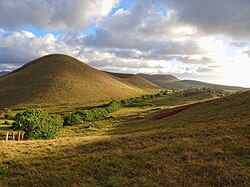
気候は温暖で、年間を通じて平均的な気温が維持されています。年間の平均降水量は約1,130mmで、特に4月から7月にかけて雨が多くなる傾向にあります。この限られた土地で、初期の定住者はサツマイモ(クマラ)などの伝統的な作物を主食として生活を営んでいました。
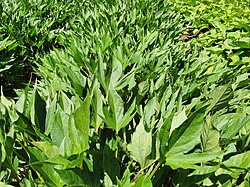
現在の領海および排他的経済水域(EEZ)は、チリの主権下にあり、近隣のサラス・イ・ゴメス島と共に管理されています。
![Easter Island or Rapa Nui and Salas y Gómez Island, Chile, its territorial waters and its extended continental shelf.[92] Exclusive Economic Zone and Continental Shelf Extended Continental Shelf](/images/86/83/868396daa19a3243bca123540551aab4226002afab709ca098e580a7c0cf5f75.png)
石造文化の頂点:モアイとアフ
この島の文化を象徴するのが、巨大な単一石から彫り出されたモアイです。これらは単なる彫像ではなく、先祖の霊が宿る聖なる存在として崇められていました。モアイの多くは、アフと呼ばれる石造りのプラットフォームの上に安置されており、多くは海を背にして村を見守るように配置されています。
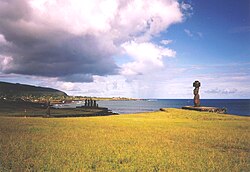
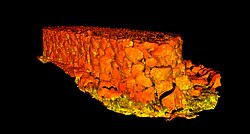
アフの構造は非常に精巧で、背面には高い擁壁があり、前面には玄武岩の平板(パエンガ)や赤いスコリア(火山礫)の装飾が施されていました。また、プラットフォームの前には「マライ」と呼ばれる舗装された広場が設けられていました。
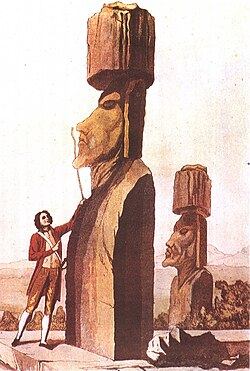
一部のモアイには、頭上に「プカオ」と呼ばれる赤い石の帽子のような装飾が載せられており、これは権威や社会的地位を象徴していたと考えられています。また、膝をついた珍しい形態の「トゥクトゥリ」のような特異な像も存在します。
歴史の変遷と外部との接触
ポリネシアからの定住と社会の変化
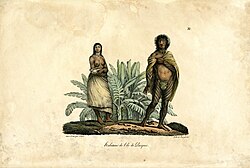
最新の研究では、西暦1200年頃にポリネシアの航海者たちがこの島に到達したとされています。彼らは独自の社会構造を築き、巨大な石像を建立する文化を発展させました。かつては「環境破壊による文明崩壊(エコサイド)」説が唱えられていましたが、近年では外部からの影響や適応能力に注目した批判的な視点も強まっています。
ヨーロッパ人の到来と激動の時代
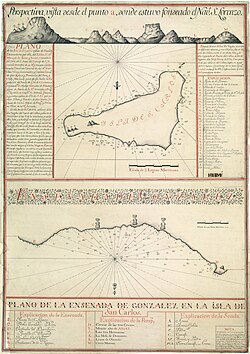
1722年にオランダのヤコブ・ロッヘフェーンが、復活祭(イースター)の日に島を発見したことで、世界にその存在が知られるようになりました。その後、スペインのゴンサレス・デ・アエドによる領有宣言や、フランスのラ・ペルーズによる訪問など、外部との接触が相次ぎました。
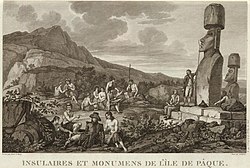
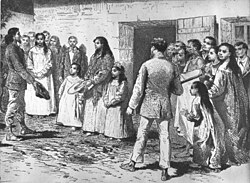
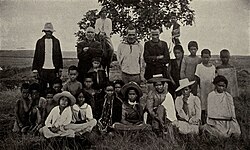
19世紀に入ると、キリスト教の布教が進み、住民の多くがカトリックに改宗しました。しかし、同時に奴隷貿易や外来の病気が人口に壊滅的な打撃を与え、伝統的な文化や知識が失われる危機に直面しました。
チリへの併合と現代への歩み
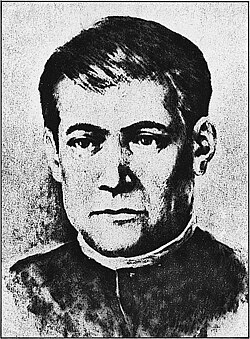
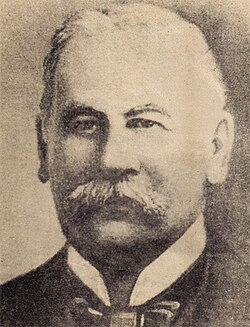
1888年、アタム・テケナ王によって島はチリ共和国に割譲されました。その後、チリ海軍による管理や、先住民の権利を保護しようとしたラファエル・エドワーズ・サラス司教などの活動を経て、現在の行政体制へと移行しました。
![Flag flown by Easter Islanders before 1902, taking the design of the national flag and incorporating elements representative of the locals, including Catholic symbols. It was found by the school ship Baquedano which took it to the museum of Valparaíso.[64]](/images/69/92/69923c76d9b0c4b10eb72b7553500b5f2343676ee5b234c53feb513941d042f1.jpg)
![Monsignor Rafael Edwards Salas sought to protect the Rapa Nui from private abuse with the help of the Chilean Navy and the powers he had as Vicar of the Military.[65][67]](/images/ba/5c/ba5c820c120a1bbb334f0cf4e89bec2282ceb1ace2ab10dd25627b9c649bf2ec.jpg)
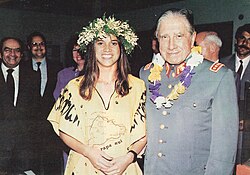
20世紀後半には、ピノチェト政権下での統治などを経て、次第にラパ・ヌイの人々による自決権や土地権利の運動が活発化しました。現在は、伝統文化の復興と観光業のバランスを取りながら、独自のアイデンティティを維持しています。
精神世界と芸術的遺産
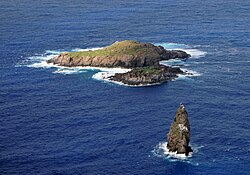
ラパ・ヌイの精神文化は、自然と先祖への深い崇敬に基づいています。特に「バードマン(鳥人)崇拝」は、モアイ建立時代以降に現れた重要な信仰であり、モトゥ・ヌイ島から卵を持ち帰る競争を通じて指導者が決定される仕組みでした。
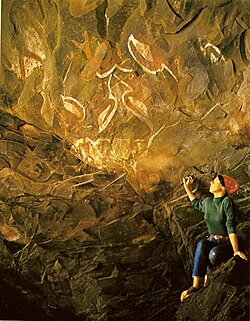
また、この島にはロンゴロンゴと呼ばれる独自の文字体系が存在します。木板に刻まれたこの文字は、現在も完全な解読に至っておらず、世界的な言語学的謎の一つとなっています。
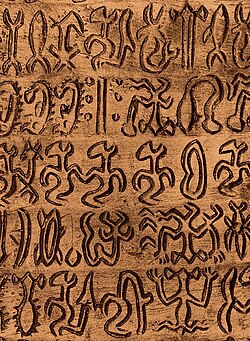
芸術面では、木彫りの像や、伝統的な楽器である「プ・オ・ヒロ(ヒロのトランペット)」などの石製エアロフォンが作られていました。現代でも「タパティ」という祭典を通じて、伝統的なスポーツやダンス、芸術が継承されています。
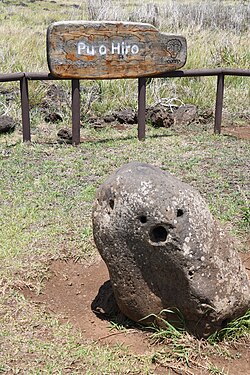
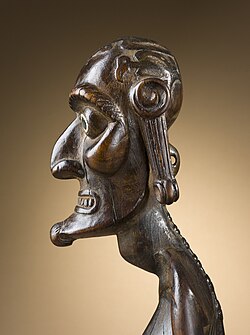
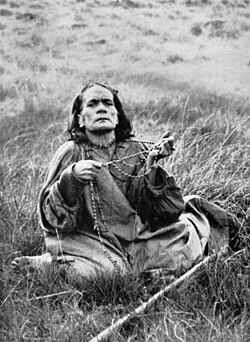

また、現代のラパ・ヌイでは「Manu Piri(愛と団結の象徴)」という概念が大切にされており、地域社会の絆を深めるスローガンとして用いられています。
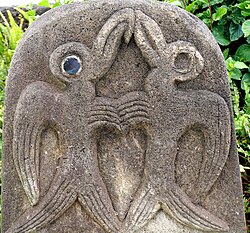
ラパ・ヌイ基本データまとめ
| 項目 | 詳細内容 |
|---|---|
| 面積 | 約163.6 km² |
| 人口 | 7,750人(2017年国勢調査) |
| 最高地点 | 507 m |
| 主要産業 | 観光業、漁業 |
| 行政区分 | チリ共和国 ヴァルパライソ州 イースター島特別地域 |
| 世界遺産登録年 | 1995年 |
Frequently Asked Questions
モアイ像はどのようにして運ばれたのですか?
伝統的な伝承では「歩いて移動した」と言われており、近年の研究では、像を紐で固定し、左右に揺らしながら前進させる方法で運搬されたという説が有力視されています。
ロンゴロンゴ文字は解読されていますか?
いいえ、完全な解読はまだなされていません。ポリネシアの言語的特徴を持ってはいますが、その意味を正確に読み解くことは現代の言語学者にとっても大きな挑戦となっています。
なぜ島から森林が消えたと言われているのですか?
かつてはモアイの運搬や農業、燃料のために木々が大量に伐採されたという説(エコサイド説)が一般的でしたが、最近では外来種のネズミによる種子の食害などが原因であるという説も唱えられています。
現在、島ではどのような言語が話されていますか?
公用語であるスペイン語に加え、先住民の言語であるラパ・ヌイ語が話されています。文化継承の一環として、ラパ・ヌイ語の保護と教育に力が入れられています。
バードマン崇拝とは何ですか?
モアイ建立時代に代わって現れた宗教的儀式で、毎年特定の時期に、海を渡って小さな島から最初に鳥の卵を持ち帰った者が、その年の島の政治的・宗教的指導者となる制度でした。
References
- "Censo de Población y Vivienda 2002". . Archived from the original on 15 July 2010. Retrieved 1 May 2010.
- "Censo 2017". (in Spanish). Archived from the original on 11 May 2018. Retrieved 11 May 2018.
- Hunt, T. (2006). "Rethinking the Fall of Easter Island". American Scientist. 94 (5): 412. :2006AmSci..94..412H. :10.1511/2006.61.1002.
Corrections in radiocarbon dating suggests that the first settlers arrived from other Polynesia islands around 1200 A.D.
- Dangerfield, Whitney (31 March 2007). "The Mystery of Easter Island". . Archived from the original on 1 May 2022. Retrieved 10 December 2020.
- Peiser, B. (2005). "From Genocide to Ecocide: The Rape of Rapa Nui" (PDF). Energy & Environment. 16 (3&4): 513–539. :2005EnEnv..16..513P. 10.1.1.611.1103. :10.1260/0958305054672385. 0958-305X. 155079232. Archived from the original (PDF) on 10 June 2010.
{{}}: Cite uses deprecated parameter|citeseerx=() - List of Chilean Provinces, Congreso Nacional, archived from the original on 10 September 2012, retrieved 20 February 2013
- "Instituto Nacional de Estadísticas – REDATAM Procesamiento y diseminación". Redatam-ine.ine.cl. Archived from the original on 27 May 2019. Retrieved 11 January 2019.
- "Welcome to Rapa Nui – Isla de Pascua – Easter Island", Portal RapaNui, the island's official website, archived from the original on 14 January 2012
- Thomas Brinkhoff (1 February 2013). "Pitcairn Islands". Citypopulation.de. Thomas Brinkhoff. Archived from the original on 15 October 2013. Retrieved 8 November 2013.
- P. Paine, Lincoln (2000). Ships of Discovery and Exploration. Houghton Mifflin Harcourt. p. 30. . Retrieved 15 September 2021.
📸 フォトギャラリー