土星の衛星の一つであるエンケラドゥスは、太陽系の中でも特に注目を集める天体です。一見するとただの白い氷の塊に見えますが、その内部には広大な海が隠されており、地球外生命が存在しうる条件を備えていると考えられています。
主要な事実(Key Facts)
- 発見: 1789年にウィリアム・ハーシェルによって発見されました。
- 特徴: 表面が非常に明るい氷で覆われており、高い反射率(アルベド)を持ちます。
- 内部構造: 氷の殻の下に、全球的な液体の水による海洋が存在します。
- 活動: 南極付近から水蒸気や有機物を含む巨大なプルーム(噴煙)を放出しています。
- 生命の可能性: 海底に熱水噴出孔が存在する可能性があり、エネルギー源と化学物質が揃っています。
発見の歴史と名称の由来
この小さな衛星を最初に捉えたのは、1789年8月28日のウィリアム・ハーシェルでした。

その後、ジョン・ハーシェルによって、土星の衛星にギリシャ神話のティタンや巨人の名を付けることが提案され、「エンケラドゥス」という名が与えられました。

物理的特性と軌道
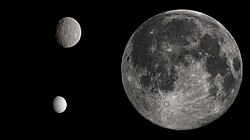
エンケラドゥスは半径約252kmという小規模な衛星ですが、その密度(約1.61g/cm³)から、岩石の核と氷の層で構成されていることが分かっています。土星の周囲をほぼ円形の軌道で公転しており、その周期は約1.37日です。
サイズを比較すると、地球の月や準惑星ケレスよりも遥かに小さいことが分かります。
氷の下に広がる未知の海洋
エンケラドゥスの最大の魅力は、氷の地殻の下に存在する内部海です。この海は衛星全体を覆っており、岩石の核と直接接していると考えられています。
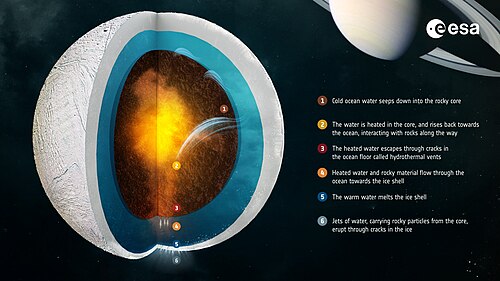
なぜ極寒の環境で水が液体のままでいられるのか。その理由は、土星の強力な重力によって衛星が伸び縮みし、内部で摩擦熱が発生する潮汐加熱(タイダルヒーティング)にあります。また、放射性崩壊による熱も寄与していると考えられています。
プルームと化学組成
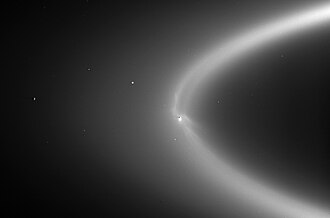
南極地域では、地殻の裂け目から水蒸気、二酸化炭素、メタン、そして複雑な有機化合物を含む物質が宇宙空間へ激しく噴出しています。これが土星のEリングの主要な供給源となっています。
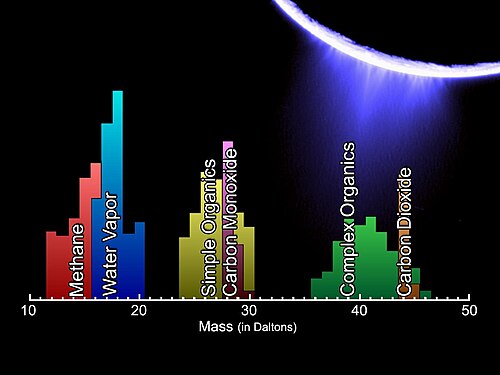
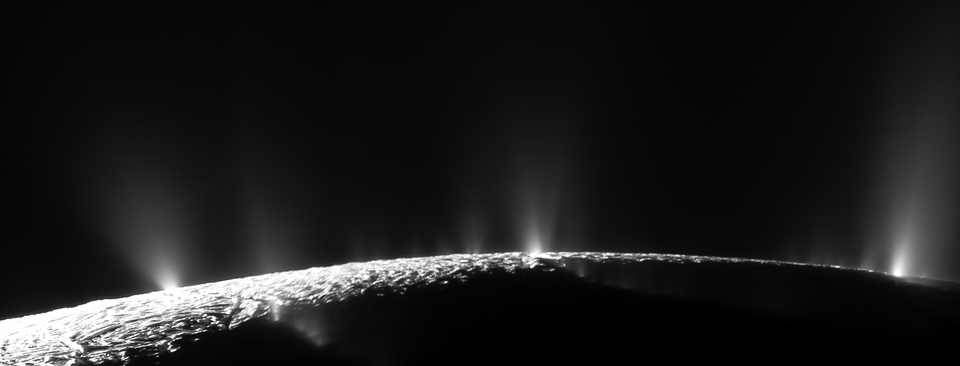
これらの噴出物の分析により、内部海が単なる水ではなく、生命に不可欠な化学成分を含んでいることが明らかになりました。
地質学的特徴と「タイガーストライプ」
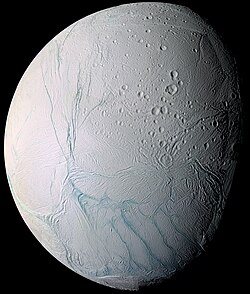
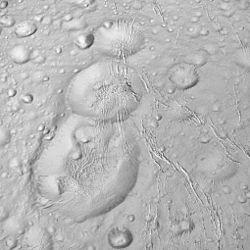
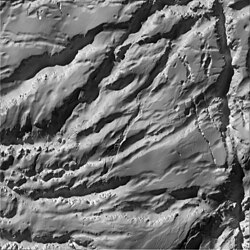
表面は非常に滑らかな平原と、激しい地殻変動を示す断層が混在しています。特に南極付近に見られる4本の巨大な裂け目は、その形状からタイガーストライプと呼ばれています。
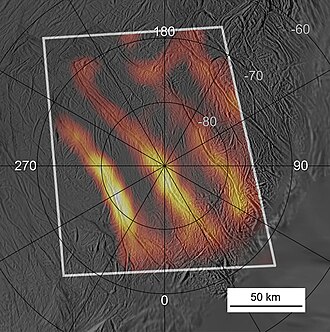
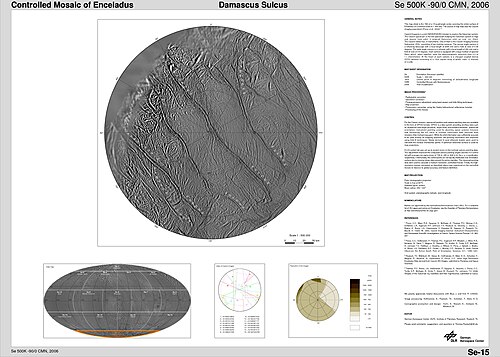
この領域は熱的に活性であり、内部の海から物質が噴き出す通路となっています。一方で、他の地域には衝突クレーターや複雑な尾根状の地形が見られます。
生命存在の可能性と探査
科学者たちが最も期待しているのが、海底における熱水活動です。地球の深海にある熱水噴出孔のように、化学エネルギーを利用して生命が生存できる環境が整っている可能性があります。
![An artist's impression of possible hydrothermal activity on Enceladus's ocean floor[33]](/images/91/59/915951c2b5dd9633f28ca61ba3cb48deabcbbe854f31ab138cade8017f8f75b2.jpg)
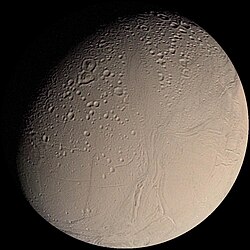
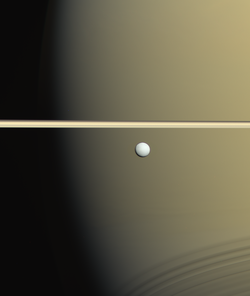
これまでの探査は、ボイジャー計画やカッシーニ探査機によって行われてきました。特にカッシーニは、プルームの中を直接飛行して成分を分析するという快挙を成し遂げました。
今後のミッション案
現在、NASAやESA(欧州宇宙機関)などで、生命の痕跡を直接探るための着陸機やオービターの計画が検討されています。例えば「Enceladus Orbilander」などのコンセプトが提案されており、将来的な生命発見への期待が高まっています。
エンケラドゥスの基本データまとめ
| 項目 | 数値・詳細 |
|---|---|
| 平均半径 | 約 252.1 km |
| 平均密度 | 1.6097 g/cm³ |
| 表面温度(平均) | 約 75 K (−198 °C) |
| 公転周期 | 1.370218 日 |
| 主な構成成分 | 水氷、岩石、有機物 |
| 大気組成 | 水蒸気(91%)、窒素(4%)、二酸化炭素(3.2%)、メタン(1.7%) |
Frequently Asked Questions
エンケラドゥスに生命がいると言われる理由は?
液体の水(内部海)、エネルギー源(潮汐加熱による熱)、そして有機化合物という、生命に不可欠な3つの要素がすべて揃っているためです。特に海底の熱水活動は、地球の生命誕生の場に似ていると考えられています。
「タイガーストライプ」とは何ですか?
エンケラドゥスの南極付近にある、虎の縞模様のような4本の巨大な断層のことです。ここから内部の海の水やガスが宇宙空間へ噴出しています。
なぜ表面が真っ白に見えるのですか?
表面が非常に純度の高い氷で覆われており、太陽光を効率よく反射するためです。このため、太陽系の中でも極めて高いアルベド(反射率)を持つ天体の一つとなっています。
カッシーニ探査機は何を明らかにしましたか?
南極からのプルームの発見、氷の下に全球的な海洋が存在すること、そしてその海に有機物や塩分が含まれていることを突き止め、生命居住可能性を強く示唆しました。
References
- Photograph of Enceladus, taken by the narrow-angle camera of the aboard , during the spacecraft's October 28, 2015, flyby. It shows the younger terrain of and , populated with many grooves () and depressions (). Older, cratered terrain can be seen towards Enceladus's north pole. The prominent feature visible near the south pole is Cashmere Sulci.
- Without samples to provide absolute age determinations, crater counting is currently the only method for determining surface age on most planetary surfaces. Unfortunately, there is currently disagreement in the scientific community regarding the flux of impactors in the outer Solar System. These competing models can significantly alter the age estimate even with the same crater counts. For the sake of completeness, both age estimates from are provided.
📸 フォトギャラリー