The linguistic landscape of central Italy at the beginning of Roman expansion
← ホームへ戻る

ラテン語の歴史と遺産古代ローマから現代まで続く言語の旅

かつてイタリアの中央部、ラティウム地方で生まれたラテン語は、単なる古代の言葉に留まらず、西洋文明の根幹を形作った知的基盤です。ローマ帝国の拡大とともに、この言語は地中海世界全域へと広がり、法、政治、宗教、そして科学の共通言語として君臨しました。現在では日常的に話される「生きた言語」としての地位は失われましたが、その影響は現代の多くの言語や文化の中に深く刻み込まれています。

初期のラテン語は、イタリア半島における言語的な多様性の中で発展しました。
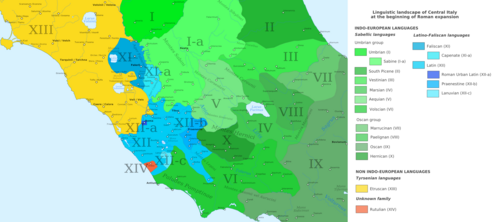
The linguistic landscape of central Italy at the beginning of Roman expansion

Key Facts

  • 系統:印欧語族イタリック語派のラテン・ファリスカーン語群に属する。
  • 分布:古代ローマの拡大に伴い、地中海沿岸の広範な地域で公用語となった。
  • 後継:俗ラテン語から発展し、フランス語、イタリア語、スペイン語などのロマンス諸語を生んだ。
  • 現代の地位:バチカン市国の公用語であり、学術、法学、宗教的な文脈で利用され続けている。
  • 表記:世界で最も普及しているラテン文字(アルファベット)の起源である。

ラテン語の変遷と歴史的段階

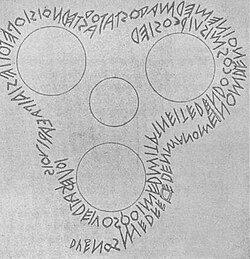
ラテン語は時代とともにその姿を変えてきました。最古の形態である古ラテン語は、紀元前7世紀頃から見られ、初期の碑文には右から左へ書く形式や、行ごとに方向を変える「ブストロフェドン」という書き方が採用されていました。
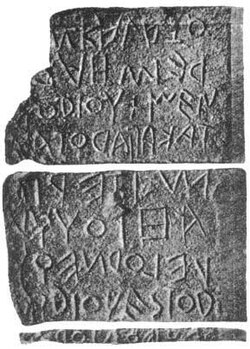
The Lapis Niger, probably the oldest extant Latin inscription, from Rome, c. 600 BC during the semi-legendary Roman Kingdom
The Duenos Inscription, from the 6th century BC, is one of the earliest known Old Latin texts. It was found on the Quirinal Hill in Rome.

その後、ローマ共和国の黄金時代に洗練されたのが古典ラテン語です。ユリウス・カエサルの著作に見られるような、簡潔で都会的な文体は、当時の教養ある市民の標準的な書き言葉となりました。
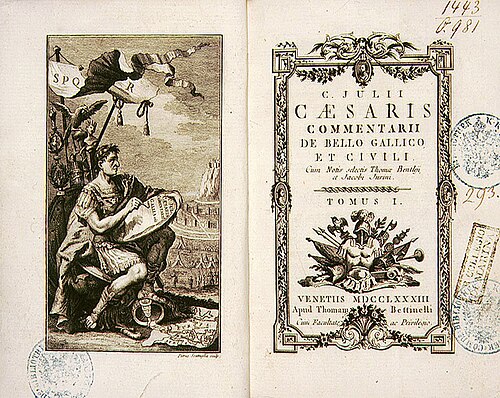
Julius Caesar's Commentarii de Bello Gallico is one of the most famous classical Latin texts of the Golden Age of Latin. The unvarnished, journalistic style of this patrician general has long been taught as a model of the urbane Latin officially spoken and written in the floruit of the Roman Republic.

一方で、一般市民が日常的に使用していたのは俗ラテン語と呼ばれる口語体でした。この俗ラテン語が地域ごとに分化し、後のロマンス諸語へと進化していきます。中世に入ると、キリスト教の普及とともに中世ラテン語へと移行し、ヨーロッパ全土の教会や大学で知識人の共通語として機能しました。
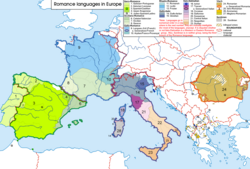
Range of the Romance languages, the modern descendants of Latin, in Europe

ルネサンス期には、古典への回帰により新ラテン語(Neo-Latin)が発展しました。印刷術の普及により、15世紀の書籍の多くは依然としてラテン語で出版されており、学問の伝達において不可欠な役割を果たしていました。

The Latin Malmesbury Bible, from 1407
Most 15th-century printed books (incunabula) were in Latin, with the vernacular languages playing only a secondary role.[22]

現代におけるラテン語の役割

現代において、ラテン語は日常会話ではなく、象徴的な意味や専門的な用途で活用されています。例えば、バチカン市国では今なお公用語としての地位を保っており、宗教儀式や公式文書で使用されています。また、欧州連合(EU)の一部の機関では、特定の国に偏らない中立的な象徴として、ロゴなどにラテン語を採用しています。

The polyglot European Union has adopted Latin names in the logos of some of its institutions for the sake of linguistic compromise, an "ecumenical nationalism" common to most of the continent and as a sign of the continent's heritage (such as the EU Council: Consilium).

さらに、世界中の軍事組織や国家のモットー(標語)として、ラテン語の簡潔で力強い表現が好まれています。アメリカ合衆国の各州や、イギリス空軍(RAF)、アメリカ海兵隊などの組織が、伝統と誇りを象徴する言葉としてラテン語を掲げています。

A large WWI memorial gate in Nottingham UK reading: "Virtue survives death" or "Virtue outlives death."[45]

また、歴史的な記憶を留めるための表示として、イギリスのウォールセンド・メトロ駅のように、ローマ時代の拠点であったことを記念して英語とラテン語を併記している例も見られます。
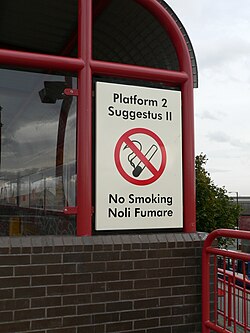
The signs at Wallsend Metro station are in English and Latin, as a tribute to Wallsend's role as one of the outposts of the Roman Empire, as the eastern end of Hadrian's Wall (hence the name) at Segedunum.

言語学的特徴と構造

ラテン語は高度に屈折する言語であり、名詞の格変化や動詞の活用が非常に複雑です。例えば、名詞には5つの格変化(曲用)があり、語尾の変化によって文中での役割(主語、所有、目的語など)が決定されます。
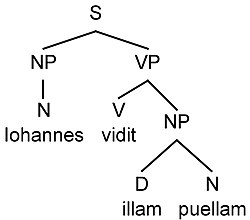
An educational diagram displaying the syntax of the Latin sentence Iohannes vidit illam puellam with nodes representing John, sees, and girl, aiding in understanding language structure.

音韻面では、古典期には母音の長短が意味を分ける重要な要素となっていました。また、表記法も時代によって異なり、初期の文字から現代の教科書で見られるマクロン(長音記号)付きの表記まで、多様な変遷を辿っています。

手書きの文書においては、ヴィンドランダ書簡に見られるような「ローマ・カーシヴ(草書体)」が用いられており、当時の実用的な筆記スタイルを今に伝えています。
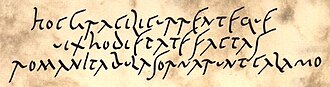
A modern Latin text written in the Old Roman Cursive inspired by the Vindolanda tablets, the oldest surviving handwritten documents in Britain. The word Romani 'Romans' is at bottom left.

ラテン語の数詞とローマ数字

現代でも時計や章番号などで使われるローマ数字は、ラテン語の数詞に基づいています。

ラテン語の基本数詞とローマ数字
ラテン語 ローマ数字 意味
ūnus I 1
duo II 2
trēs III 3
quattuor IV / IIII 4
quīnque V 5
decem X 10
centum C 100
mīlle M 1,000

世界言語への影響

ラテン語の最大の遺産は、現代の言語への影響です。特に英語においては、中世の教会用語やノルマン征服後のフランス語経由で膨大な数の単語が流入しました。16世紀から18世紀にかけては、学術的な必要性からラテン語やギリシャ語を組み合わせた造語(インクホーン・ターム)が大量に作られ、その一部が現代英語に定着しています。

語彙の統計を見ると、英語の語彙の約59%がロマンス諸語(ラテン語由来)に由来しており、ドイツ語(20%)やオランダ語(14%)にも強い影響を与えています。

また、学術的な研究においては、今なお膨大な量のラテン語文献が保存されており、大学の図書館には巨大なラテン語辞典が収蔵されています。
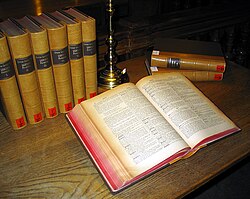
A multivolume Latin dictionary in the University of Graz Library in Austria

東ローマ帝国(ビザンツ帝国)においても、日常語はギリシャ語に取って代わられましたが、貨幣の刻印や儀式的な場面では11世紀頃までラテン語が使用され続けていました。

A 9th century Byzantine coin showing emperor Michael III and his then-junior colleague Basil I with the Latin titles "imperator" and "rex", respectively. Although spoken Latin had largely disappeared in the Eastern Roman Empire by that time, it was occasionally still used on coinage and in ceremonies until at least the 11th century.

Frequently Asked Questions

ラテン語は現在でも誰が話しているのですか?

日常会話として第一言語とする人は存在しませんが、バチカン市国の公用語として、また世界中の学者、神学者、ラテン語愛好家によって、書き言葉や儀式的な話し言葉として利用されています。

英語にどのような影響を与えましたか?

英語の語彙の半分以上がラテン語やその派生語(フランス語など)に由来しています。特に法学、医学、科学などの専門用語の多くはラテン語に基づいています。

ロマンス諸語とは何ですか?

俗ラテン語が地域的に分化して発展した言語の総称です。代表的なものに、イタリア語、フランス語、スペイン語、ポルトガル語、ルーマニア語などがあります。

ラテン語を学ぶメリットは何ですか?

西洋文化の根源である古典文学に直接触れられるほか、ロマンス諸語の習得が容易になり、英語の高度な語彙力を身につける助けになります。

ローマ数字はラテン語と関係がありますか?

はい、密接に関係しています。ローマ数字はラテン語の数詞体系に基づいて作られており、古代ローマの行政や商業で広く使われていました。

References

  1. Latin pronunciation: ,

📸 フォトギャラリー

The linguistic landscape of central Italy at the beginning of Roman expansion
The Lapis Niger, probably the oldest extant Latin inscription, from Rome, c. 600 BC during the semi-legendary Roman Kingdom
A 9th century Byzantine coin showing emperor Michael III and his then-junior colleague Basil I with the Latin titles "imperator" and "rex", respectively. Although spoken Latin had largely disappeared in the Eastern Roman Empire by that time, it was occasionally still used on coinage and in ceremonies until at least the 11th century.
The Latin Malmesbury Bible, from 1407
Most 15th-century printed books (incunabula) were in Latin, with the vernacular languages playing only a secondary role.[22]
The signs at Wallsend Metro station are in English and Latin, as a tribute to Wallsend's role as one of the outposts of the Roman Empire, as the eastern end of Hadrian's Wall (hence the name) at Segedunum.
The polyglot European Union has adopted Latin names in the logos of some of its institutions for the sake of linguistic compromise, an "ecumenical nationalism" common to most of the continent and as a sign of the continent's heritage (such as the EU Council: Consilium).
Julius Caesar's Commentarii de Bello Gallico is one of the most famous classical Latin texts of the Golden Age of Latin. The unvarnished, journalistic style of this patrician general has long been taught as a model of the urbane Latin officially spoken and written in the floruit of the Roman Republic.
A large WWI memorial gate in Nottingham UK reading: "Virtue survives death" or "Virtue outlives death."[45]
Range of the Romance languages, the modern descendants of Latin, in Europe
A multivolume Latin dictionary in the University of Graz Library in Austria
The Duenos Inscription, from the 6th century BC, is one of the earliest known Old Latin texts. It was found on the Quirinal Hill in Rome.
A modern Latin text written in the Old Roman Cursive inspired by the Vindolanda tablets, the oldest surviving handwritten documents in Britain. The word Romani 'Romans' is at bottom left.
An educational diagram displaying the syntax of the Latin sentence Iohannes vidit illam puellam with nodes representing John, sees, and girl, aiding in understanding language structure.