古代ローマに端を発するローマ数字は、中世後期に至るまでヨーロッパで広く利用されていた数記数法です。現代では日常的な計算に用いられることは稀ですが、時計の文字盤や記念碑の年号、映画のクレジットなど、装飾的・伝統的な文脈で今なお生き続けています。
このシステムの根幹にあるのは「加算原理」です。特定の価値を持つ記号を並べ、それらを合計することで数値を表現します。現代の標準的な形式では、ラテンアルファベットの7つの文字が使用されています。
Key Facts
- 基本記号: I(1), V(5), X(10), L(50), C(100), D(500), M(1000) の7種類で構成される。
- 基本ルール: 基本は記号の合計で数値を表すが、小さい数字を大きい数字の前に置くと「引き算(減算表記)」になる。
- ゼロの不在: 位取りのない記数法であるため、「0」を表す専用の記号が存在しない。
- 現代の用途: 時計、建築物の年号、音楽の理論、国家の立法会期などの表記に利用される。
ローマ数字の基本構造と書き方
ローマ数字では、記号を組み合わせて数値を構築します。例えば「XXVII」は 10+10+5+1+1 となり、27を意味します。一方で、効率的に表記するために減算表記というルールが導入されています。これは、V(5)やX(10)などの大きな記号の前にI(1)を置くことで、その差分を表現する方法です(例:IV = 4, IX = 9)。
この減算ルールが適用されるのは、主に 4, 9, 40, 90, 400, 900 のケースに限定されています。それ以外の数値は、基本的に大きい記号から順に並べて加算します。
| 数値 | 千の位 | 百の位 | 十の位 | 一の位 |
|---|---|---|---|---|
| 1 | M | C | X | I |
| 2 | MM | CC | XX | II |
| 3 | MMM | CCC | XXX | III |
| 4 | - | CD | XL | IV |
| 5 | - | D | L | V |
| 6 | - | DC | LX | VI |
| 7 | - | DCC | LXX | VII |
| 8 | - | DCCC | LXXX | VIII |
| 9 | - | CM | XC | IX |
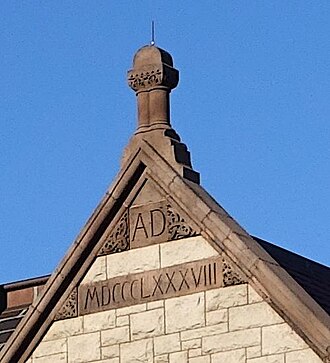
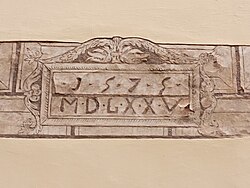
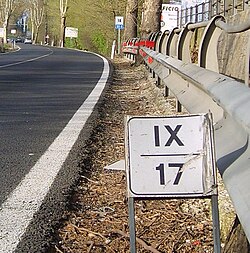
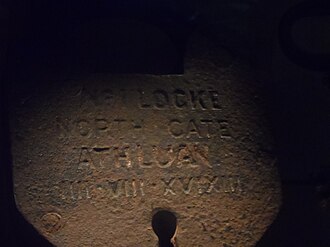
現代の建築物では、こうした標準的な表記が年号として刻まれていることが多くあります。
非標準的な表記とバリエーション
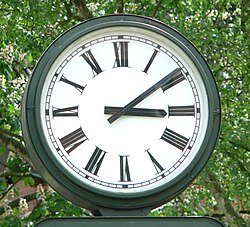
歴史的な文書や特定の製品では、標準とは異なる書き方が見られます。例えば、時計の文字盤では「4」をIVではなくIIIIと表記することが一般的です。
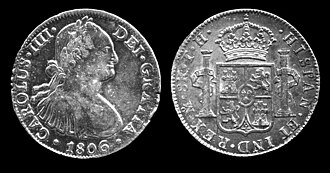
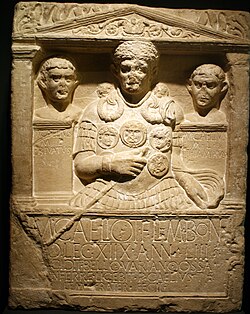
また、古い時代の碑文や手書き文書では、独自の省略形や代替文字が使われていました。例えば、4を「IIII」と書く古い形式や、特定の文字を別の記号で代用する中世の慣習が存在しました。

特殊な数値表現:ゼロ・分数・巨大数
「ゼロ」の扱い
ローマ数字は位取り制ではないため、桁を埋めるための「0」という概念がありませんでした。古代ローマ人はゼロを記号で表さず、必要に応じて「nulla(何もない)」というラテン語を用いて表現していました。中世になると、nullaの頭文字である「N」がゼロの代わりに使用される例が現れました。
分数の表記法
ローマ時代の分数は、主に12分の1(ウンキア)を基準とした12進法で管理されていました。特に「S」という記号は 1/2(セミス)を意味し、非常に重要な役割を果たしていました。その他の端数は点(・)を用いて表現されていました。

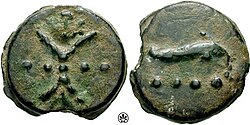
さらに詳細な分数表記として、1/288や1/1728といった非常に小さな単位を指す特殊な記号も存在していました。
巨大な数の表現方法
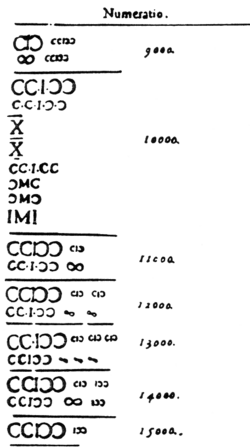
数千を超える大きな数値を表すために、いくつかの手法が開発されました。一つはヴィンクルム(Vinculum)と呼ばれる手法で、数字の上に横線を引くことでその値を1,000倍にする方法です。もう一つはアポストロフス(Apostrophus)という、CやIを組み合わせた特殊な曲線記号を用いる古い形式です。

歴史的背景と現代への継承
ローマ数字のルーツは、エトルリア人の数記号にあります。エトルリア人は右から左へ文字を書いていたため、現代の視点で見るとローマ数字の並び順が逆転して見えますが、基本となる加算の仕組みはそのまま受け継がれました。
14世紀頃から、より計算効率の高いヒンドゥー・アラビア数字(現代の0-9)への移行が始まりましたが、ローマ数字は完全に消え去ることはありませんでした。現在でも、以下のような場面で活用されています。
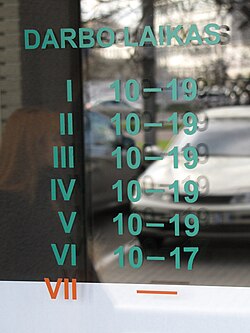
- 公的な日付表記: ヨーロッパの一部の地域では、日をアラビア数字、月をローマ数字で表記する習慣があります。
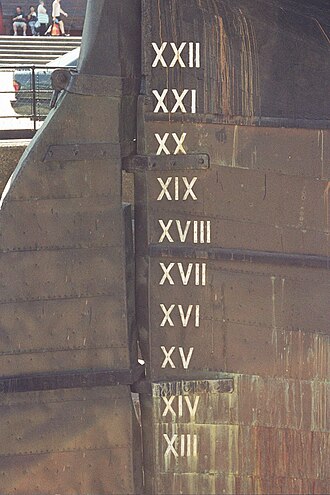
- 制度的な名称: イタリアの議会会期(例:第XVIII立法会期)など、組織の代数を示す際に使われます。
- 音楽理論: コード進行やスケールの分析において、度数を表すために用いられます。
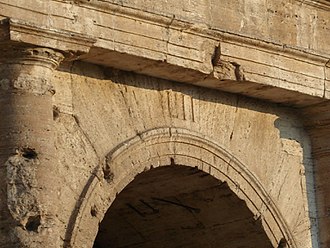
また、歴史的な遺構や軍のエンブレムなどにも、その威厳ある外見から好んで採用されています。

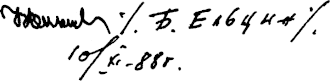
さらに、日常的なサインや日付の署名など、個人の習慣としてローマ数字を混ぜて使う例も世界各地で見られます。
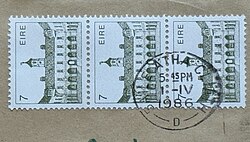
このように、ローマ数字は単なる古い計算手段ではなく、文化的な象徴や特定の機能を持つ表記体系として、現代社会に溶け込んでいます。

![Excerpt from Bibliothèque nationale de France.[34] The Roman numeral for 500 is rendered as CV, instead of D.](/images/34/9a/349a468fb90a29cda1af3cad0ba29c2c556e6c2b08924feffcbecb7eeb90862d.png)
Frequently Asked Questions
なぜ時計の「4」はIVではなくIIIIと書かれることが多いのですか?
これは視覚的なバランスを整えるためや、歴史的な慣習によるものです。対面にある「VIII(8)」との視覚的な対称性を保つため、あるいは古い時代の表記法がそのまま残ったためと考えられています。
ローマ数字で「0」を表現する方法はありますか?
古代ローマ数字には「0」に相当する記号は存在しません。中世になってから、ラテン語で「何もない」を意味するnullaの頭文字「N」が代用されることがありましたが、標準的な記号体系には組み込まれていません。
減算表記(IVやIXなど)はいつから使われるようになったのですか?
初期のローマ数字では「IIII」や「VIIII」のように単純な加算のみで表記されていましたが、次第に短く効率的に書くための減算表記が普及しました。ただし、現代でも古い形式が併用されることがあります。
非常に大きな数字(数万以上)はどうやって表記しますか?
一般的には、数字の上に横線(ヴィンクルム)を引くことで、その数値を1,000倍にする方法が用いられます。また、歴史的にはアポストロフスと呼ばれる特殊な記号の組み合わせで大きな数を表現していました。
現代の年号をローマ数字で書く際のルールは?
千の位から順に、標準的な加算・減算ルールに従って記述します。例えば2026年は、2000を表す「MM」に26を表す「XXVI」を加えて「MMXXVI」となります。
References
- IV and IX not only have fewer characters than IIII and VIIII, but are less likely to be confused (especially at a quick glance) with III and VIII.[]
- This is the Coordinated Universal Time (UTC) year in which Wikipedia's cache of this page was last updated, so may be a few hours out of date.
- once mentioned an "interesting theory" that Romans avoided using IV because it was the initial letters of IVPITER, the Latin spelling of , and might have seemed . He did not say whose theory it was.
- XIII = 13 × 100,000 = 1,300,000 and XXXII = 32 × 1000 = 32,000, so 'XIII XXXII = 1,332,000. p. is a common abbreviation for passus, paces, the Romans counting a pace as two steps.
📸 フォトギャラリー