私たちの世界の根源的な構成要素である原子のさらに中心には、陽子と中性子からなる原子核が存在します。この極小の領域では、強力な核力が働き、物質の安定性を決定づけています。しかし、すべての原子核が安定しているわけではありません。不安定な核は、自らエネルギーを放出してより安定した状態へと移行しようとします。これが「放射性崩壊」と呼ばれる現象であり、現代の科学や医療、年代測定において不可欠な知見となっています。
かつてピエール・キュリーとマリー・キュリーのような先駆者たちは、パリの質素な研究室で放射能の正体を追い求め、科学の歴史を塗り替えました。

Key Facts
- 放射性崩壊とは、不安定な原子核が粒子や電磁波を放出して別の核に変化する過程である。
- 主な崩壊形式には、アルファ(α)崩壊、ベータ(β)崩壊、ガンマ(γ)崩壊がある。
- 半減期は、放射性物質の量が元の半分になるまでの時間であり、物質ごとに固有の値を持つ。
- 原子番号83(ビスマス)以上の元素は、すべての同位体が放射性である。
- 核の安定性は、陽子数と中性子数の比率(p-n比)や結合エネルギーによって決まる。
放射線の種類と透過力の違い
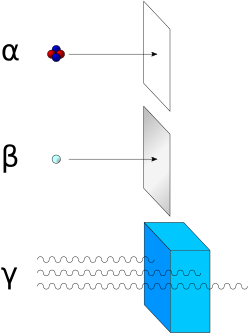
放射性崩壊によって放出される放射線は、その性質によって大きく3つのタイプに分類されます。アーネスト・ラザフォードは、物質を透過する能力の差に基づいてこれらに名称を与えました。
まず、アルファ粒子はヘリウムの原子核に相当し、質量が大きいため透過力は低く、紙一枚で遮断可能です。次に、ベータ粒子は高速の電子(または陽電子)であり、アルミニウム板などで遮蔽できます。そして、ガンマ線は高エネルギーの電磁波であり、非常に強い透過力を持つため、厚い鉛やコンクリートによる遮蔽が必要です。
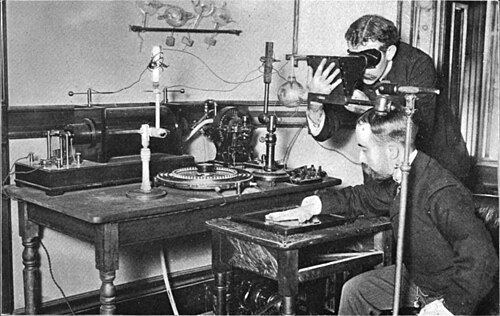
初期のX線研究では、クロックス管などの装置が使われていましたが、当時は放射線被曝の危険性が十分に認識されておらず、無防備な状態で実験が行われていた時代もありました。
原子核の安定性と崩壊のパターン
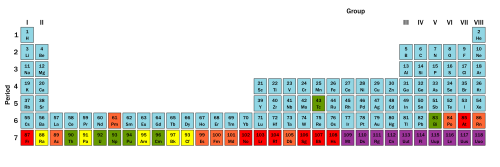
原子核が安定して存在できるかどうかは、核内の陽子と中性子のバランスに依存します。この関係を視覚化したものが「安定性の谷」であり、この領域から外れた核は不安定となり、崩壊を開始します。
崩壊のプロセスは多岐にわたります。例えば、重い核がアルファ粒子を放出するアルファ崩壊や、中性子が陽子に(あるいはその逆に)変化するベータ崩壊があります。また、励起状態にある核が余分なエネルギーを光として放出するのがガンマ崩壊です。これらのプロセスは、強い相互作用、弱い相互作用、電磁相互作用という物理学の基本相互作用に基づいています。
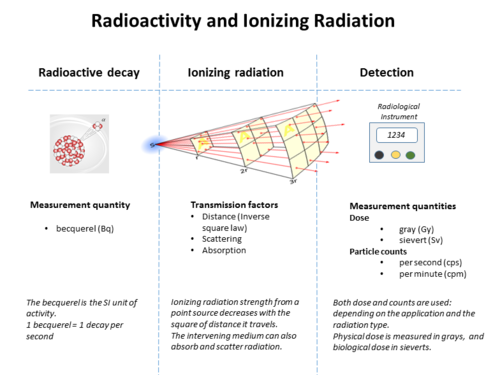
多様な崩壊モードの分類
単純な崩壊だけでなく、電子捕獲や自発核分裂、さらには複数の粒子を同時に放出する複雑なモードも存在します。ある種の核種は、複数の崩壊経路を同時に持つこともあり、確率的に異なる娘核へと変化します。
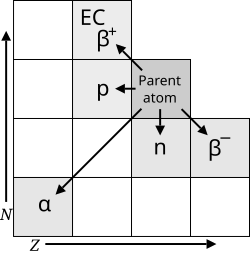
崩壊連鎖と時間的変化
放射性物質が一度崩壊して安定な状態になるとは限りません。崩壊してできた「娘核」がさらに不安定であれば、それは再び崩壊し、最終的に安定な核に到達するまで連鎖的に変化し続けます。これを崩壊連鎖と呼びます。
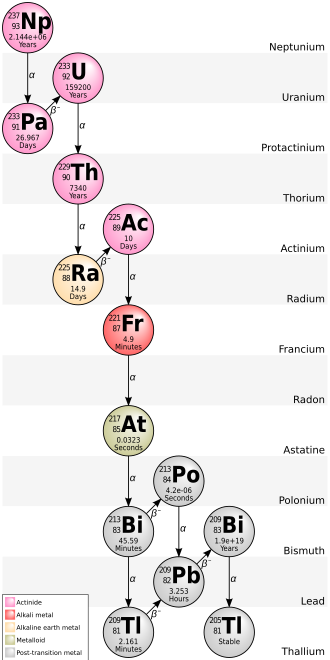
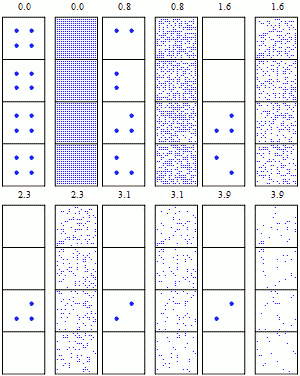
この崩壊の速度を定量的に示すのが半減期です。放射性崩壊は確率的な現象であるため、個々の原子がいつ崩壊するかを予測することはできませんが、大量の原子が集まった集団としては、指数関数的に減少するという一定の法則に従います。
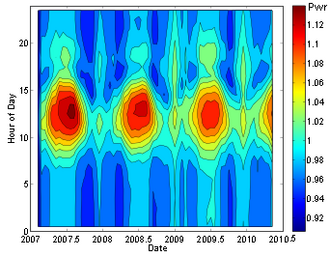
また、放射線検出器の応答には、日次や季節的な変動が見られる場合があり、これは外部環境や宇宙線などの影響を分析する上で重要なデータとなります。
核物理学の概要まとめ
| 概念 | 説明 | 主な特徴 |
|---|---|---|
| 同位体 (Isotopes) | 陽子数が同じで中性子数が異なる核 | 化学的性質はほぼ同じ |
| 半減期 (Half-life) | 放射能が半分に減少する期間 | 核種ごとに固有の定数 |
| 結合エネルギー | 核を構成する粒子を結びつけるエネルギー | 安定性の指標となる |
| 核分裂 (Fission) | 重い核が2つ以上の軽い核に分かれる現象 | 膨大なエネルギーを放出 |
| 核融合 (Fusion) | 軽い核が合体して重い核になる現象 | 恒星のエネルギー源 |
Frequently Asked Questions
放射性崩壊は人工的に止めることはできますか?
一般的に、放射性崩壊は原子核内部の性質によって決まるため、化学反応や温度変化などの外部要因で止めることはできません。ただし、一部の特殊な条件下(完全電離状態など)では、崩壊速度が変化することが研究で示されています。
なぜアルファ線よりもガンマ線の方が危険と言われるのですか?
透過力が極めて高いためです。アルファ線は皮膚の表面で止まりますが、ガンマ線は体を容易に透過し、内部組織にまで到達して電離作用を引き起こすため、遮蔽が困難であり注意が必要です。
半減期が非常に長い物質は、実質的に安定していると言えますか?
はい。例えばビスマス209のように、半減期が宇宙の年齢を大幅に上回る物質は、実用的な観点からは「安定核種」として扱われます。
核融合と核分裂の根本的な違いは何ですか?
核分裂は重い原子核(ウランなど)が分かれる反応であり、核融合は軽い原子核(水素など)が合体する反応です。どちらも質量欠損に伴う莫大なエネルギーを放出しますが、反応の方向性が正反対です。
同位体とは具体的にどのようなものですか?
同じ元素(陽子数が同じ)でありながら、中性子の数が異なる原子のことです。化学的な性質はほぼ同一ですが、原子量や核の安定性が異なるため、放射性同位体として医療診断や年代測定に利用されます。
References
- "Radioactivity: Weak Forces". Radioactivity. EDP Sciences. Archived from the original on 12 August 2021. Retrieved 4 March 2020.
- Stabin, Michael G. (2007). "3". In Stabin, Michael G. (ed.). Radiation Protection and Dosimetry: An Introduction to Health Physics. . :10.1007/978-0-387-49983-3. .
- Best, Lara; Rodrigues, George; Velker, Vikram (2013). "1.3". Radiation Oncology Primer and Review. . .
- Loveland, W.; Morrissey, D.; (2006). Modern Nuclear Chemistry. Wiley-Interscience. p. 57. :2005mnc..book.....L. .
- Radvanyi, Pierre; Villain, Jacques (November 2017). "The discovery of radioactivity". Comptes Rendus. Physique. 18 (9–10): 544–550. :2017CRPhy..18..544R. :10.1016/j.crhy.2017.10.008.
- Mould, Richard F. (1995). A century of X-rays and radioactivity in medicine : with emphasis on photographic records of the early years (Reprint. with minor corr ed.). Bristol: Inst. of Physics Publ. p. 12. .
- Henri Becquerel (1896). "Sur les radiations émises par phosphorescence". Comptes Rendus. 122: 420–421.
- Comptes Rendus 122: 420 (1896), translated by Carmen Giunta. Retrieved 12 April 2021.
- Henri Becquerel (1896). "Sur les radiations invisibles émises par les corps phosphorescents". Comptes Rendus. 122: 501–503.
- Comptes Rendus 122: 501–503 (1896), translated by Carmen Giunta. Retrieved 12 April 2021.
📸 フォトギャラリー