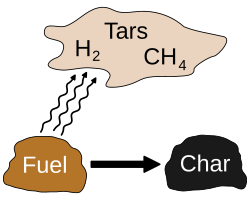
熱分解(パイロリシス)とは、酸素が存在しない不活性な環境下で、熱を加えることにより有機物の共有結合を切断し、化学的に分解させるプロセスです。この技術は、単に物を燃やす「燃焼」とは異なり、酸素を遮断することで物質をガス、液体、そして炭素を主成分とする固形物へと分離させることができます。
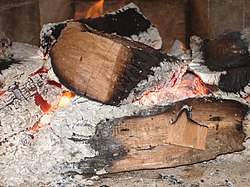
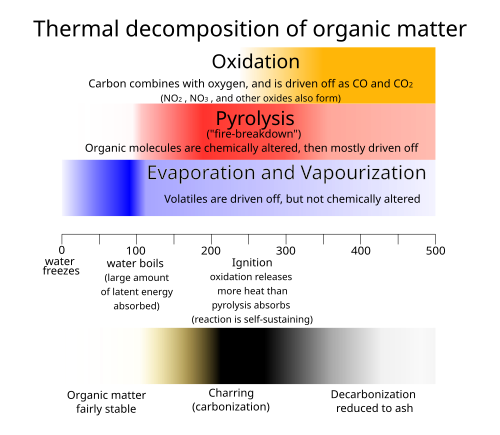
自然界における木材の燃焼プロセスにおいても、実際に火がつく前の段階でこの熱分解が起こっています。熱によって揮発成分が放出され、その後に酸化燃焼へと移行します。
Key Facts
- 定義:無酸素状態で熱を加え、有機物を分解して分離させる化学プロセス。
- 生成物:主に「バイオオイル(液体)」「バイオ炭(固体)」「合成ガス(気体)」の3種類が得られる。
- 炭化:極限まで熱分解を進め、残渣をほぼ純粋な炭素にする工程。
- 多様な用途:燃料製造から炭素繊維の合成、半導体製造、廃棄物リサイクルまで幅広く活用されている。
熱分解のメカニズムと種類
熱分解の結果として得られる物質の割合は、加熱温度、加熱速度、蒸気の滞留時間、および原料のサイズによって大きく変動します。目的とする生成物(液体・固体・気体)に応じて、以下の異なる手法が使い分けられます。
低速・中速・高速熱分解の特性
例えば、比較的低い温度でゆっくりと加熱する「低速熱分解」では、固形分であるバイオ炭が多く得られます。一方で、非常に高い加熱速度で行う「フラッシュ熱分解」では、液体のバイオオイルの収率が最大化されます。
| 種類 | 温度範囲 | 加熱速度 | 主な生成物(収率) |
|---|---|---|---|
| 低速熱分解 | 250–450 °C | 0.1–1 °C/s | バイオ炭 (~35%)、ガス (~35%) |
| 中間熱分解 | 600–800 °C | 1.0–10 °C/s | バイオオイル (~50%) |
| 高速熱分解 | 250–450 °C | 10–200 °C/s | バイオオイル (~50%) |
| フラッシュ熱分解 | 800–1000 °C | >1000 °C/s | バイオオイル (~75%) |
| 高温熱分解 | 800–1150 °C | 0.1–1 °C/s | ガス (~45%)、バイオオイル (~43%) |
バイオマスを原料とする場合、成分ごとに分解温度が異なります。ヘミセルロースは210〜310°C、セルロースは300〜380°C、そしてリグニンは200°Cから始まり1000°Cまで幅広く分解が進行します。
産業における具体的な活用事例
燃料および炭素材料の製造
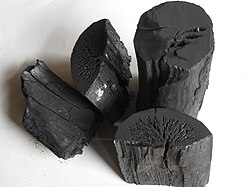
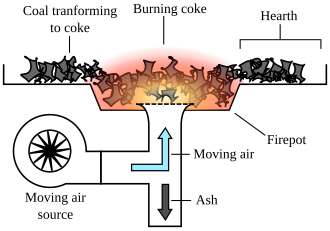
木材の乾留(酸素を遮断した加熱)は古くから行われており、これにより高品質な木炭が製造されます。また、工業規模では石炭を高熱で処理して「コークス」を製造し、製鉄などの冶金プロセスで不可欠な高温熱源として利用しています。

鍛冶屋の炉のような環境では、中心部のコークスが酸化して激しい熱を放出する一方で、周辺部では石炭が熱分解され、熱を吸収しながら炭化が進むというダイナミックな反応が起きています。
先端材料と化学製品への応用
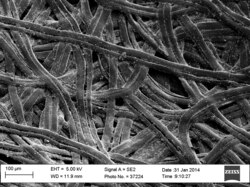
熱分解は、極めて強度の高い炭素繊維の製造にも利用されています。ポリマーなどの原料を1,500〜3,000°Cの超高温で熱分解させることで、純粋な炭素のフィラメントが形成されます。かつてのエジソンやスワンによる電球のフィラメント(竹や綿の熱分解物)もこの原理に基づいています。
また、石油由来の炭化水素を水蒸気と共に約600°Cで加熱する「スチームクラッキング」により、プラスチック原料となるエチレンが大量に生産されています。さらに、半導体分野では揮発性物質の熱分解を利用した有機金属気相成長法(MOCVD)などの高度な成膜技術に活用されています。

次世代エネルギーと環境対策
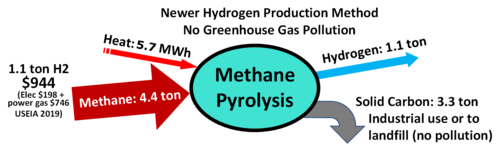
メタンの熱分解は、温室効果ガスを排出せずに水素と固体炭素を同時に得られる効率的な手法として注目されています。また、廃棄物管理の分野では、プラスチックや複合包装材を熱分解して油分を回収したり、残渣を建築用複合材料として再利用したりする試みが進んでいます。
タバコ廃棄物の処理に関する研究では、二段階の熱分解プロセスを導入し、二酸化炭素(CO₂)環境下で処理することで、有害物質であるタールを減少させ、ガスの収率を高める手法が提案されています。

工業用クリーニング(熱洗浄)
310〜540°Cの温度域で、部品に付着したポリマーやプラスチック、コーティング剤を熱分解させて揮発させる「熱洗浄」という手法があります。これにより、複雑な形状の工業部品から有機物を効率的に除去し、無機成分のみを残すことが可能です。
Frequently Asked Questions
熱分解と燃焼の決定的な違いは何ですか?
最大の違いは「酸素の有無」です。燃焼は酸素と反応して熱と光を出しながら物質を酸化させますが、熱分解は酸素がない状態で熱のみを加え、物質を化学的に分解して分離させるプロセスです。
バイオオイルとはどのような物質ですか?
高速熱分解などのプロセスで得られる液体状の生成物です。多くの有機化合物を含んでおり、精製することで燃料や化学原料として利用することが期待されています。
炭素繊維はどのようにして作られるのですか?
ポリアクリロニトリルなどの適切なポリマーを紡糸・織布した後、1,500〜3,000°Cという極めて高い温度で熱分解させることで、炭素のみの強固な繊維構造が形成されます。
熱分解によって環境負荷を減らすことはできますか?
はい。例えばメタンの熱分解では、CO₂を排出せずに水素を製造できるため、脱炭素社会への貢献が期待されています。また、廃棄プラスチックを油に還元するケミカルリサイクルとしても有効です。
熱分解で得られる「合成ガス」とは何ですか?
熱分解プロセスで発生する可燃性ガスの混合物です。主に水素や一酸化炭素などが含まれますが、熱分解ガスはタール分が多く含まれるため、そのままエンジンなどで使用するには精製が必要です。
References
- , , 5th ed. (the "Gold Book") (2025). Online version: (2006–) "Pyrolysisv". :10.1351/goldbook.P04961
- Devi, Mamta; Rawat, Sachin; Sharma, Swati (23 November 2020). "A comprehensive review of the pyrolysis process: from carbon nanomaterial synthesis to waste treatment". Oxford Open Materials Science. 1 (1) itab014. :10.1093/oxfmat/itab014.
- "What Is Pyrolysis?". . : . 31 January 2025. Retrieved 6 March 2025.
- "Burning of wood". InnoFireWood's website. Archived from the original on 9 February 2010. Retrieved 6 February 2010.
- Zhou, Hui; Long, YanQiu; Meng, AiHong; Li, QingHai; Zhang, YanGuo (August 2013). "The pyrolysis simulation of five biomass species by hemi-cellulose, cellulose and lignin based on thermogravimetric curves". Thermochimica Acta. 566: 36–43. :2013TcAc..566...36Z. :10.1016/j.tca.2013.04.040.
- Combustible Solid Waste Thermochemical Conversion. Springer Theses. 2017. :10.1007/978-981-10-3827-3. .[]
- BASF. "BASF researchers working on fundamentally new, low-carbon production processes, Methane Pyrolysis". United States Sustainability. BASF. Archived from the original on 19 October 2020. Retrieved 19 October 2020.
- Kramer, Cory A.; Loloee, Reza; Wichman, Indrek S.; Ghosh, Ruby N. (2009). "Time Resolved Measurements of Pyrolysis Products from Thermoplastic Poly-Methyl-Methacrylate (PMMA)". Volume 3: Combustion Science and Engineering. pp. 99–105. :10.1115/IMECE2009-11256. .
- Ramin, Leyla; Assadi, M. Hussein N.; Sahajwalla, Veena (November 2014). "High-density polyethylene degradation into low molecular weight gases at 1823K: An atomistic simulation". Journal of Analytical and Applied Pyrolysis. 110: 318–321. :2204.08253. :2014JAAP..110..318R. :10.1016/j.jaap.2014.09.022.
- Jones, Jim. "Mechanisms of pyrolysis" (PDF). Retrieved 19 May 2019.
📸 フォトギャラリー