タグ
アストロバイオロジー
14 件の記事
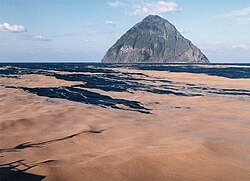
軽石ラフトの正体海を漂う火山岩の巨大な群れとその科学的意義
軽石ラフト海底火山浮遊岩生命の起源
![Stages in the origin of life process range from the well understood, such as the habitable Earth and the abiotic synthesis of simple molecules, to the largely unknown, like the derivation of the last universal common ancestor (LUCA) with its complex molecular functionalities.[1]](/images/f6/2b/f62ba0adcfb80f73d6985f762495d0cb1d504aad6ccdc4d70221d64fcf462eba.webp)
アビオジェネシス(自然発生説)から紐解く生命の起源
アビオジェネシス生命の起源化学進化RNAワールド
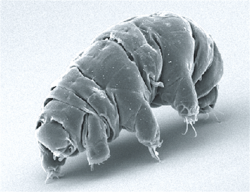
クマムシの宇宙耐性とアストロバイオロジーへの貢献
クマムシ宇宙生物学アストロバイオロジークリプトビオシス
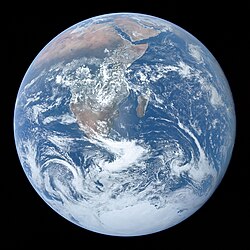
惑星の居住可能性生命を育む宇宙の条件と系外惑星の探究
惑星の居住可能性ハビタブルゾーン系外惑星アストロバイオロジー
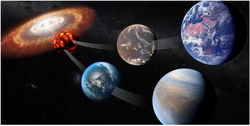
地球型惑星(アース・アナログ)の探求第二の地球を求めて
地球型惑星アース・アナログハビタブルゾーン系外惑星
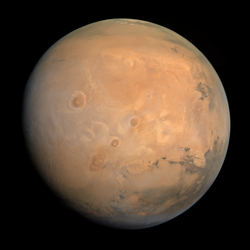
火星における生命の可能性古代の居住可能性から最新の探査まで
火星アストロバイオロジー居住可能性バイオシグネチャー
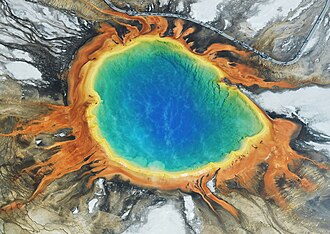
極限環境微生物(エクストリーモファイル)が明かす生命の限界と可能性
極限環境微生物エクストリーモファイル古細菌アストロバイオロジー
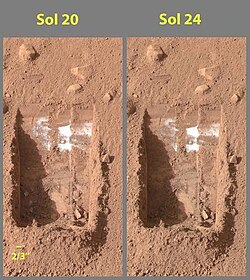
フェニックス火星着陸機北極圏の氷と生命の痕跡を追った旅
フェニックス火星着陸機NASA水氷
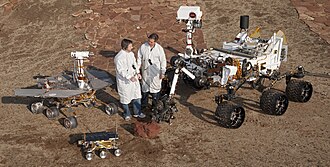
キュリオシティ火星の生命の痕跡を追うNASAの科学探査車
キュリオシティ火星探査車NASAゲールクレーター
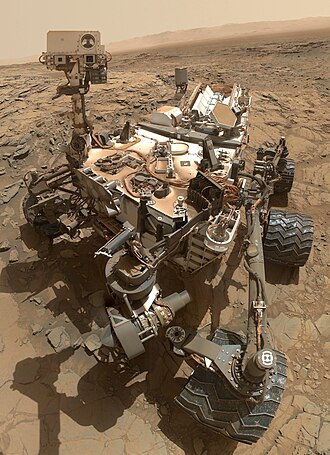
火星探査車(マーズ・ローバー)の歴史と進化赤い惑星の謎に迫るロボットたち
火星探査車NASAキュリオシティパーサヴィアランス
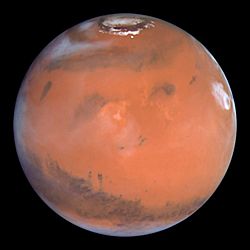
マーズ・サイエンス・ラボラトリー(MSL)火星探査車キュリオシティの軌跡
キュリオシティ火星探査車NASAマーズ・サイエンス・ラボラトリー
![False positive mechanisms for oxygen on a variety of planet scenarios. The molecules in each large rectangle represent the main contributors to a spectrum of the planet's atmosphere. The molecules circled in yellow represent the molecules that would help confirm a false positive biosignature if they were detected. Furthermore, the molecules crossed out in red would help confirm a false positive biosignature if they were not detected. Cartoon adapted from Victoria Meadows' 2018 oxygen as a biosignature study.[12]](/images/54/cf/54cfb4b52e0e74426cb0d4662d68200739b6917b07fd9c6e2697b66e334e5618.png)
バイオシグネチャー地球外生命の痕跡を特定する科学的指標
バイオシグネチャーアストロバイオロジー地球外生命体バイオマーカー